Trump’s Iran Stance: A Gamble on Uprising?
Former Special Representative to Iran, Elliot Abrams, discussed Donald Trump's potential strategy to encourage an Iranian uprising, highlighting the significant political risks and the nuanced reality of regime change. Abrams noted that while the Iranian people's discontent is evident, most experts believe an immediate overthrow is unlikely.

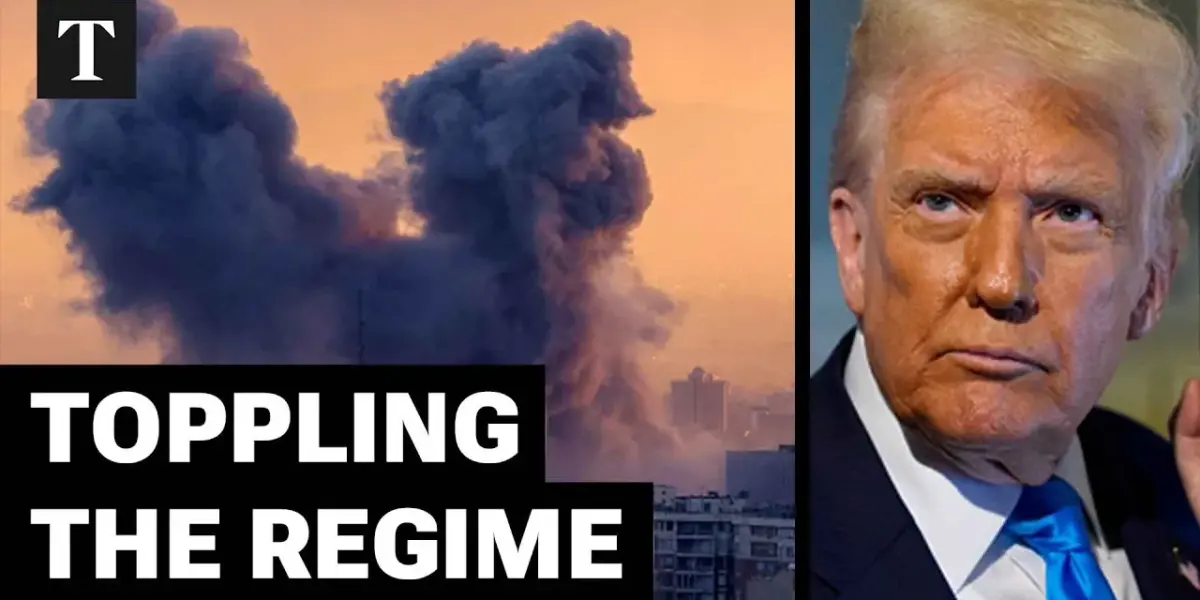
Trump’s Iran Strategy: A Gamble on Uprising?
In a recent interview, former Special Representative to Iran under the Trump administration, Elliot Abrams, discussed the complexities and potential implications of former President Donald Trump’s approach to Iran, particularly concerning the possibility of encouraging an internal uprising against the current regime. Abrams suggested that while Trump’s rhetoric might seem bold, the reality of influencing regime change in Iran is far more nuanced and carries significant risks.
Encouraging Uprisings: A Risky Proposition
Abrams reflected on past instances where Trump’s statements, such as “help is on the way” in response to Iranian protests, created expectations that the U.S. would actively intervene. He noted that such pronouncements, if not backed by immediate action, could lead to greater harm for those demonstrating. “Leaders of countries should never bluff in that way,” Abrams stated, referencing Trump’s earlier remarks.
The former diplomat elaborated on the idea that Trump’s encouragement of an uprising, especially in the context of ongoing conflict, places a responsibility on the U.S. To act if the regime responds with violence. “I would think um if there’s another massacre, he’s got a responsibility to do something about it,” Abrams said. He also highlighted a shift in Trump’s recent rhetoric, observing that the former president is now urging Iranians to “rise up and thwart your government yourself” rather than explicitly promising direct U.S. Assistance.
“The people of Iran have proved over and over again that they loathe this regime, and the regime has never been, I would I think, weaker than it’s going to be at the end of this war. So, it isn’t impossible.”
The Possibility of Regime Change
Despite the challenges, Abrams acknowledged that the possibility of an Iranian uprising is not entirely far-fetched. He pointed to the consistent evidence of widespread public discontent within Iran.
“The people of Iran have proved over and over again that they loathe this regime, and the regime has never been, I would I think, weaker than it’s going to be at the end of this war. So, it isn’t impossible,” he asserted.
However, Abrams tempered this optimism by noting that most Iran experts do not foresee an immediate overthrow. “Most of the Iran experts I know think it is not going to happen. At least not right now,” he clarified, suggesting that while an uprising is possible, its timing remains uncertain, with predictions often extending beyond the next six months to two years.
Trump’s Political Risk
Abrams underscored the considerable political risk Trump is undertaking with his public stance on Iran. Unlike previous military actions that were swift and conclusive, the current situation involves a protracted engagement with potential for significant U.S. Casualties.
“This could all go very badly. There could be an incident in which dozens and dozens and dozens of Americans are killed,” Abrams warned.
He also touched upon the potential for increased scrutiny and investigations into U.S. Actions, particularly in light of reports of civilian casualties, such as the alleged bombing of a girls’ school. Abrams expressed skepticism about the effectiveness of international bodies like the UN in influencing American public opinion or policy, stating, “Americans are not going to be interested in a UN investigation.
A UN investigation… Will not be viewed as a neutral and unbiased investigation.” He suggested that only a congressional investigation might garner attention within the U.S.
Navigating Trump’s Decision-Making
When asked about the ease of influencing Trump’s thinking, Abrams noted that while the former president’s attention span can be short, individuals who have engaged him in longer briefings have managed to capture his interest. He suggested that Trump’s engagement with the Iran issue indicates a significant level of attention paid to the matter.
The discussion also briefly touched on the internal political dynamics within Iran, with Abrams mentioning reports about the potential election of Moshaba Kami, son of the late Supreme Leader, as the new Supreme Leader. He viewed this as a sign of the regime’s declining legitimacy, likening it to the establishment of a clerical dynasty in place of the Shah’s dynasty.
Looking Ahead
The conversation leaves open the question of how the U.S., under Trump’s potential future leadership, would respond to escalating violence against an Iranian uprising. While Trump’s rhetoric signals a willingness to challenge the Iranian regime, the practicalities and potential consequences of such a policy remain a significant concern. The coming months will likely reveal whether Trump’s assertive stance translates into concrete actions or remains primarily a rhetorical strategy.
Source: Trump Could Be Persuaded To Help Iranians Topple The Regime | Former Special Representative To Iran (YouTube)

Related Articles

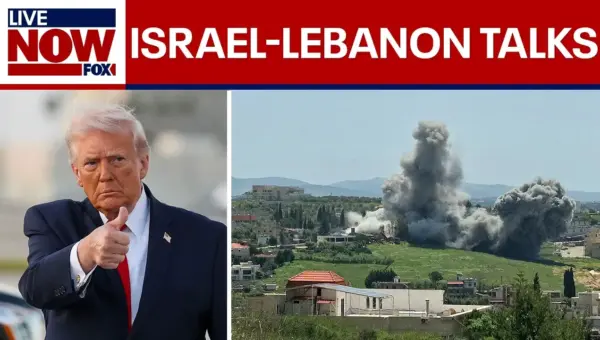
Trump: Israel-Lebanon Talks Set for Today Amid Escalating Tensions
President Trump announced that Israel-Lebanon talks are set for today amid escalating Middle East tensions. The U.S. is also increasing economic pressure on Iran, while ongoing military operations continue in southern Lebanon. Diplomatic efforts face significant challenges due to Hezbollah's influence and Iran's nuclear program.
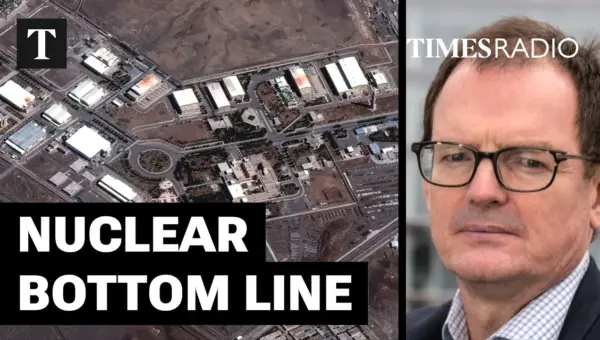
Trump Pursues Iran Nuclear Deal Differently Than Obama
The Trump administration is reportedly seeking a new nuclear deal with Iran, focusing on a total enrichment moratorium, a departure from the 2015 Obama-era agreement. Reports suggest a 20-year freeze, though specifics remain unclear amidst mixed messaging from Washington. Meanwhile, separate U.S.-brokered talks aim for a ceasefire in Lebanon, potentially impacting regional stability.

Trump’s Legal Battles Intensify Ahead of Trial
Donald Trump is facing a critical week as his first criminal trial begins in New York. The hush-money case accuses him of falsifying business records related to a payment made to Stormy Daniels during the 2016 election. This trial, along with other ongoing legal battles, could significantly shape the 2024 presidential campaign.