Starmer Presses Sunak on Iran, Economy in Fiery PMQs
Keir Starmer challenged Prime Minister Rishi Sunak during a heated Prime Minister's Questions, focusing on the UK's response to Iran tensions and the ongoing economic crisis. Political analysts dissected the exchange, assessing the leaders' performances and the strategic implications for both parties.

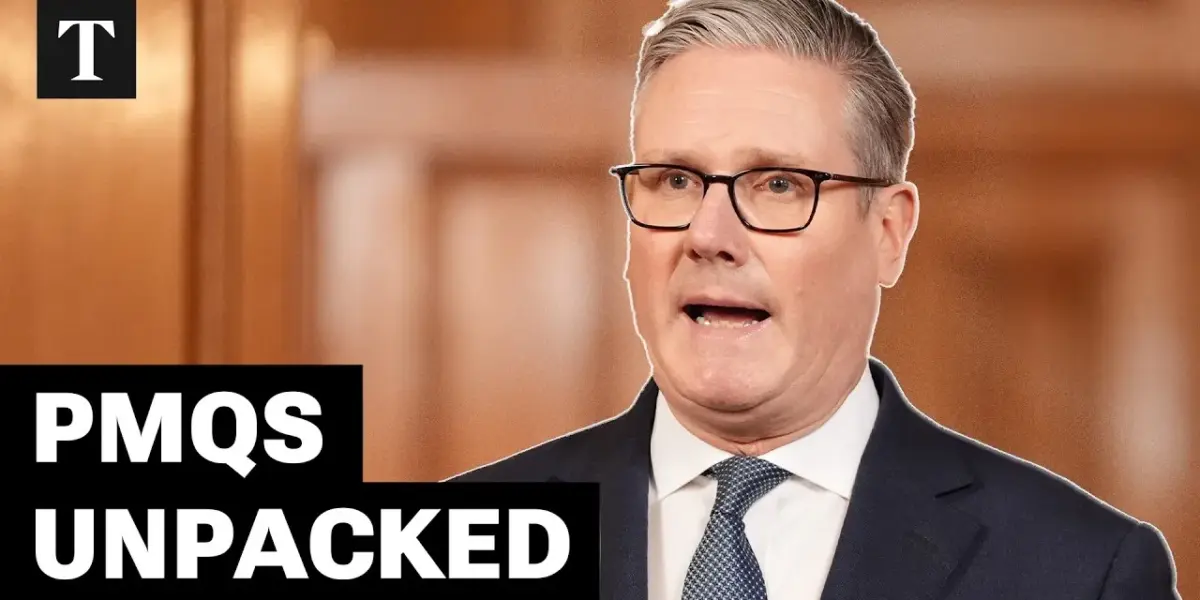
Starmer Presses Sunak on Iran, Economy in Fiery PMQs
London – In a charged session of Prime Minister’s Questions (PMQs) on Wednesday, Keir Starmer, leader of the opposition, confronted Prime Minister Rishi Sunak with pointed questions regarding the UK’s response to the escalating tensions in the Middle East, specifically the fallout from Iran’s recent actions, and the pressing domestic economic challenges. The exchange, analyzed live by political commentators Hugo Rifkind, Patrick Maguire (chief political commentator for The Times), and Tim Shipman (political editor of The Spectator), highlighted key areas of contention between the government and the opposition, revealing differing approaches to foreign policy and economic strategy.
Iran Tensions Dominate Foreign Policy Debate
The recent escalation involving Iran cast a long shadow over the proceedings, with Starmer seeking to scrutinize the government’s diplomatic and security strategy. The discussion revolved around the UK’s stance and its effectiveness in de-escalating regional conflicts and ensuring the safety of British citizens and interests. Starmer’s questioning aimed to elicit a clear articulation of the government’s policy and its perceived successes or failures in navigating the complex geopolitical landscape.
Patrick Maguire noted the strategic importance of the questions, stating, “The situation with Iran is obviously the dominant foreign policy issue of the moment, and Starmer is right to press the Prime Minister on the UK’s role and response. It’s an opportunity for him to demonstrate leadership and for Sunak to show a steady hand.”
The debate touched upon the broader implications for international stability and the UK’s position on the global stage. The commentators emphasized the delicate balance the government must strike between asserting its influence and avoiding further entanglement in a volatile region. The effectiveness of current diplomatic channels and the strength of alliances were implicitly questioned as Starmer sought to hold the government accountable for its foreign policy decisions.
Economic Woes Take Center Stage
Beyond foreign policy, the persistent economic challenges facing the nation formed another significant plank of Starmer’s interrogation. With inflation, cost of living pressures, and concerns about economic growth at the forefront of public discourse, the opposition leader pressed Sunak on the government’s plans to alleviate these burdens. Starmer’s line of questioning likely focused on specific policy proposals, economic indicators, and the perceived impact of government decisions on households and businesses across the country.
Tim Shipman commented on the dual focus of the PMQs, observing, “It’s a classic PMQs dynamic. You have the big international crisis, but underpinning everything are the domestic concerns. Starmer needs to show he understands the economic anxieties of voters, while Sunak has to project competence and a plan for recovery.”
The discussion among the analysts likely delved into the government’s fiscal policies, its approach to inflation, and its strategies for stimulating economic growth. Starmer’s aim would have been to highlight perceived shortcomings in the government’s economic management and to present the Labour party as a credible alternative with viable solutions.
Commentators Analyze Political Strategy and Performance
Hugo Rifkind, alongside Maguire and Shipman, provided real-time analysis of the political theater, dissecting the performance of both leaders. Their commentary likely focused on the effectiveness of the questioning, the substance of the answers, and the overall strategic implications for each party.
Maguire further elaborated on the political maneuvering, “These sessions are as much about performance as they are about policy. Starmer is looking to land blows and appear statesmanlike, while Sunak needs to defend his record and project confidence. The audience is watching not just what is said, but how it is said.”
The analysts would have assessed whether Starmer succeeded in holding the Prime Minister to account and whether Sunak effectively deflected criticism or offered convincing rebuttals. The broader impact on public opinion and the ongoing narrative surrounding the leadership of both parties would have been key considerations in their live unpacking of the event.
Broader Implications and Future Outlook
The PMQs session, as unpacked by the Times and Spectator journalists, offered a snapshot of the current political climate in the UK. The exchange underscored the critical issues dominating the national agenda – foreign policy challenges and economic stability – and highlighted the contrasting visions of the two main political parties.
The effectiveness of the government’s response to international crises and its ability to manage the domestic economy will undoubtedly remain under close scrutiny. For the opposition, the challenge lies in consistently holding the government to account and presenting a compelling alternative vision that resonates with the electorate.
As the political landscape continues to evolve, the focus will remain on how both the government and the opposition navigate these complex challenges. The public will be looking for clear leadership, effective policy solutions, and a demonstrable commitment to addressing the nation’s most pressing concerns. The ongoing debates at PMQs serve as a crucial indicator of the political battles to come and the direction of the country.
Source: LIVE PMQs Unpacked: Keir Starmer Faces Questions On Iran Fallout (YouTube)

Related Articles
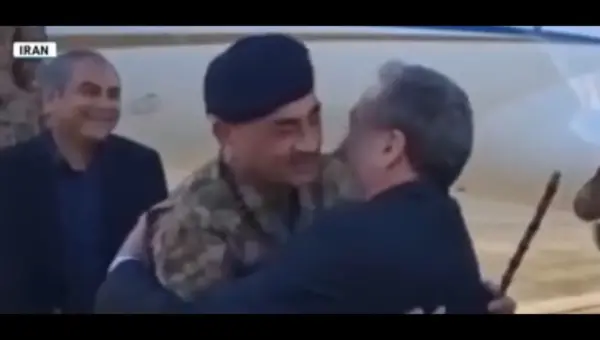
Pakistan Navigates Tehran’s Tense Diplomacy
Pakistani officials are mediating talks between Iran and the US amid rising tensions, while the US also works to calm conflict between Israel and Lebanon over Hezbollah. Israel remains militarily prepared and committed to disarming Hezbollah.
China’s Spy Satellite Aided Iran’s Attacks on US Bases
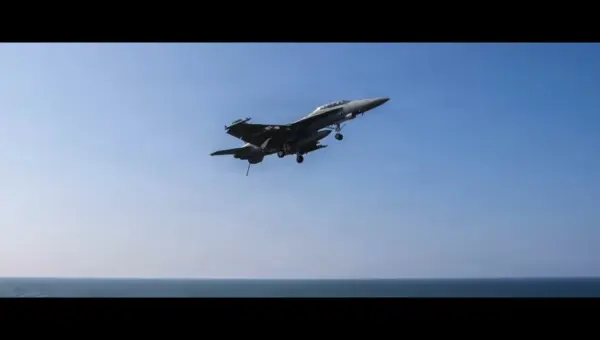
A new report reveals Iran has used a Chinese spy satellite to monitor US military bases in the Middle East, potentially aiding in recent attacks on American warplanes. Leaked documents suggest Iran purchased the satellite, which significantly outperformed its own capabilities, raising concerns about China's role in regional conflicts.
China Agrees Not to Send Weapons to Iran, Trump Claims
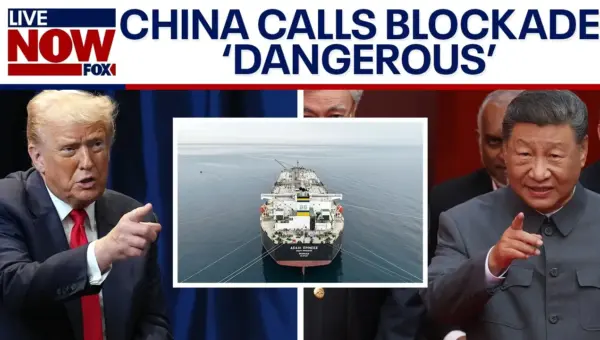
President Trump claims China has agreed to stop sending weapons to Iran, a move aimed at increasing pressure on Tehran. The U.S. is also tightening economic sanctions and enforcing a naval blockade on Iranian ports. Diplomatic talks are ongoing as a ceasefire nears its expiration.