Thune: President Has Authority for Iran Strikes, No Congress Approval Needed
Senate Majority Leader John Thune stated that President Trump has the authority for military actions against Iran without needing further approval from Congress. This stance highlights ongoing debates about presidential war powers and national security.

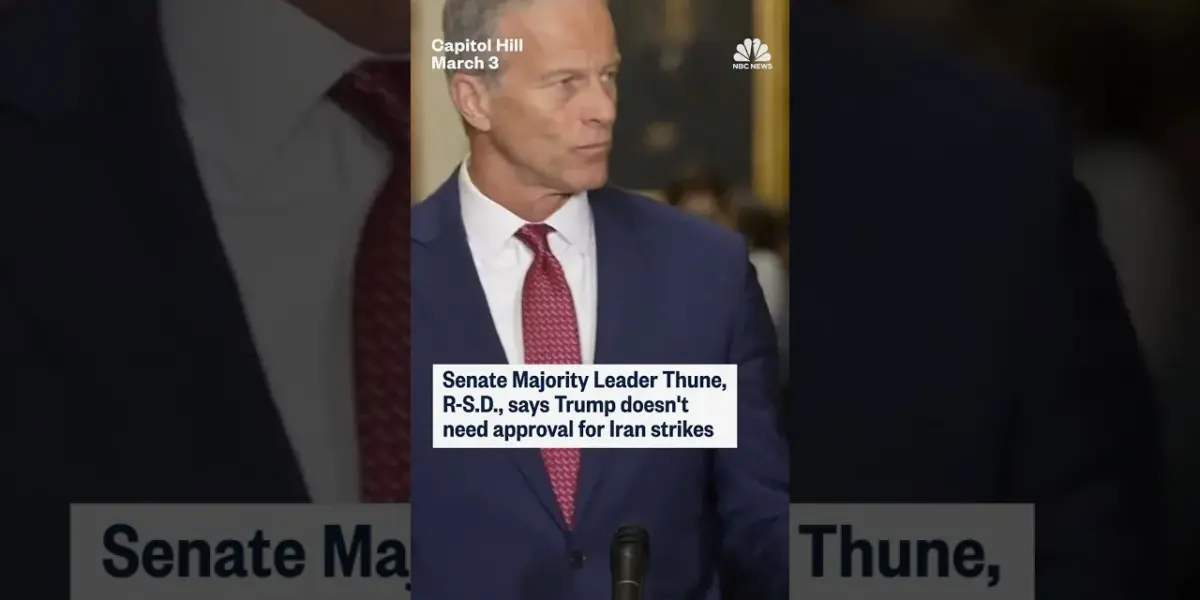
Thune Affirms Presidential Authority for Iran Military Actions
Senate Majority Leader John Thune (R-S.D.) asserted that President Trump possesses the necessary authority to conduct military operations against Iran without requiring explicit authorization from Congress. The statement comes amidst ongoing tensions in the Middle East and raises questions about the scope of presidential war powers.
War Powers Act Debate Ignored by President, Says Thune
Addressing inquiries about congressional authorization for military action exceeding the 60 or 90-day window typically associated with the War Powers Act, Senator Thune stated, “No. Um I think the president has uh the authority that he needs to um conduct uh the activities, the operations that are currently underway there.” He further elaborated on the controversy surrounding the War Powers Act, noting that he believes the President is acting “in the best interest of the nation and our national security interest by ensuring that he’s protecting Americans and American bases and installations in that region uh as well as those of our allies.”
Context of Presidential Authority and National Security
Thune’s remarks highlight a long-standing debate in the United States regarding the balance of power between the executive and legislative branches in matters of war. The War Powers Resolution of 1973, intended to curb the president’s ability to commit U.S. forces to armed conflict without congressional consent, has faced numerous challenges and interpretations over the decades. Presidents from both parties have, at various times, asserted broad executive authority to act unilaterally, particularly in situations deemed critical for national security or the protection of American lives and interests abroad.
The current geopolitical climate in the Middle East, characterized by heightened tensions with Iran, makes these discussions particularly pertinent. The potential for military engagement carries significant implications, not only for regional stability but also for the domestic political landscape and the established norms of American foreign policy. Senator Thune’s position suggests a deference to executive judgment in such high-stakes scenarios, emphasizing the president’s role as the primary defender of national security interests.
Broader Implications for Congressional Oversight
The assertion that a president does not need further congressional approval for ongoing military operations, even beyond statutory time limits, could be interpreted as a significant expansion of executive power. Critics of such a stance often argue that it undermines the constitutional role of Congress as the body empowered to declare war and to provide oversight on the use of military force. The debate touches upon fundamental questions about accountability, transparency, and the democratic control of foreign policy.
Senator Thune’s comments, while firm in their defense of presidential prerogative, do not preclude the possibility of future congressional engagement. However, they do signal a current inclination within key Republican leadership to grant the executive branch considerable latitude in responding to perceived threats from Iran. This approach may reflect a strategic decision to allow for swift and decisive action, or it could be indicative of a broader philosophical alignment on the scope of presidential authority.
Looking Ahead
As regional dynamics continue to evolve, all eyes will be on the executive branch’s actions and any potential responses from Capitol Hill. The extent to which Congress asserts its oversight role, or defers to presidential authority in national security matters concerning Iran, will be a critical development to monitor in the coming months.
Source: Senate Majority Leader Thune, R-S.D., says Trump doesn't need approval for Iran strikes (YouTube)

Related Articles

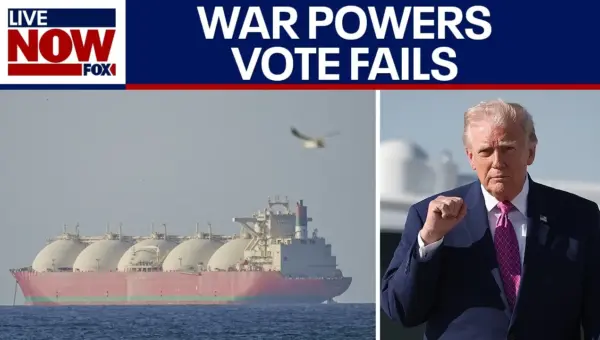
Senate Blocks Limits on Trump’s War Powers Against Iran
The U.S. Senate has voted against limiting President Trump's war powers concerning Iran, rejecting a resolution that aimed to restrict his ability to order further military strikes. Democrats have repeatedly pushed for such limitations, citing concerns over potential escalation and the cost of conflict. Despite some bipartisan unease, the measure failed to gain sufficient support.

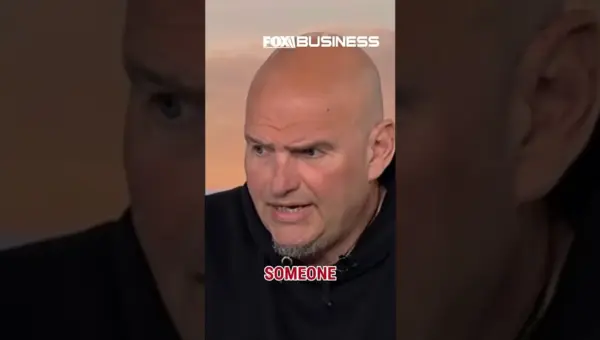
Fetterman Stands Apart: Votes Against Iran War Powers Bill
Senator John Fetterman announced he will be the sole Democrat voting against a resolution to end U.S. military action against Iran. He also plans to oppose blocking weapons for Israel, signaling a departure from his party's current direction. This move highlights potential divisions on foreign policy within the Democratic party.

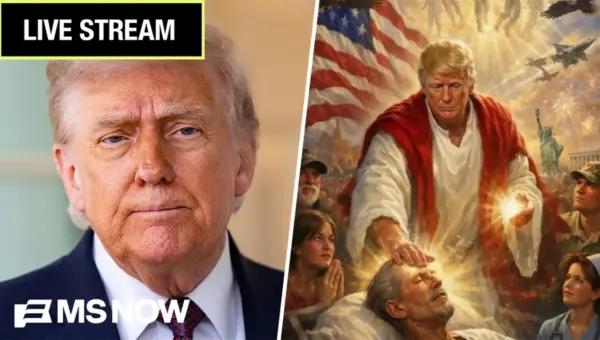
White House Briefs Amid Outcry Over Trump’s AI Jesus Image
The White House held a press briefing addressing public backlash over a controversial AI-generated image of Donald Trump as Jesus Christ. The incident highlights growing concerns about the use of artificial intelligence in political messaging and the spread of misinformation. Officials reiterated the administration's commitment to combating AI misuse and promoting transparency.