Germany Backs US on Iran Regime Change Amidst Tensions
German Chancellor Olaf Scholz met with President Donald Trump, aligning on the goal of removing the Iranian regime while not endorsing recent military actions. The visit also touched upon trade and the war in Ukraine, highlighting complex diplomatic challenges.

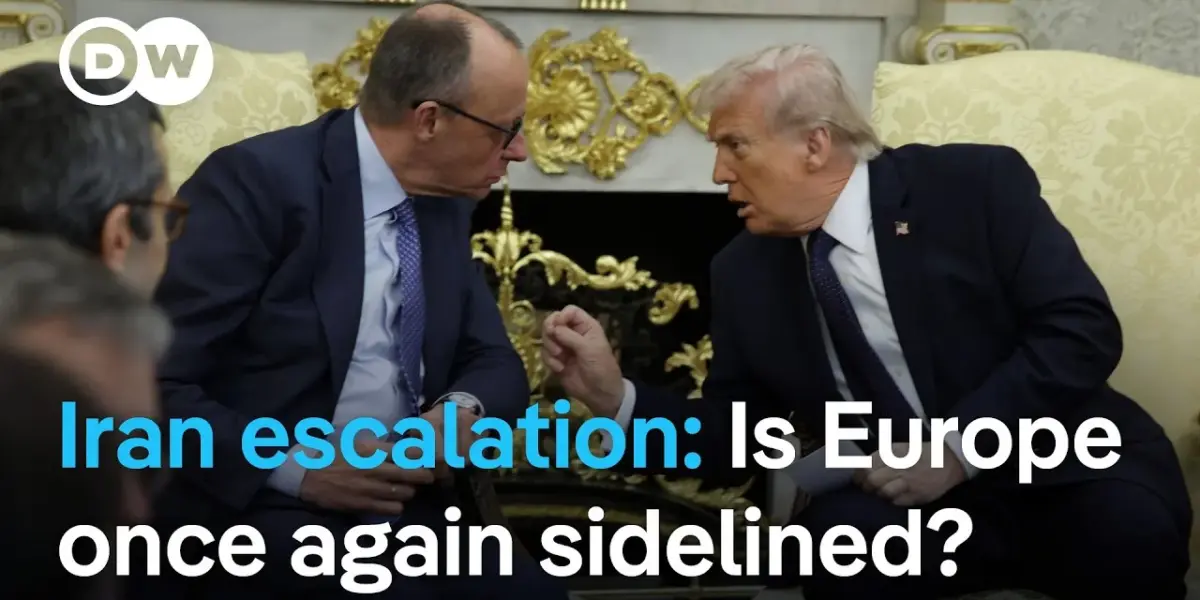
Chancellor Scholz Aligns with Trump on Iran Policy in Washington Visit
Berlin, Germany – German Chancellor Olaf Scholz met with U.S. President Donald Trump at the White House on [Date of Transcript], becoming the first foreign leader to visit since recent U.S. and Israeli actions against Iran. While Germany is not participating in the military operations, Chancellor Scholz stated that Berlin is on the “same page” as Washington regarding the desire to see the Iranian regime removed.
Trump Claims Preemptive Strike Justified
President Trump, speaking alongside Chancellor Scholz, asserted that Iran would have initiated an attack had the U.S. and Israel not acted. “It was my opinion that they were going to attack first,” Trump stated. “They were going to attack.
If we didn’t do it, they were going to attack first. I felt strongly about that.” He suggested that the U.S. Action might have “forced Israel’s hand” to prevent an imminent Iranian offensive. Trump also expressed confidence in his administration’s negotiating capabilities, although he alluded to the potential elimination of individuals previously considered for leading a post-regime Iran, a point he seemed to find somewhat humorous.
Scholz Navigates Delicate Diplomatic Balancing Act
Chancellor Scholz is walking a diplomatic tightrope, seeking to express solidarity with the U.S. and Israel without explicitly endorsing the military strikes. This nuanced approach appears to have been well-received by President Trump. “Germany and the U.S. are on the same page when it comes to getting rid of uh the uh the clerics and the regime,” Scholz remarked during the White House press conference.
DW’s Chief Political Editor, Michaela Kufner, who was present at the press conference, described the atmosphere as focused on the Iran situation. “It was quite telling that when I asked Donald Trump um what expectations expectations he has towards the Europeans, he lashed out against Spain, saying he didn’t want to do trade with Spain anymore at all,” Kufner reported.
She also noted Trump’s criticism of the UK for hesitating to allow U.S. Air base usage. Kufner emphasized Scholz’s primary goal during the visit: to gain insight into the U.S. Strategy for the post-regime era in Iran and to foster a common approach to regional stability.
Justification for Germany’s Stance
Simon Young, DW’s Senior Political Correspondent in Berlin, explained Scholz’s strategy. “I think that the the wider point is he says Matt says there’s no point in pushing back directly and criticizing the actions of President Trump uh the US and Israel because Germany doesn’t really have the strongest uh case,” Young stated.
He referenced Germany’s past efforts to achieve a negotiated settlement on Iran’s nuclear program, which have yielded limited results. “So that’s why Matz has been saying now is not the time to lecture partners and allies.” Young added that Scholz aims to avoid provoking President Trump, recalling a previous difficult meeting between Trump and former German Chancellor Angela Merkel.
Beyond Iran: Trade and Ukraine Concerns Loom
While the Iran conflict dominated the headlines, Chancellor Scholz’s agenda also included pressing concerns regarding trade and the ongoing war in Ukraine. “The sense that we got traveling with him here is that he would not leave that table, that lunch table without having addressed the very issue of Ukraine,” Kufner reported.
Germany is reportedly concerned about U.S. Pressure on Ukrainian President Volodymyr Zelenskyy to cede territory. The unresolved tariff regime between the U.S. and Europe remains a significant point of contention.
Kufner noted that Trump indicated a willingness to revisit previous trade deals, offering a glimmer of hope for Scholz regarding a potentially lopsided trade agreement that could be finalized during the visit.
Europe’s Role in U.S. Strategy
Addressing the question of Germany’s influence on U.S. Strategy, Young expressed skepticism about the possibility of significantly altering President Trump’s thinking. “It’s clear that Europe is not in the driving seat here.
This is an operation being carried out by the U.S. and Israel together,” he said. However, Young believes Scholz can effectively communicate Europe’s concerns to Trump, particularly regarding the potential economic fallout, rising oil prices, migration effects, and the risk of the conflict spreading.
Kufner added that Washington appears to view Germany’s cautious approach as sufficient support. “He praised the German chancellor as a friend and praised German contributions and I’m sure that Fish will try and avoid getting into the territory of having to contribute something to this in Iran,” she concluded.
Looking Ahead
As the situation in Iran remains volatile, attention will be on the long-term implications of the U.S. and Israeli actions and the potential for a coordinated international strategy for the region’s future. Chancellor Scholz’s visit highlights the complex diplomatic landscape, where allies must balance expressions of support with distinct national interests and concerns about regional stability and economic consequences.
Source: Merz stresses unity with Trump on Iran policy | DW News (YouTube)

Related Articles
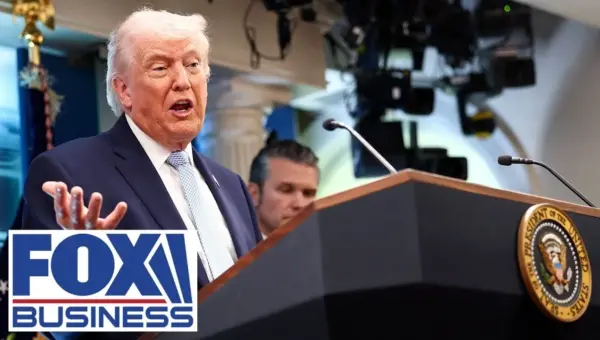
US Military Rescues Pilots Deep in Iran
U.S. forces executed a complex combat search and rescue mission deep inside Iran to retrieve two downed F-15 crew members. The operation, involving over 155 aircraft and facing heavy enemy fire, successfully brought both pilots home safely. This mission highlights the U.S. military's advanced capabilities and commitment to its personnel.
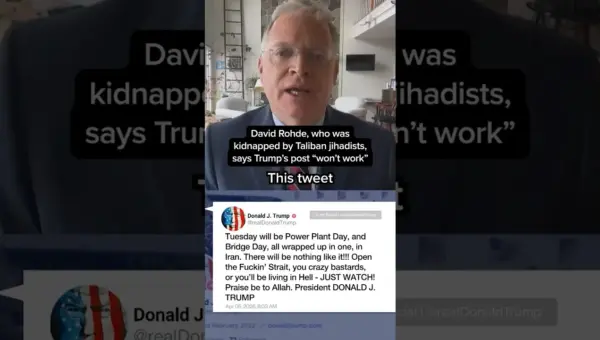
Kidnapped Reporter Slams Trump’s Iran Threat as Misguided
Journalist David Rohde, a former Taliban hostage, has criticized Donald Trump's warning to Iran about the Strait of Hormuz. Rohde stated that Trump's aggressive language shows a deep misunderstanding of Islam and the region. His comments highlight the potential pitfalls of confrontational rhetoric in complex international diplomacy.
Trump Eyes Iran Deal by Monday, Hints at Support for Protests
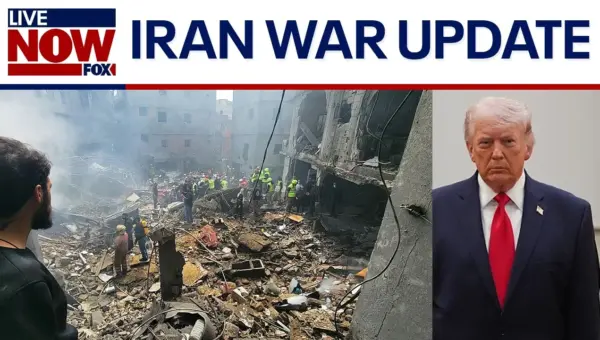
President Donald Trump believes a deal with Iran could be finalized by Monday, telling Fox News he is considering aggressive actions if an agreement isn't reached quickly. Trump also revealed that the US sent guns to Iranian protesters through Kurdish channels. He further stated that Iran's nuclear program is no longer a point of negotiation, with most issues already conceded.