Stocks Plunge as US-Iran Conflict Sparks Market Sell-Off
U.S. stock markets plummeted today as escalating tensions between the U.S. and Iran triggered widespread risk aversion. Major indices saw significant losses, with even safe-haven assets like gold and silver declining. Energy prices, particularly natural gas, surged dramatically.

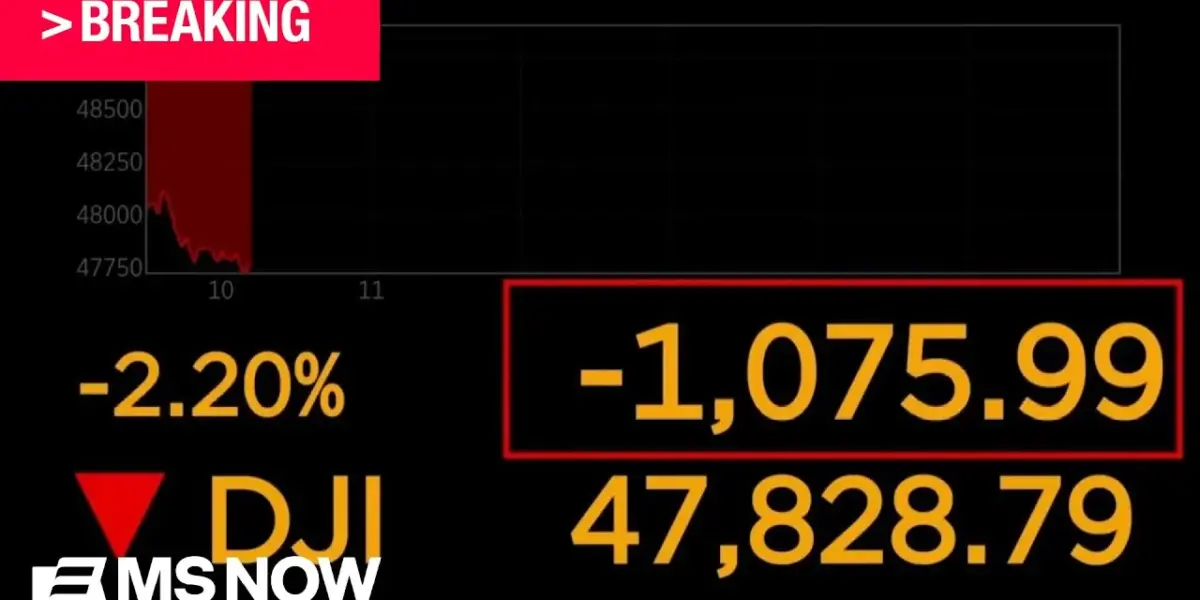
Markets Reel as Geopolitical Tensions Escalate
U.S. Stock markets experienced a dramatic downturn this morning, with major indices like the Dow Jones Industrial Average, Nasdaq Composite, and S&P 500 all registering significant losses exceeding 2%. The Dow Jones is currently on track for its worst single-day performance since April of last year, as escalating geopolitical tensions between the United States and Iran send shockwaves through global financial systems. The sell-off is characterized by a broad-based decline across all sectors of the S&P 500, indicating widespread investor anxiety and a pronounced risk aversion in the market.
Wholesale Risk Aversion Grips Investors
The current market sentiment reflects a stark contrast to the previous day’s trading. While yesterday saw initial losses, certain sectors, particularly defense contractors and companies expected to benefit from rising commodity prices, managed to find relative strength.
However, today’s trading session has seen these previously resilient stocks also fall into negative territory. This comprehensive decline suggests a deeper and more pervasive fear among investors, pushing them to divest from a wide range of assets.
“We are currently seeing every single sector in the S&P 500 negative on the day, which implies that there’s a lot more wholesale risk aversion in today’s market than there was yesterday,” stated CNBC senior markets correspondent Dominic Chu. “Defense contractors were also relative winners in yesterday’s session, but fast-forward to today, all of those company stocks are down this morning. So again, wholesale risk aversion.”
Safe Havens Fail to Offer Refuge
Adding to the market’s turmoil, even traditional safe-haven assets, typically sought by investors during times of uncertainty, are experiencing price declines. Gold and silver, which are generally viewed as hedges against risk and inflation, are both under selling pressure today. This unusual behavior in precious metals markets further highlights the depth of investor apprehension and the broad-reaching impact of the current geopolitical climate.
Oil and Natural Gas Prices Surge
The conflict has had a profound and immediate impact on energy markets. Both oil and natural gas prices have seen sharp increases.
Natural gas prices, in particular, have experienced a dramatic surge, with United Kingdom natural gas prices reportedly jumping 84% in just two days. This significant fluctuation highlights the critical role of the Strait of Hormuz, a vital chokepoint for global oil transportation, and the potential for further disruptions to energy supply chains.
Energy Market Volatility
Dominic Chu elaborated on the energy market’s reaction: “Meanwhile, we continue to see natural gas prices again soar. Some estimates show that, again, a lot of this natural gas issue coming from Qatar is going to flow through. And Ana, I’ll leave you with this.
Just since yesterday, United Kingdom natural gas prices are up 84 % in basically two days’ time. That shows you just how much of the impact is on oil and gas across the world.” The volatility in natural gas markets, especially concerning supplies from regions like Qatar, signals potential ripple effects across global energy infrastructure and pricing.
Broader Economic Implications
The current market downturn and the spike in energy prices carry significant implications for the broader economy. Rising oil and gas costs can fuel inflation, increase transportation expenses for businesses, and reduce consumer spending power.
The wholesale risk aversion observed in the stock market could lead to decreased investment, slower economic growth, and potential job losses if the uncertainty persists. The interconnectedness of global markets means that a conflict in the Middle East can quickly translate into economic instability worldwide.
What to Watch Next
Investors and analysts will be closely monitoring the developments in the U.S.-Iran conflict and its subsequent impact on global energy supplies. The stability of oil and natural gas prices, the response of central banks to potential inflation, and the overall sentiment of risk aversion in the markets will be key indicators to watch in the coming days and weeks. Any further escalation or de-escalation of the geopolitical situation could lead to significant shifts in market behavior.
Source: BREAKING: Dow heads for worst day since April 2025 as U.S.-Iran conflict deepens (YouTube)

Related Articles


CIA Boasts Iran Humiliated by Audacious Airman Rescue
The CIA claims it executed a deception campaign that left Iran "embarrassed and humiliated" after successfully rescuing a U.S. airman. The mission involved locating the airman, confirming survival, and safely exfiltrating them under the noses of Iranian forces.


Trump Warns Iran: “Entire Country Can Be Taken Out”
Former President Donald Trump issued a strong warning to Iran, stating the entire country could be taken out in one night. The declaration followed the crash of an American F-15 jet in Iranian territory and the successful rescue of its crew. This geopolitical tension could influence market sentiment and specific industry sectors.


US Air Force Conducts Daring Rescue of F-15E WSO in Iran
U.S. special operations forces conducted a daring rescue of a downed F-15E WSO deep within Iran's Zagros Mountains. The mission involved elite units, advanced aircraft, and the destruction of U.S. assets to prevent capture. The operation highlights U.S. capabilities amid heightened tensions with Iran.