Geopolitical Tensions Spike: Bitcoin and Oil Surge Amid Strait of Hormuz Fears
Geopolitical tensions surrounding the Strait of Hormuz have sent oil prices soaring and the U.S. dollar strengthening. Bitcoin has seen a rally, supported by U.S. spot demand, but faces headwinds from macro uncertainty. Markets are watching closely for potential escalation and a broader economic fallout.


Global Markets on Edge as Geopolitical Tensions Escalate
The global financial landscape is experiencing heightened volatility as escalating geopolitical tensions, particularly the ongoing conflict between Iran and Israel, cast a long shadow. Reports of a potential closure of the Strait of Hormuz, a critical chokepoint for global oil supply, have sent shockwaves through energy markets, driving crude oil prices upward and strengthening the U.S. dollar.
In this uncertain environment, Bitcoin has seen a notable rally, supported by consistent demand from U.S. Spot markets. However, the broader macroeconomic anxieties are currently acting as a ceiling, preventing a more significant breakout for the flagship cryptocurrency.
Oil Prices Climb, Dollar Strengthens on Supply Fears
The Strait of Hormuz, through which approximately 20% of global oil consumption passes, is a vital artery for international energy trade. Any disruption to this waterway carries significant implications for global supply chains and inflation.
The mere threat of its closure has been enough to ignite fears of supply shortages, pushing oil prices higher. Simultaneously, the U.S. dollar has benefited from its traditional role as a safe-haven asset during times of geopolitical uncertainty, attracting capital flows away from riskier investments.
Bitcoin’s Resilience Amidst Macroeconomic Headwinds
While traditional markets grapple with rising energy costs and a strengthening dollar, Bitcoin has demonstrated a degree of resilience. The cryptocurrency has managed to climb, buoyed by steady buying pressure in the U.S. Spot market.
This consistent demand suggests that, despite the broader risk-off sentiment, there are still significant players accumulating Bitcoin. However, the prevailing macroeconomic tensions are proving to be a significant headwind, limiting Bitcoin’s ability to achieve a strong, sustained breakout above key resistance levels.
Market Sentiment and the Risk of Broader Sell-off
The current market environment is characterized by fragile risk sentiment. Investors are closely monitoring the developments in the Middle East and their potential to trigger a wider economic fallout. Rising energy prices can contribute to inflationary pressures, forcing central banks to reconsider their monetary policy stances, potentially leading to higher interest rates or a slower pace of rate cuts.
Such a scenario could further dampen investor appetite for risk assets, including cryptocurrencies. The market is on high alert, assessing whether the current geopolitical instability will escalate into a more comprehensive global market sell-off.
Understanding the Dynamics: Oil, Dollar, and Bitcoin
The interplay between oil prices, the U.S. dollar, and Bitcoin is crucial to understanding the current market dynamics. Historically, rising oil prices have often been associated with increased inflation and, consequently, a stronger dollar as investors seek safety. Bitcoin, often dubbed ‘digital gold,’ has been increasingly viewed as a potential inflation hedge and a store of value.
However, its correlation with risk assets like technology stocks means it can also be susceptible to broader market downturns driven by fear and uncertainty. The current situation presents a complex scenario where Bitcoin’s safe-haven narrative is being tested against its correlation with risk assets amidst rising commodity prices and dollar strength.
The Path Forward: Monitoring Geopolitical and Economic Indicators
As the situation unfolds, market participants will be keenly observing geopolitical developments and key economic indicators. The trajectory of the Iran-Israel conflict, any official statements regarding the Strait of Hormuz, and subsequent movements in oil prices will be critical.
Inflation data, central bank commentary, and the overall health of the global economy will play a significant role in shaping market sentiment and influencing investment decisions. For Bitcoin and the broader cryptocurrency market, the ability to navigate these macroeconomic headwinds and maintain demand will be key to its performance in the coming weeks and months.
Source: Strait of Hormuz CLOSED: Is This The Start Of A Global Market Fallout? (YouTube)

Related Articles

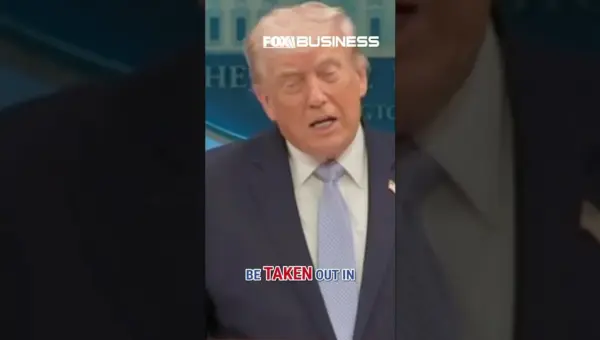
Trump Warns Iran: “Entire Country Can Be Taken Out”
Former President Donald Trump issued a strong warning to Iran, stating the entire country could be taken out in one night. The declaration followed the crash of an American F-15 jet in Iranian territory and the successful rescue of its crew. This geopolitical tension could influence market sentiment and specific industry sectors.


US Air Force Conducts Daring Rescue of F-15E WSO in Iran
U.S. special operations forces conducted a daring rescue of a downed F-15E WSO deep within Iran's Zagros Mountains. The mission involved elite units, advanced aircraft, and the destruction of U.S. assets to prevent capture. The operation highlights U.S. capabilities amid heightened tensions with Iran.


Trump Team Ignites Global Policy Chaos
The Trump administration's foreign policy is marked by a disregard for experienced advisors and a reliance on loyalists. This approach risks repeating past mistakes and creating global instability. Allies are questioning U.S. reliability, while adversaries may see opportunities.