Iran Strikes Gulf States, London Insurance Market Faces Crisis
Iran's escalating strikes on Gulf states, including a major hit on a Saudi oil refinery, have sent oil prices soaring and triggered a severe crisis in London's insurance market. The geopolitical turmoil is raising questions about the shifting justifications for U.S. military actions and the complex internal dynamics within Iran.

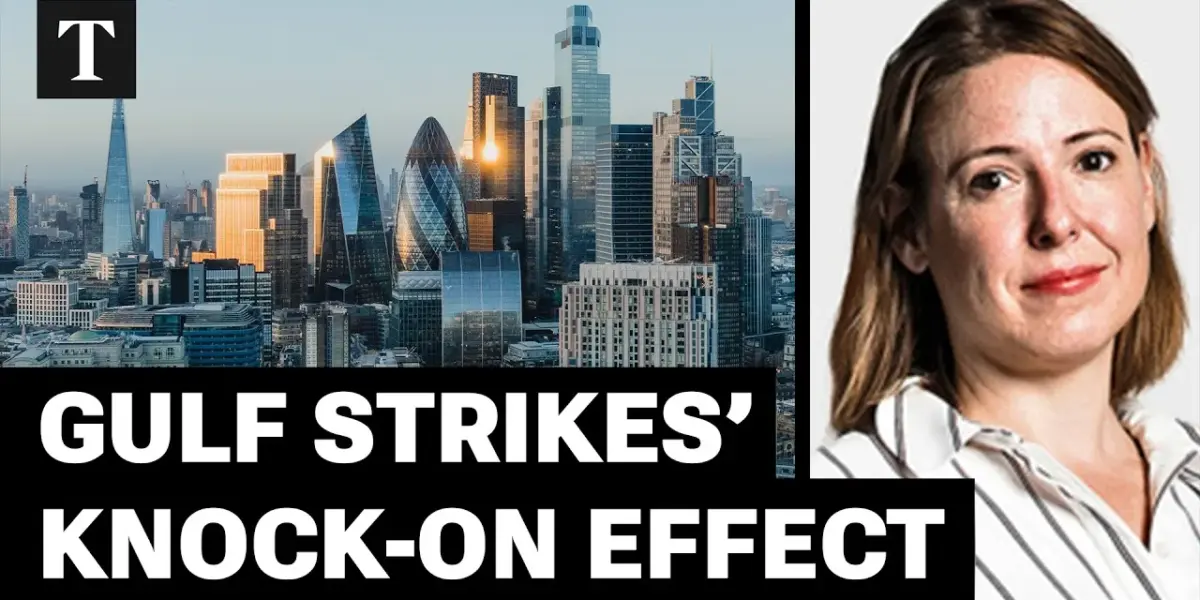
Iran’s Escalating Strikes Trigger Global Economic Fallout
In a significant escalation of regional tensions, Iran has launched a series of heavy strikes targeting neighboring Gulf states, including a major assault on Saudi Arabia’s largest oil refinery. The attacks, which appear to be a direct response to recent military actions, have sent shockwaves through the global economy, most notably triggering a severe crisis in London’s insurance market. The escalating conflict raises profound questions about the justifications for military intervention and the potential for wider instability.
Insurance Market Grinds to a Halt
The ramifications of Iran’s retaliatory actions are being felt acutely in the financial heart of London. Reports indicate that the Lloyd’s of London insurance market is facing an “enormous crisis” as insurers become unwilling to provide coverage for ships traversing the vital shipping lanes of the Gulf.
This inability to secure insurance effectively halts maritime trade through the region, a critical artery for global commerce, particularly for oil and gas. The paralysis in the insurance sector highlights the tangible economic consequences of the geopolitical turmoil, demonstrating how regional conflicts can rapidly destabilize international markets.
Shifting Justifications for Military Action
The military engagements come amid evolving justifications from the Trump administration regarding its actions in Iran. Initially framed around an “imminent threat,” the rationale has seen shifts in emphasis, leading to confusion and scrutiny. World Affairs Editor Catherine Philp noted the “shifting sounds” of the administration’s explanations, highlighting a lack of consistent messaging.
“We’re still seeing extraordinary fight back from Iran in terms of um hitting the the neighboring Gulf states… Focusing it on on places like Dubai um Bahrain. Uh we saw overnight uh a hit on as Saudi Saudi Arabia’s biggest oil refinery.
Uh that’s another dimension. The price of oil is now rocketing.”
Philp also pointed to comments made by Senator Marco Rubio, who suggested that Israel was on the verge of striking Iran, implying that the United States felt compelled to intervene to protect American personnel. This assertion, if accurate, raises concerns about the extent to which U.S. Foreign policy is being driven by the interests of allies, a point that has drawn criticism from both sides of the political spectrum in Washington.
Divergent Objectives Between Allies
The differing objectives between the United States and Israel in their approach to Iran have become increasingly apparent. While the Trump administration has shifted its justifications, Philp suggests that the two nations did not enter the conflict with identical goals.
This divergence could complicate diplomatic efforts and create friction within the alliance. The perception of being overly aligned with Israeli interests has proven politically sensitive in the past, as evidenced by criticisms leveled against the Biden administration during its electoral campaign.
Internal Iranian Dynamics and Prospects for Change
The question of internal opposition within Iran and the potential for regime change remains complex. While some have suggested that external military action could galvanize popular dissent, Philp expresses skepticism.
She argues that the recent military strikes are unlikely to sway the opinions of Iranians, who are largely already entrenched in their pro- or anti-regime stances. The Revolutionary Guard’s tight monopoly on arms and the state’s capacity for repression present formidable obstacles to any popular uprising.
“I think that the uh the revolutionary guard have too much to lose. They’ve got bloody hands and we’ll stand together. Uh I I think I think we could see a much more securitized Iran.”
Philp also critically noted that discussions about potential internal change often overlook the “brutal repression and massacres” that have occurred within Iran, leaving the nation deeply traumatized. The current military actions, she contends, do little to address the fundamental issue: the lack of means for the Iranian populace to effect change, given the state’s control over weaponry.
Skepticism Over Justifications and Future Trajectory
The justifications for the recent military actions have drawn considerable skepticism. Critics point out that the alleged threats cited by the Trump administration were present months, if not years, prior, questioning the immediacy of the decision. The concept of “imminent threat” carries significant weight in international law, requiring provable specificity.
There is a prevailing sentiment that the actions may have been influenced by Israel’s desire for instability in Iran and a perceived obligation by President Trump to his domestic supporters. The unpredictable nature of President Trump’s foreign policy, his disregard for alliances, and the lack of a clear post-conflict strategy have been noted, with reports suggesting he believed supporting the strikes was a means of appeasing certain voter demographics.
Looking Ahead
As the situation continues to unfold, the international community will be closely watching the economic repercussions, particularly the stability of the London insurance market and global oil prices. Diplomatic efforts to de-escalate the conflict and clarify the strategic objectives of all parties involved will be crucial. The internal political landscape of Iran and the long-term implications of both domestic repression and external military pressure will remain key areas of focus.
Source: Iran Striking Gulf States Causes Insurance Crisis In London | Catherine Philp (YouTube)

Related Articles
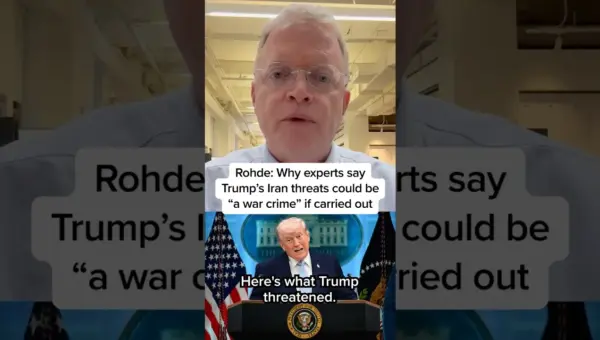
Trump’s Iran Threats Could Be War Crimes, Experts Warn
Legal experts warn that former President Donald Trump's threats to destroy Iranian bridges and power plants could constitute war crimes if carried out. Such actions would violate international laws designed to protect civilians and limit wartime destruction. The potential impact on Iran's civilian population and the U.S.'s global standing are significant concerns.
Wallace Slams Trump’s ‘Erratic’ Iran War Conference
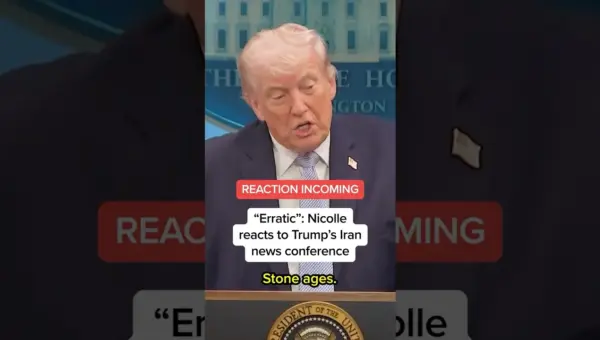
Nicolle Wallace has strongly criticized former President Donald Trump's recent press conference on Iran, labeling his remarks as "erratic." Trump reiterated his threats to target Iranian power plants, a statement Wallace found alarming due to its potential to escalate tensions. The analysis highlights concerns about Trump's foreign policy style and its impact on international relations.
Trump’s Iran Deadline Looms: Is the US President Bluffing?
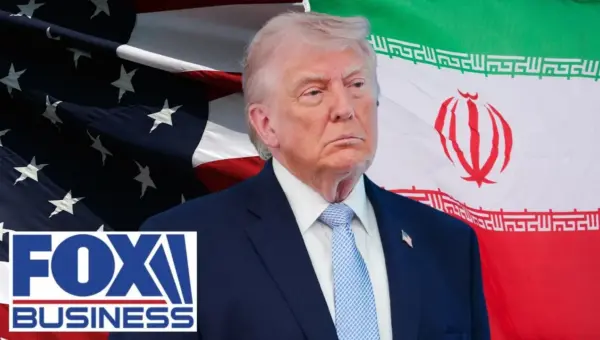
President Trump has issued a stern deadline to Iran, warning of severe consequences if demands aren't met. Analyst Zineb Riboua believes the President is serious and not bluffing, citing Iran's strategic miscalculations and overestimation of its own capabilities. The Strait of Hormuz remains a key flashpoint with potential global market impacts.