US Strikes Iran Amid Shifting Rationale and Unclear Objectives
The U.S. is intensifying military strikes against Iran, with evolving justifications from the administration regarding imminent threats. Conflicting reports and statements raise questions about the intelligence behind the actions and the long-term objectives, as American casualties mount.

US Escalates Military Action Against Iran, Citing Imminent Threats
The United States has intensified its military operations targeting Iran, with ongoing strikes aimed at countering what the administration describes as imminent threats to American assets and allies in the Middle East. The escalating tensions were underscored by a drone attack on the U.S. Embassy in Riyadh, Saudi Arabia, which caused a fire and significant damage, according to the Saudi Ministry of Defense.
Simultaneously, exchanges of fire between Israel and Iran-backed Hezbollah in Lebanon persist, further destabilizing the region. The human cost of this conflict is mounting, with the U.S. military announcing the death of a sixth service member in action.
Shifting Justifications for U.S. Strikes Emerge
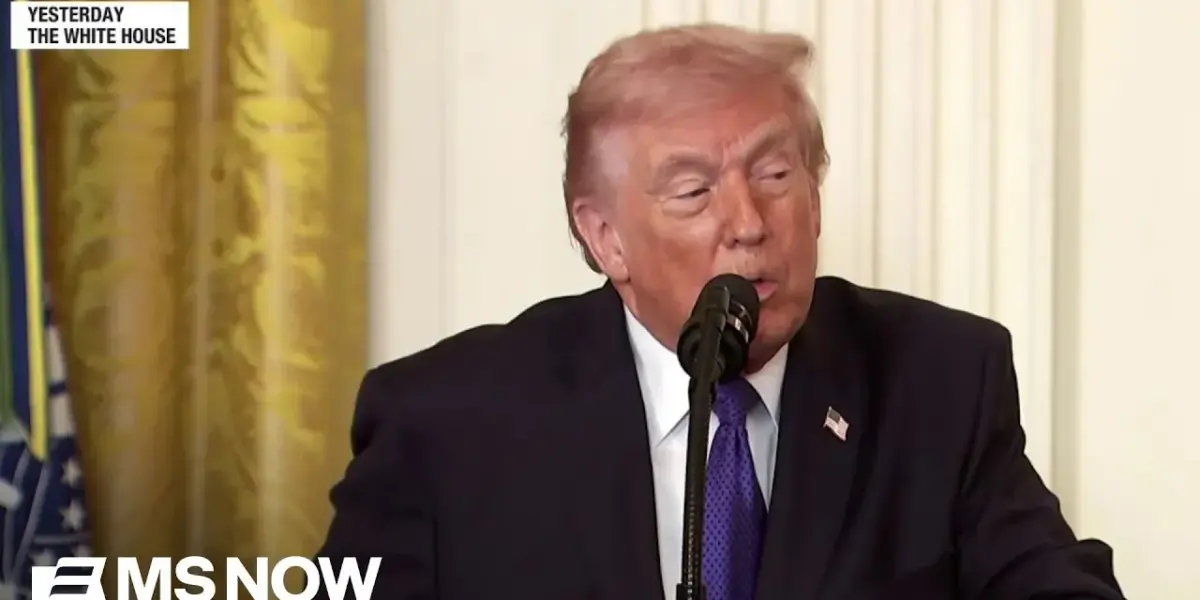
President Donald Trump, speaking at a White House medal of honor ceremony, indicated that the military campaign against Iran is ahead of schedule but suggested it could extend for a month or longer. He emphasized the strength of the U.S. military, stating, “We have the strongest and most powerful by far military in the world, and we will easily prevail.” However, the rationale behind the initial U.S. Strikes has been a subject of evolving explanations from the administration.
Secretary of State Marco Rubio, addressing reporters on Capitol Hill, framed the military operation as a proactive and defensive measure. He argued that Tehran would have retaliated against U.S. troops had Israel initiated attacks on Iran. House Speaker Mike Johnson echoed this sentiment, asserting, “There absolutely was an imminent threat, and the imminent threat was that we knew that if Iran was attacked, and we believe they would be attacked, that they would immediately come after us.” The administration’s position is that waiting to respond after being attacked would have resulted in greater U.S. Casualties.
“We went proactively in a defensive way to prevent them from inflicting higher damage,” Secretary Rubio stated. “Had we not done so, there would have been hearings on Capitol Hill about how we knew that this was going to happen and we didn’t act preemptively to prevent more casualties and more loss of life.” The Department of War’s assessment, based on intelligence, suggested that an Israeli action against Iran would have triggered an immediate Iranian retaliation against U.S. Personnel and assets, posing a significant risk to American troops and citizens in the region.
Contradictory Intelligence and International Scrutiny
However, this narrative appears to contradict earlier reporting from Reuters, which cited sources familiar with closed-door congressional briefings indicating that U.S. officials acknowledged a lack of intelligence suggesting Iran planned to attack U.S. forces first. Iran’s Foreign Minister responded directly to Secretary Rubio’s comments on social media, stating, “he, quote, admitted what we all knew.
The U.S. has entered a war of choice on behalf of Israel. There was never any so-called Iranian threat.”
National security reporter Alex Ward of The Wall Street Journal highlighted the inconsistencies, noting that the intelligence initially presented suggested Iran was planning a preemptive attack on the U.S. Regardless of Israeli actions. Ward described a “cacophony of ideas” as to the reasons for the U.S. Engagement with Iran, including unfulfilled nuclear deal expectations and decades of alleged Iranian aggression. Despite these shifting rationales, the administration’s pivot towards a defensive posture is seen by some as an effort to align with a domestic base that opposes new wars.
Ambiguous End Game and Potential for Regime Change
A significant question remains regarding the ultimate objectives of the U.S. military campaign. When asked about the administration’s definition of success in Iran, sources suggest there is a lack of clarity, with President Trump himself articulating multiple, sometimes contradictory, goals in public statements. These range from achieving a swift deal to potential long-term engagement, including the possibility of supporting an alternative leadership in Iran.
The administration’s strategy appears to involve creating space for internal change by targeting leaders like Qassem Soleimani, with the hope that the Iranian people will then take control of their government. President Trump has also alluded to a desire for a leadership transition, drawing parallels to the situation in Venezuela, although the comparison is debated. The killing of key figures, even if not explicitly stated as regime change, effectively alters the existing power structure.
The possibility of ethnic or regional forces, such as Kurdish separatists, playing a role in a post-regime transition is also being considered, especially in light of Israeli actions in certain Iranian regions. “We’re in the territory of anything is possible here. That’s speculation, but just somewhat informed speculation based on what I’m seeing,” Ward commented, highlighting the uncertain and fluid nature of the situation on the ground.
Calls for Transparency Amidst Mounting Casualties
As the conflict deepens and American service members continue to be killed in action, there are increasing demands for transparency and a clear explanation of the administration’s endgame. Defense Secretary Pete Hegseth’s remarks have emphasized the need for the American public to understand the reasons behind the mounting death toll and the ultimate objectives of the U.S. Involvement. With lawmakers returning to Washington, further scrutiny and debate over the U.S. Strategy in Iran are expected.
Source: U.S. Continues strikes targeting Iran (YouTube)

Related Articles

Trump Warns Iran: “Entire Country Can Be Taken Out”
Former President Donald Trump issued a strong warning to Iran, stating the entire country could be taken out in one night. The declaration followed the crash of an American F-15 jet in Iranian territory and the successful rescue of its crew. This geopolitical tension could influence market sentiment and specific industry sectors.

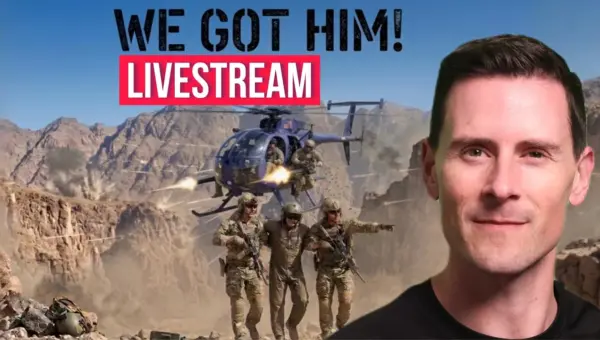
US Air Force Conducts Daring Rescue of F-15E WSO in Iran
U.S. special operations forces conducted a daring rescue of a downed F-15E WSO deep within Iran's Zagros Mountains. The mission involved elite units, advanced aircraft, and the destruction of U.S. assets to prevent capture. The operation highlights U.S. capabilities amid heightened tensions with Iran.


Trump Team Ignites Global Policy Chaos
The Trump administration's foreign policy is marked by a disregard for experienced advisors and a reliance on loyalists. This approach risks repeating past mistakes and creating global instability. Allies are questioning U.S. reliability, while adversaries may see opportunities.