US War Aims in Iran Conflict Mired in Mixed Messaging
Conflicting signals from Washington regarding US objectives in the conflict with Iran are creating significant uncertainty, leaving allies and observers questioning the ultimate goals of American military engagement. Analysts and journalists highlighted the pervasive confusion, stressing the need for clear communication to avoid miscalculations and de-escalate regional tensions.

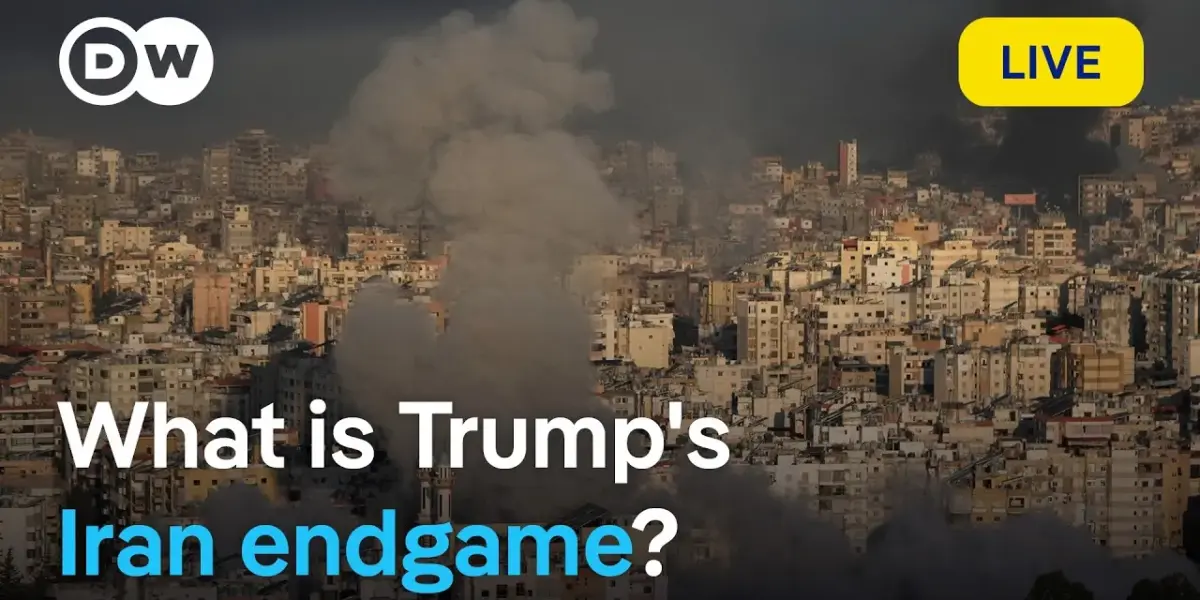
US War Aims in Iran Conflict Mired in Mixed Messaging
Berlin/Beirut – Conflicting signals emanating from Washington regarding the United States’ objectives in the ongoing conflict with Iran have created significant uncertainty, leaving allies and observers questioning the ultimate goals of American military engagement. A recent livestream discussion hosted by DW News, featuring insights from journalists in Berlin and Beirut, highlighted the pervasive confusion surrounding the US strategy, particularly in the context of escalating regional tensions.
Disparate Declarations from Washington
The core of the confusion lies in the seemingly contradictory statements made by various US officials. While some voices in the administration have emphasized a desire to de-escalate and avoid a wider conflict, others have adopted a more hawkish tone, suggesting a willingness to engage militarily to achieve specific objectives. This lack of a unified message creates a challenging environment for diplomatic efforts and potentially emboldens adversaries who may seek to exploit perceived divisions.
“There’s a significant disconnect between what we’re hearing from the White House and what we’re seeing on the ground, or what is being discussed in the halls of power,” noted one analyst during the DW News discussion. “This ambiguity is not conducive to a stable regional environment.”
Regional Perspectives on US Intentions
Journalists on the ground in Beirut offered a critical perspective on how these mixed messages are perceived in the Middle East. The region, already volatile, is highly attuned to shifts in American policy. The lack of clarity from Washington fuels suspicion and can lead to miscalculations by regional actors, potentially increasing the risk of unintended escalation.
“In Beirut, there’s a deep-seated skepticism about overt American intentions,” reported a DW correspondent. “When statements from Washington are inconsistent, it feeds into existing narratives of American unreliability or hidden agendas. This makes it difficult for regional players to gauge the true US stance and plan accordingly.”
The discussion also touched upon the potential impact of these mixed signals on international alliances. Allies of the United States, who often rely on clear communication and predictable policy to coordinate security strategies, are left in a state of apprehension. This uncertainty can strain relationships and undermine collective security efforts.
The Role of Information and Diplomacy
The livestream emphasized the critical role of clear communication in managing international crises. When war aims are ambiguous, it becomes harder to build consensus, secure international support, and achieve lasting peace. The absence of a coherent narrative from the US administration regarding its objectives in the conflict with Iran leaves a vacuum that can be filled by speculation, propaganda, and heightened mistrust.
“Clear articulation of goals is paramount, not just for domestic audiences but for international partners and adversaries alike,” stated a panelist. “Without it, the risk of misinterpretation and inadvertent conflict rises dramatically.”
Broader Implications for Regional Stability
The implications of this messaging ambiguity extend beyond the immediate conflict. A lack of clear US objectives can destabilize an already fragile region, potentially encouraging proxy conflicts and emboldening extremist groups. The perception of American indecisiveness or internal division can also affect the broader geopolitical landscape, influencing the calculations of other global powers.
The discussion highlighted that a consistent and transparent approach from Washington is crucial for de-escalation, fostering trust, and ultimately achieving a stable resolution. The current state of mixed messaging, conversely, risks prolonging the conflict and exacerbating regional instability.
Looking Ahead: The Need for Clarity
As the situation continues to evolve, the international community will be closely watching for a more unified and coherent message from the United States regarding its war aims in the conflict with Iran. The ability of Washington to articulate clear objectives and demonstrate a consistent strategy will be critical in navigating the complex geopolitical landscape and working towards a peaceful resolution. The coming weeks and months will likely reveal whether the US administration can overcome its internal communication challenges and present a united front on this crucial foreign policy issue.
Source: Livestream: Mixed messaging from Washington leave Iran war aims unclear | DW News (YouTube)

Related Articles


Global Powers Clash Over ‘Western Civ’ Definition
A debate over what defines "Western civilization" is quietly reshaping international discussions, with differing views from figures like Marco Rubio contrasting with liberal interpretations emphasizing openness and tolerance. This ideological divide influences how nations interact and could lead to a more fragmented or cooperative global order depending on which definition prevails.
Trump Eyes Iran Deal by Monday, Hints at Support for Protests
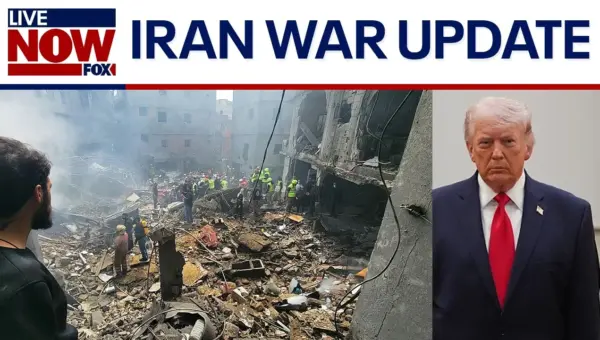
President Donald Trump believes a deal with Iran could be finalized by Monday, telling Fox News he is considering aggressive actions if an agreement isn't reached quickly. Trump also revealed that the US sent guns to Iranian protesters through Kurdish channels. He further stated that Iran's nuclear program is no longer a point of negotiation, with most issues already conceded.

Iran’s ‘Win by Not Losing’ Strategy in Middle East Conflict
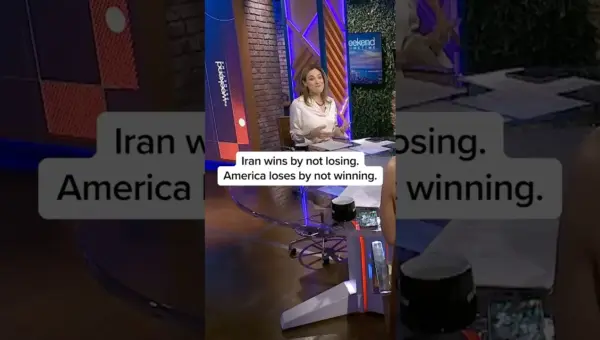
Iran is employing a "win by not losing" strategy in the ongoing Middle East conflict, avoiding direct confrontation while preventing decisive defeats. This approach contrasts with US aims for clear victories, leading to a prolonged and devastating war with no end in sight. The human cost for civilians remains a primary concern as the conflict continues.