Trump’s Iran Gambit Backfires, Exposing Hypocrisy
Donald Trump's recent military actions against Iran have ignited controversy, exposing a stark hypocrisy in Republican responses to American casualties and a betrayal of his own anti-war promises. The piece delves into the legal questions surrounding executive war-making and the erosion of public trust.

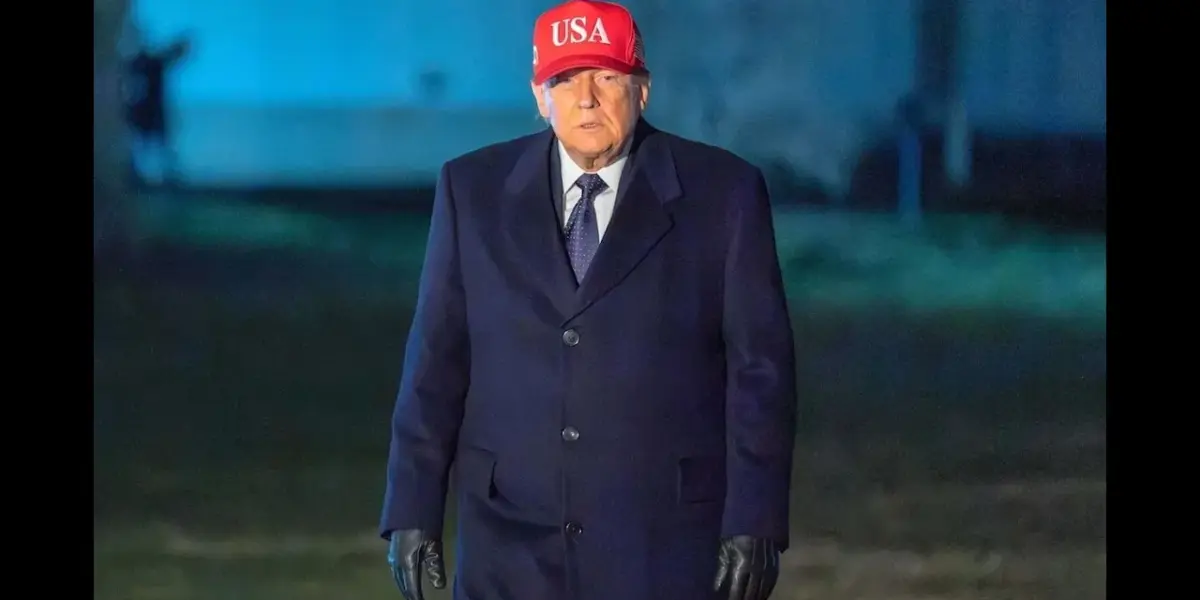
Trump’s Iran Gambit Backfires, Exposing Hypocrisy
The recent escalation of hostilities between the United States and Iran, under the Trump administration, has ignited a firestorm of controversy and exposed a stark, almost dizzying, display of political cognitive dissonance, particularly within the Republican party. What began as a move ostensibly aimed at preempting threats has, according to critics, plunged America into an unnecessary war, claiming the lives of American service members and shattering campaign promises of peace and non-intervention.
The Cost of Conflict: Four Dead Americans and Republican Outrage (or Lack Thereof)
The immediate catalyst for this analysis is the tragic death of four Americans, a fact that has sent shockwaves through the nation. The transcript highlights a sharp contrast between the outrage displayed by Republicans during the Benghazi incident under the Obama administration, where four Americans also lost their lives, and their current response to similar casualties under Trump. The author points out the fierce condemnation then directed at Hillary Clinton for her perceived callousness, epitomized by the phrase, “What difference at this point does it make?” This same phrase, or its implication, is now being applied to the current situation, albeit with a different set of political actors.
The transcript quotes Republicans expressing fury over the Benghazi deaths, labeling it a “national security failure” and morally reprehensible. However, in the context of the recent conflict with Iran, the reaction from some Republicans has been notably muted. Senator Tubberville’s dismissive remark, “It’s going to get worse before it gets better.
There’s the Republican outrage that we’ve come to know so well. Treating war like it’s the first season of The American Office,” is presented as an example of this shift. Similarly, former UN Ambassador Mike Walls’ tweet, “Freedom is never free,” and Congresswoman Anna Paulina Luna’s single sad face emoji are lambasted as inadequate expressions of sorrow for fallen service members, especially when contrasted with the sustained Republican focus on Benghazi.
The level of Republican cognitive dissonance over Donald Trump’s war with Iran is simply staggering.
The Legal Tightrope: War Without Congressional Authorization?
A significant legal and constitutional question hangs over the administration’s actions: the legality of entering into armed conflict without explicit congressional authorization. The transcript emphasizes that the President requires such authorization to declare war. By seemingly bypassing Congress, the Trump administration has placed itself in a precarious legal position.
The author notes the contradictory statements from within the administration itself, with some officials denying that the US is at war while others, including the Iranian Ayatollah, asserting that it is. This linguistic gymnastics is characterized as an attempt to justify what critics deem an illegal war.
The administration’s justification for its actions—a “proactive defensive way to prevent them from inflicting higher damage”—is met with derision. The author likens this to parents punishing children before they have committed an offense, arguing that the US has “illegally punished a country with bombs.” The operation’s moniker, “Operation Epic Fury,” is seen as ironically reflecting the public’s own “epic fury” at the situation.
Broken Promises: From Peace Candidate to War President
Central to the critique is the stark departure from Donald Trump’s own campaign rhetoric and promises. He ran on a platform of ending costly overseas wars, famously stating, “Under Trump, we will have no more wars, no more disruptions, and we will have prosperity and peace for all. I am the candidate of peace.
I am peace.” The transcript details Trump’s past criticisms of the $8 trillion spent on Middle Eastern conflicts and his pledges to focus on domestic infrastructure. Now, in less than a year into his second term, he is accused of breaking these promises, including those related to lowering costs and protecting earned benefits, while simultaneously engaging in military action abroad.
The hypocrisy extends beyond Trump himself, encompassing many within his administration who once positioned themselves as anti-war. The transcript references figures like Tulsi Gabbard and J.D.
Vance, who were vocal about ending interventionist foreign policy. Vance, in particular, is quoted as advocating against war with Iran, highlighting the financial and resource drain it would entail and the need for other regions to police themselves.
Donald Trump has shown himself to be the antithesis of every campaign promise he ever made.
The Populist Paradox and the Future of Information
The author argues that Trump’s populist message, which resonated with voters tired of a perceived corrupt establishment profiting from conflict, has been fundamentally betrayed. Instead of holding the powerful accountable, the administration is accused of enriching itself while the costs for everyday Americans rise. The transcript points to Trump’s personal wealth increase alongside increased national spending on conflict and rising tariffs.
The piece concludes with a somber reflection on the nature of political discourse and the challenges of independent media. The author suggests that the administration’s “lies are not a bug.
They are a feature.” There is little hope that the current situation will serve as a “line in the sand” for Republicans, given the historical precedent. The transcript raises concerns about the potential for social media platforms to suppress critical coverage, making direct communication through channels like newsletters a vital alternative for reaching the public.
Why This Matters
This analysis is crucial because it probes the intersection of foreign policy, political integrity, and public trust. The stark contradiction between campaign promises and executive actions, particularly concerning war and peace, erodes the foundation of democratic accountability. The selective outrage displayed by political parties when similar events occur under different administrations highlights a worrying trend of partisan expediency over principle.
The questioning of the legality of executive war-making without congressional consent raises fundamental constitutional questions about the balance of power. The potential for narrative manipulation and the suppression of critical voices in the digital age highlights the importance of media literacy and the need for diverse, independent news sources.
Implications, Trends, and Future Outlook
The implications of this event are far-reaching. It signals a potential shift back towards interventionist foreign policy, despite populist anti-war sentiment. The trend of politicians adopting anti-war platforms only to engage in military action once in power suggests a deeper disillusionment with the political process.
The future outlook is one of continued scrutiny of presidential war powers and a heightened awareness of the disconnect between rhetoric and reality in politics. The reliance on social media for political discourse and the potential for its manipulation also point to a challenging landscape for informed public debate.
Historical Context and Background
The conflict with Iran has a long and complex history, marked by periods of tension and confrontation. The transcript implicitly draws parallels to past US military engagements and the political fallout associated with them, most notably the Benghazi attack.
The debate over presidential war powers is not new; it has been a recurring theme in American history, particularly since the mid-20th century, with numerous instances of presidents acting without explicit congressional declarations of war. The erosion of trust in political institutions and the rise of populist movements, which often tap into anti-establishment and anti-war sentiments, provide a backdrop for understanding the current political climate.
Source: Trump left HUMILIATED as Iran scheme BACKFIRES | Another Day (YouTube)

Related Articles
Trump’s DOJ Failures Spark Outrage: Steele Slams “Retribution Agenda”
Conservative commentator David Steele criticized Donald Trump's "retribution agenda" at the DOJ, citing legal team failures. He argued that Trump's expectations of courtroom success ignore fundamental legal principles. Steele suggested Trump himself acts as head of the DOJ, undermining its independence.
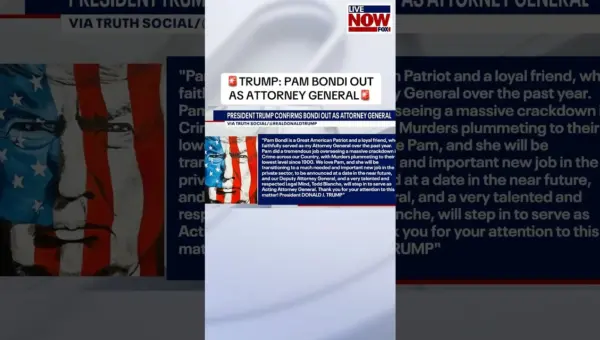
Trump Replaces AG Pam Bondi, Names New Acting Attorney General
Former President Donald Trump announced Thursday that Pam Bondi is no longer serving as his Attorney General, stating she is moving to a new private sector role. Trump praised Bondi's service on Truth Social, crediting her with overseeing a significant drop in crime. Todd Blanch has been appointed as the acting Attorney General.
Trump Surprises Leavitt With White House Press Secretary Offer
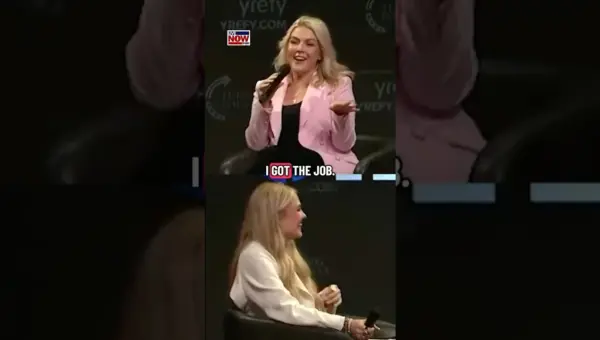
Former White House Press Secretary Kayleigh McEnany revealed the surprisingly casual way she learned she would be appointed to the role. Then-President-elect Donald Trump offered her the position during a routine phone call about a week after the 2016 election. The offer was made in a matter-of-fact tone, devoid of any formal ceremony or grand pronouncements.