Merkley Slams Trump’s Iran Action as ‘Unconstitutional War’
Senator Jeff Merkley has strongly condemned President Trump's recent military strikes on Iran, labeling them an "unconstitutional war." Merkley asserted that the president's actions violate the Constitution and the War Powers Act, drawing parallels to a child's tantrum and signaling a potential showdown over war powers on Capitol Hill.

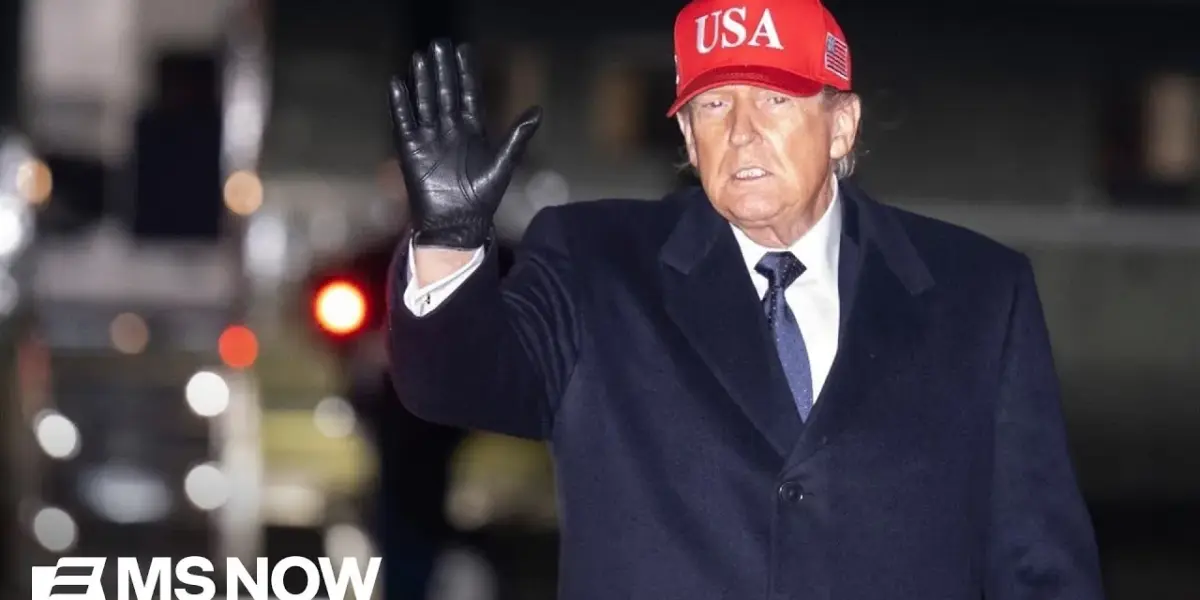
Congress Confronts Trump on War Powers Amid Iran Strikes
A significant constitutional clash is brewing on Capitol Hill as lawmakers confront President Donald Trump’s decision to order strikes against Iran without explicit congressional authorization. Senator Jeff Merkley, a vocal critic of the administration’s actions, characterized the move as an “unconstitutional war,” drawing parallels to a child’s tantrum and signaling a potential showdown over war powers.
Senator Merkley Denounces ‘War Powers Violation’
Speaking on the MS NOW network, Senator Merkley articulated his strong opposition to President Trump’s unilateral decision to engage in military action against Iran. The Oregon Democrat asserted that the U.S. Constitution clearly vests the power to declare war solely with Congress. “It is unconstitutional, it is a violation of the War Powers Act, it is a violation of the Constitution,” Merkley stated, emphasizing the gravity of the president’s actions.
Merkley drew a stark analogy to describe the president’s approach to foreign policy and military engagement. “The president is acting like a child throwing a tantrum,” he remarked, suggesting that Trump’s decisions are impulsive and disregard established legal and constitutional frameworks. This strong language highlights the senator’s belief that the president has overstepped his authority, potentially setting a dangerous precedent for future executive actions.
Shifting Battleground: From Tehran to Capitol Hill
The recent military strikes against Iran have ignited a fierce debate not only about foreign policy but also about the fundamental balance of power between the executive and legislative branches. As President Trump indicated that the campaign could extend for weeks, the focus of the conflict has demonstrably shifted from the battlefields in the Middle East to the legislative chambers of Washington D.C.
Senator Merkley highlighted the critical role of Congress in matters of war. “The power to declare war rests with Congress, and for the president to initiate hostilities without that congressional approval is a profound violation of our Constitution,” he reiterated. The senator’s comments reflect a broader concern among many lawmakers about the erosion of congressional oversight in matters of national security and foreign intervention.
Historical Context and the War Powers Resolution
The current dispute echoes historical tensions surrounding the War Powers Resolution of 1973. This legislation was enacted by Congress to reassert its constitutional authority over the decision to commit U.S. forces to armed conflict abroad. The resolution requires the president to notify Congress within 48 hours of committing armed forces to military action and limits the duration of such deployments without congressional approval.
Merkley’s critique suggests that the Trump administration’s actions may not only violate the spirit but also the letter of this crucial legislation. The senator’s firm stance implies that Congress is prepared to challenge the executive branch, potentially through legislative action or oversight hearings, to ensure adherence to constitutional checks and balances.
Broader Implications for U.S. Foreign Policy
The confrontation over war powers has significant implications for the future direction of U.S. Foreign policy and the president’s role in international conflicts. Critics argue that unchecked executive authority in initiating military actions can lead to prolonged engagements, unintended consequences, and a diminished role for democratic deliberation in decisions of life and death.
Senator Merkley’s forceful condemnation is a call to action for his colleagues in Congress. The senator’s perspective highlights the need for robust debate and clear delineation of responsibilities when the nation contemplates military intervention. The potential for a “war powers showdown” indicates that Congress is increasingly unwilling to cede its constitutional duties to the executive branch, especially in high-stakes foreign policy decisions.
What’s Next: Congressional Scrutiny and Potential Action
As the situation in the Middle East evolves, the focus on Capitol Hill is likely to intensify. Congress is expected to scrutinize the administration’s justifications for the strikes, demand transparency regarding intelligence assessments, and debate the appropriate response to President Trump’s assertion of war-making authority. Senator Merkley’s remarks signal that a significant constitutional debate is underway, and the outcomes could shape the future balance of power in U.S. Foreign policy for years to come.
Source: 'Child throwing a tantrum': Sen. Merkley reacts to Trump's 'unconstitutional' war (YouTube)

Related Articles


Trump’s Iran Deadline: A Risky Game of Threats
President Trump's administration announced a major escalation of strikes against Iran, calling it the largest volume since the operation began. This follows weeks of repeated deadlines and threats against Iran, which Iran has apparently dismissed as bluster.
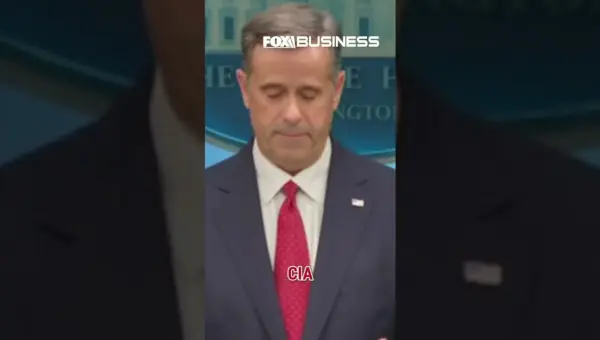
CIA Boasts Iran Humiliated by Audacious Airman Rescue
The CIA claims it executed a deception campaign that left Iran "embarrassed and humiliated" after successfully rescuing a U.S. airman. The mission involved locating the airman, confirming survival, and safely exfiltrating them under the noses of Iranian forces.
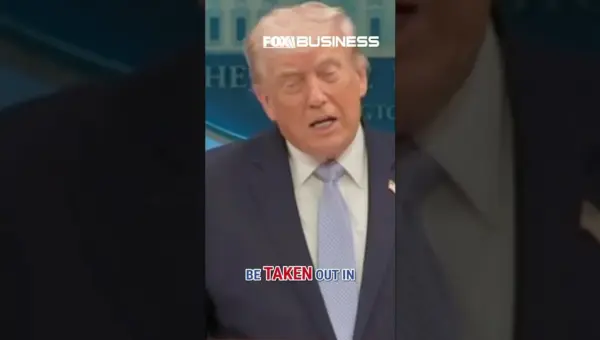
Trump Warns Iran: “Entire Country Can Be Taken Out”
Former President Donald Trump issued a strong warning to Iran, stating the entire country could be taken out in one night. The declaration followed the crash of an American F-15 jet in Iranian territory and the successful rescue of its crew. This geopolitical tension could influence market sentiment and specific industry sectors.