Mandelson Vetting Scandal Dominates UK Politics
Prime Minister Keir Starmer admitted his judgment was flawed in appointing Lord Mandelson ambassador after the nominee failed security vetting. The controversy has led to intense scrutiny of the vetting process and Sir Oliver Robbins, who is set to testify before a parliamentary committee. Political strategists criticize the focus on the scandal as a distraction from major public concerns like the cost of living crisis.

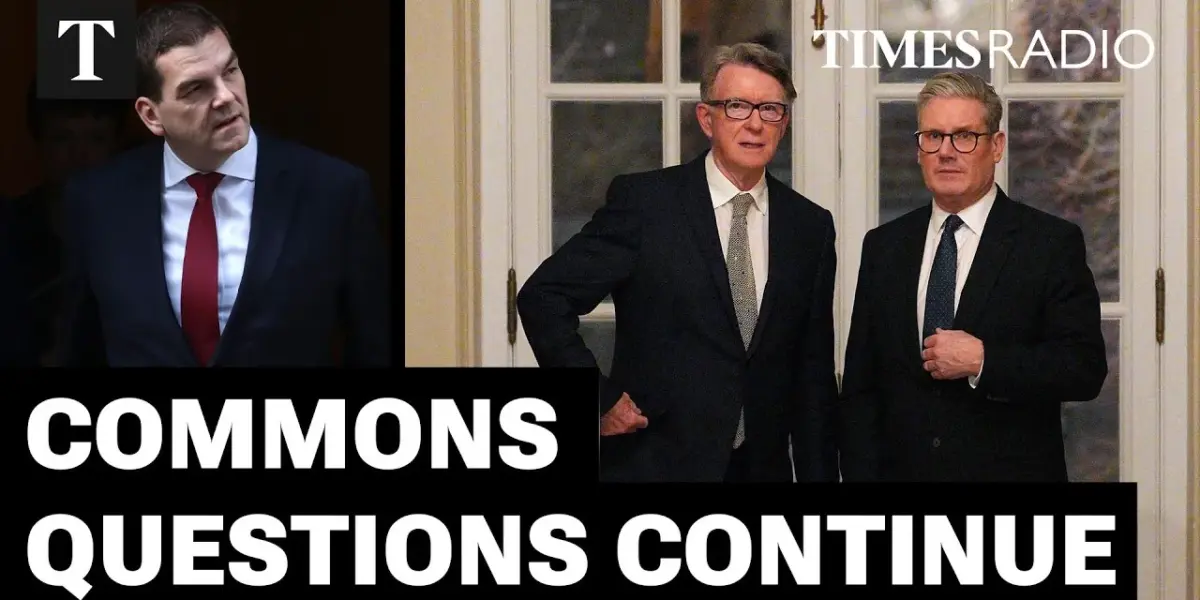
Starmer Admits Error in Mandelson Appointment Amid Vetting Scandal
Prime Minister Keir Starmer has admitted his judgment was flawed in the appointment of Lord Peter Mandelson as UK ambassador to Washington, following revelations that Mandelson failed security vetting. Starmer stated he should have been informed by former Foreign Office boss Sir Oliver Robbins about the failed vetting process.
He told MPs in the House of Commons that he does not accept the Foreign Office could not have informed him while maintaining necessary confidentiality. “The recommendation in the Peter Mandelson case could and should have been shared with me before he took up his post,” Starmer declared.
Questions Swirl Around Security Vetting Process
The controversy centers on the United Kingdom Security Vetting (UKSV) process, which Mandelson reportedly failed. Starmer argued that civil servants can flag UKSV recommendations without compromising sensitive information, allowing ministers to make informed decisions.
“There is no law that stops civil servants sensibly flagging UKSV recommendations while protecting detailed sensitive vetting information to allow ministers to make judgments on appointments or on explaining matters to parliament,” he explained. This statement places blame on officials for not relaying the vetting outcome to him.
Political Strategist Calls Handling ‘Clickbait’
Political strategist and communications expert Joe Tanner described the ongoing focus on the Mandelson affair as “political clickbait.” Tanner suggested that for the general public, preoccupied with a cost of living crisis and rising energy bills, such discussions seem “bizarre.” He emphasized that these political disputes distract from issues that have a “tangible difference to people’s lives.” The repeated discussion of Mandelson’s vetting within a short period, he noted, overshadows more pressing concerns for voters.
Robbins Faces Scrutiny at Foreign Affairs Committee
All eyes are now on Sir Oliver Robbins, the former senior civil servant at the Foreign Office, who is scheduled to give evidence to the Foreign Affairs Select Committee. This appearance is seen as a crucial opportunity to clarify who knew what and when regarding Mandelson’s vetting.
Liberal Democrat MP Edward Miliband, a member of the committee, outlined key areas of questioning. These include whether Robbins made the decision to grant security clearance unilaterally and who he consulted before and after Mandelson’s eventual dismissal.
Key Stages of the Process Under Investigation
Miliband highlighted three critical stages for interrogation: first, the point at which security clearance was granted despite UKSV’s recommendation; second, the period following the release of the Epstein files and Mandelson’s firing, when transparency was expected; and third, the time after the story leaked, when the Prime Minister allegedly learned of the failed vetting. The committee aims to uncover the full details of the decision-making process and any potential attempts to obscure the truth.
Cabinet Minister Defends Government’s Handling
In contrast, Cabinet Minister Nick Thomas-Symonds expressed satisfaction with the government’s response. He stated that his officials in the Cabinet Office followed an appropriate process upon learning of the vetting issue.
Thomas-Symonds assured that the Prime Minister was informed and initiated the necessary steps to update the House of Commons. He commended the work of his officials, suggesting the process was “perfectly reasonable and what you would expect in those circumstances.”
Opposition Raises Inconsistencies and Ministerial Code Concerns
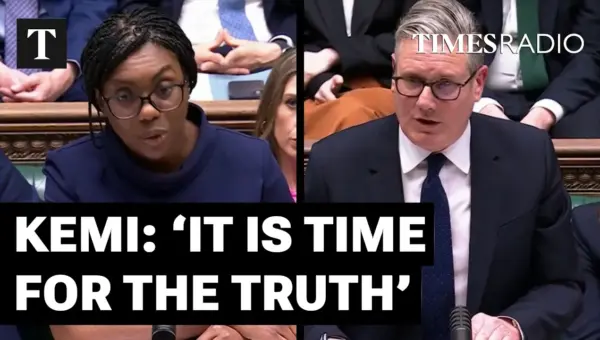
However, opposition figures, including Conservative MP Kemi Badenoch, have pointed to “serious inconsistencies” in the government’s position. Badenoch argued that MPs should debate the matter, especially following Robbins’s evidence. The debate is expected to last up to three hours.
Miliband also raised concerns that the Prime Minister may have breached the ministerial code by not correcting the record sooner after discovering potential misinformation. The situation draws parallels to past standards and privileges committee inquiries.
Parliamentary Debate and Public Frustration
The political atmosphere in the House of Commons was tense, with some MPs ejected for using unparliamentary language, including calling the Prime Minister a “liar.” Observers noted a lack of enthusiasm and visible support for the Prime Minister from his own cabinet and backbenchers. Many MPs appeared preoccupied with upcoming local elections and the potential impact of the scandal. The frustration among the public over the focus on political maneuvering instead of pressing economic issues was palpable.
What Happens Next?
All attention is now focused on Sir Oliver Robbins’s testimony before the Foreign Affairs Select Committee. His evidence is expected to shed further light on the timeline and decision-making surrounding Lord Mandelson’s vetting. The committee’s findings could significantly influence the ongoing political narrative and parliamentary debates, potentially leading to further scrutiny of the Prime Minister’s handling of the affair.
Source: ‘Starmer’s Lies’ About Mandelson Is ‘Political Clickbait’ (YouTube)

Related Articles

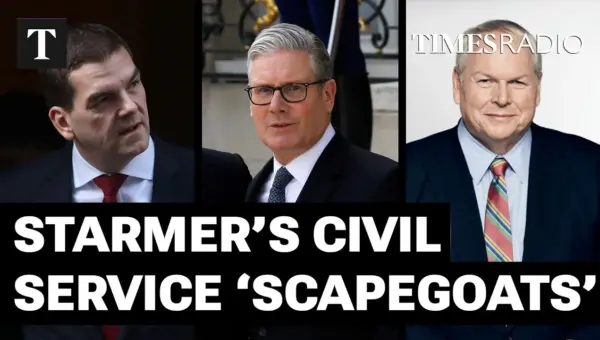
PM Fires Top Officials in Vetting Scandal Fallout
Prime Minister Keir Starmer is facing severe criticism for dismissing senior civil servants, including Oliver Robbins, in the wake of a vetting scandal. The controversy, likened to 'Yes, Minister,' highlights concerns over transparency, accountability, and the Prime Minister's handling of personnel decisions. The situation has damaged relations between the government and the civil service, raising questions about future recruitment and trust.
PM Blamed Civil Servant for Mandelson Envoy Role
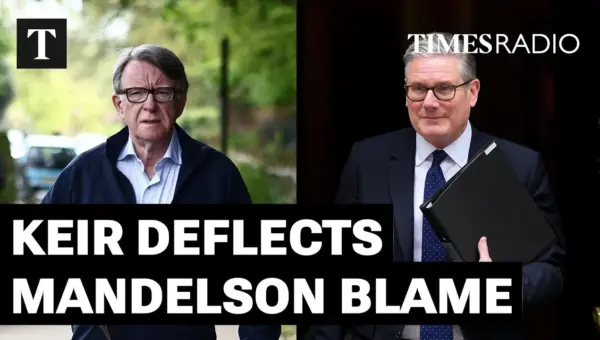
Prime Minister Keir Starmer has blamed Sir Ollie Robbins, a top civil servant, for issues surrounding Peter Mandelson's failed appointment as US ambassador. Labour MPs view the initial political appointment itself as the 'original sin,' despite Starmer's claims of not being fully aware of vetting concerns.

PM Grilled on National Security Risk Appointment
Prime Minister faces intense questioning over the appointment of Peter Mandelson as US ambassador, following revelations that he failed security vetting. Downing Street admits the PM inadvertently misled Parliament, sparking accusations of a ministerial code breach and national security concerns.