Virginia Vote Exposes GOP Hypocrisy on Gerrymandering
Virginia's recent vote to redraw electoral maps has ignited a fierce debate, exposing Republican hypocrisy on gerrymandering. While GOP leaders decry the move as a "power grab," past actions reveal a willingness to use the same tactics when they benefit the party.

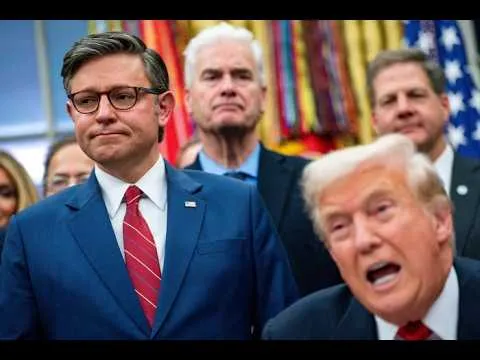
Virginia Vote Exposes GOP Hypocrisy on Gerrymandering
Virginia recently approved a ballot measure to redraw voting maps for upcoming elections. This move has sparked strong reactions, particularly from Republicans. Many in the GOP are calling the results unfair, with some even claiming the election was rigged.
Former President Donald Trump was among the most vocal critics. He described the referendum as a “rigged election” and stated the ballot language was “purposefully unintelligible and deceptive.” He suggested that even he, despite his intelligence, couldn’t understand what the referendum was about.
Other Republican leaders echoed these sentiments. House Speaker Mike Johnson called the redistricting a “hyperpartisan gerrymandering boondoggle.” He expressed confidence that legal challenges would overturn the results, stating, “We are confident and calling upon the Virginia Supreme Court to do the obvious and right result.”
Democrats, on the other hand, celebrated the vote as a win for fairness. They argued that the measure was a necessary step to “level the playing field” in future elections. The campaign for the referendum saw involvement from prominent Democrats, including former President Barack Obama, who urged voters to support the change.
A History of Double Standards
This situation highlights a recurring theme in American politics: the selective outrage over redistricting. Republicans often decry gerrymandering when it disadvantages them, yet have historically benefited from and even championed it when it favors their party.
The transcript points to a similar instance in Texas less than a year prior. There, under pressure from then-President Trump, Governor Abbott redrew congressional maps to help Republicans maintain control of the House. At the time, many of the same Republicans now criticizing Virginia’s vote remained silent or even supported the Texas redistricting effort.
This hypocrisy is not new. Similar redistricting reform efforts, like the John Lewis Voting Rights Act in 2021 and the Freedom to Vote Act in 2023, have been proposed in Congress. However, not a single Republican member of Congress voted for these bills, which aimed to curb partisan gerrymandering nationwide.
The reality is Republicans are not upset about Virginia’s redistricting because it goes against some moral principled stance of theirs. If that was the case, I have a feeling they would have voted for the legislation that Democrats put forward years ago that would have put a stop to partisan gerrymandering altogether.
The Power Grab Debate
Republicans have framed the Virginia vote as a “blatant abuse of power” and a “power grab” by Democrats. They suggest that if Democrats gain national power, they would use similar tactics to enact policies like expanding healthcare access or addressing climate change, which Republicans view negatively.
Conversely, Democrats argue that they are simply using legal tools to regain political power, similar to how Republicans have done in the past. They claim that their approach, if successful, would lead to policies that benefit ordinary citizens, such as improving healthcare and protecting vulnerable populations, rather than enriching the wealthy or cutting social programs.
The debate over gerrymandering often comes down to who benefits. When a party controls the process, they can draw maps that favor their candidates, making it harder for the opposing party to win seats. This can lead to less representative government, where election outcomes are predetermined by district lines rather than voter choice.
Why This Matters
The events in Virginia illustrate a critical issue in democratic governance: the manipulation of electoral systems for political gain. Gerrymandering, the practice of drawing electoral district boundaries to favor one party, can distort election results and undermine public trust in the democratic process.
When politicians prioritize partisan advantage over fair representation, it can lead to increased political polarization and gridlock. Voters may feel their voices don’t matter if districts are drawn to guarantee certain outcomes, potentially discouraging participation in elections.
The differing reactions from Republicans and Democrats in Virginia highlight the partisan nature of this debate. While Democrats framed the vote as a move towards fairness, Republicans saw it as an unfair tactic. This suggests that achieving bipartisan consensus on electoral reforms remains a significant challenge.
Looking Ahead
The legal challenges in Virginia are ongoing, and the Supreme Court’s decision will be closely watched. Regardless of the outcome, the debate over gerrymandering is likely to continue. It raises questions about how to ensure fair representation and prevent the manipulation of electoral maps.
As political parties continue to adapt their strategies, the use of redistricting as a tool for political advantage may persist. The Virginia referendum is a reminder of the constant tension between partisan interests and the principles of democratic fairness.
The next major electoral event to watch for developments in redistricting will be the upcoming congressional elections, where the impact of existing maps and potential future changes will be put to the test.
Source: Republicans have INTRAPARTY MELTDOWN over Virginia results | Another Day (YouTube)

Related Articles


Pence Slams Trump’s Pope Feud, Questions US Global Role
Former Vice President Mike Pence has called Donald Trump's use of AI images and language depicting him as Jesus-like "offensive." Pence also criticized current administration policies on Ukraine and questioned the Republican Party's shift towards isolationism.

Virginia’s Gerrymandering Sparks Outrage, Threatens Midterm Balance
Virginia voters narrowly approved a Democrat-backed redistricting plan, shifting the state's congressional map dramatically. Meanwhile, the FBI is investigating the mysterious deaths of 11 scientists, and peace talks with Iran face continued uncertainty.
Pence: Vance Never Called; Criticizes Trump’s Tariffs
Former Vice President Mike Pence revealed he has never spoken with his successor, Senator J.D. Vance, in an exclusive interview. Pence also criticized former President Trump's use of tariffs, asserting that taxes and imposts must originate in Congress.