Democrats Attack Trump’s Picks Amidst Global Turmoil
Democratic lawmakers are voicing strong concerns about President Trump's appointments, particularly Cash Patel, questioning his fitness and raising national security implications. Republicans largely defend the appointees, focusing on their own legislative work. The exchanges reveal a deep partisan divide on leadership and accountability.

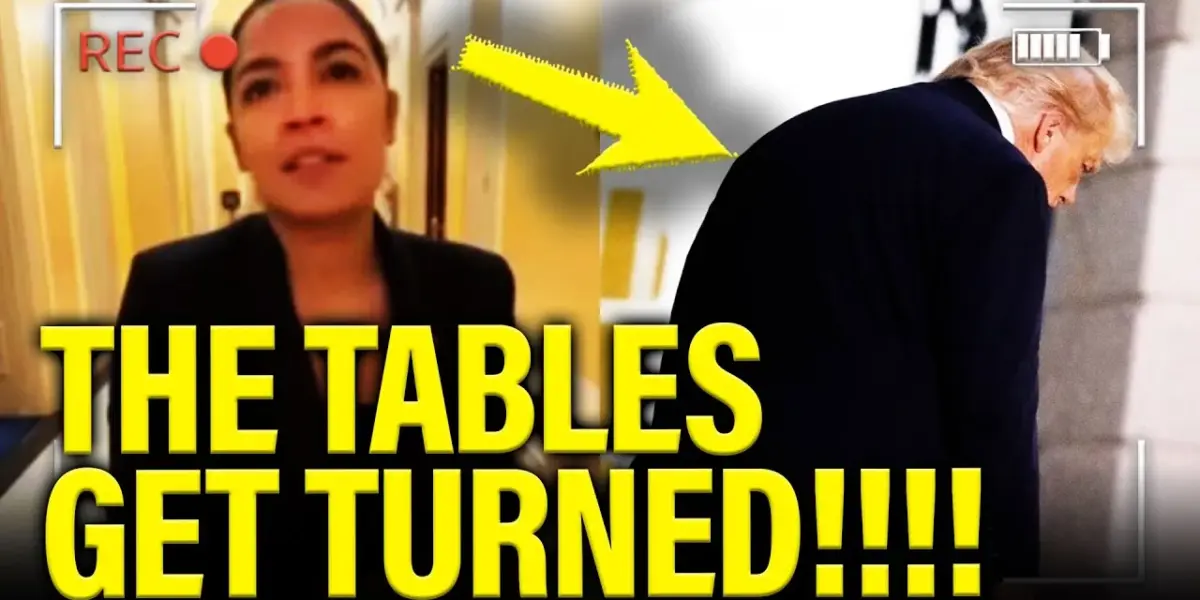
Democrats Escalate Attacks on Trump Appointees
In a heated political climate, Democratic lawmakers are raising serious concerns about President Trump’s appointments, particularly focusing on Cash Patel and the recent dismissal of Secretary of Labor Lori Chavez-DeRemer. The Midas Touch Network’s Washington D.C. Bureau captured these exchanges, highlighting a deep divide in how the nation’s challenges are being viewed and addressed.
Representative Alexandria Ocasio-Cortez directly questioned the President’s fitness for office, suggesting his focus on golf while a conflict escalates in Iran raises serious questions. She hinted that if the President cannot be trusted with critical decisions, the 25th Amendment might need to be considered. This sentiment reflects a broader worry about presidential judgment during times of international crisis.
Concerns Mount Over Cash Patel’s Suitability
A significant portion of the discussion centered on Cash Patel, with multiple Democratic members expressing doubts about his ability to serve effectively. Allegations regarding his conduct, including reports of public intoxication and questionable decision-making during past incidents like the Brown University shooting manhunt, have fueled these concerns.
Representative Vinman stated that the public perception of Patel, often joked about as being part of a “liquor cabinet,” suggests a problem. He worries that Patel’s alleged issues could impair his ability to safeguard the nation from threats. This viewpoint suggests that personal conduct can directly impact national security responsibilities.
Representative Submanian believes Patel’s incompetence is the primary national security issue, with his drinking being a secondary factor. Similarly, Representative Gia Paul finds the allegations about Patel’s behavior extremely concerning, especially if true, stating it creates opportunities for blackmail and compromise. These statements emphasize that a leader’s actions, even off-duty, can have serious implications.
Representative Walenshaw bluntly called Patel’s “general clownishness” a national security threat. Representative Alzoski echoed these worries, calling the allegations “extremely concerning.” Representative Magazina recalled Patel’s inaccurate public statements during manhunts, arguing that such errors put lives at risk and render him unfit for his role.
House Minority Leader Hakeem Jeffries was unequivocal, calling Patel “deeply unqualified” and “deeply un-American.” He argued that Patel should not have been confirmed and that Senate Republicans who approved him share responsibility for the current situation. Jeffries criticized the confirmation of several individuals, including Patel, as part of a “Trump cartel” causing damage to the nation.
Questions Surround Trump’s Priorities and Cabinet Changes
The President’s reported shift in White House construction plans, from a ballroom to a hospital and security bunker, also drew criticism. Representative Vinman expressed skepticism about the President’s priorities, suggesting a focus on these projects over addressing American costs or the war in Iran. He stressed that U.S. national security should be the top concern.
The dismissal of Secretary of Labor Lori Chavez-DeRemer, along with two other female cabinet members, was also a point of contention. Representative Alzoski noted this pattern, suggesting it was notable and called for accountability for the administration’s actions. He vowed to continue highlighting perceived abuses of power.
Republican Responses Offer a Different Perspective
In contrast, Republican members offered different views when questioned. When asked about Cash Patel’s conduct, Congresswoman Mary Miller stated she knew nothing about it. Congressman Diaz Balard, when asked about funding cuts to Catholic charities, claimed he had not paid close attention due to his focus on legislative markups.
Diaz Balard also expressed confidence in Cash Patel, despite acknowledging seeing “quick blurbs” on the airplane, stating he believed Patel was doing a “spectacular job.” This suggests a willingness among some Republicans to overlook or downplay concerns raised by Democrats.
Congressman McCormick stated he had not heard any rumors or concerns about Patel’s drinking and believed he was executing his job “brilliantly.” He suggested that enjoying oneself in spare time should not be an issue as long as it doesn’t negatively affect the job. He drew a parallel to his own experiences in the Marines, where socializing was common.
Congressman Randy Fine, upon learning of Lori Chavez-DeRemer’s resignation, stated he had just read about it and was unaware of the circumstances or any ongoing investigations. He mentioned his committee’s focus was more on education than labor, indicating a potential lack of deep engagement with the issue.
Why This Matters
The starkly different reactions from Democratic and Republican lawmakers highlight a deep partisan divide in how they perceive leadership, national security, and accountability. Democrats are emphasizing the potential risks associated with personal conduct and perceived incompetence in high-stakes government roles. Republicans, on the other hand, appear more inclined to defend appointees, focus on legislative duties, or dismiss allegations as unsubstantiated or irrelevant to job performance.
This ongoing debate impacts public trust in government institutions and the individuals who lead them. The focus on alleged personal failings of officials, while potentially valid, can also serve as a distraction from broader policy discussions and national challenges. The differing perspectives highlight the difficulty in achieving consensus on critical issues, especially in the lead-up to potential elections.
Implications and Future Outlook
The intense scrutiny of President Trump’s appointments and the administration’s actions suggests that these issues will remain prominent in political discourse. The Democratic Party’s strategy appears to involve highlighting perceived weaknesses and potential threats posed by Trump’s nominees, aiming to sway public opinion and potentially influence future confirmations or investigations.
For Republicans, the approach seems to be one of defense and redirection, emphasizing their own legislative priorities and defending the President’s choices. The effectiveness of both strategies will likely depend on unfolding events, public perception, and the media’s continued focus on these controversies.
The upcoming period will likely see continued clashes over appointments and the conduct of officials. The ability of the government to function effectively will depend on how these partisan tensions are managed and whether a common ground can be found on issues critical to national security and public welfare.
The Midas Touch Network plans to continue its reporting from Washington D.C., aiming to provide answers from lawmakers on key issues. Their efforts to expand their team underscore a commitment to covering these ongoing political battles.
Source: Trump LOSES IT as DEMS GO OFF in DC!!! (YouTube)

Related Articles

Trump’s Iran Gamble: Is War or Diplomacy the Path Forward?
Bill O'Reilly discusses President Trump's high-stakes foreign policy regarding Iran, suggesting a personal drive for victory fuels aggressive tactics. He questions the control of the Strait of Hormuz and highlights shifting international alliances, with Gulf states stepping up and European allies faltering. The conversation also touches on the controversial tariff refund system, questioning who truly benefits.
Ex-General Slams Trump’s Iran Talks: ‘America Alone’ Policy
A retired U.S. Army General criticized Donald Trump's Iran negotiation team, labeling the approach as "America Alone." The lack of experienced diplomats and reliance on business figures raises concerns about achieving meaningful outcomes. Key demands from both sides highlight a significant gap, with Congress's role and intelligence failures adding further complications to the delicate situation.

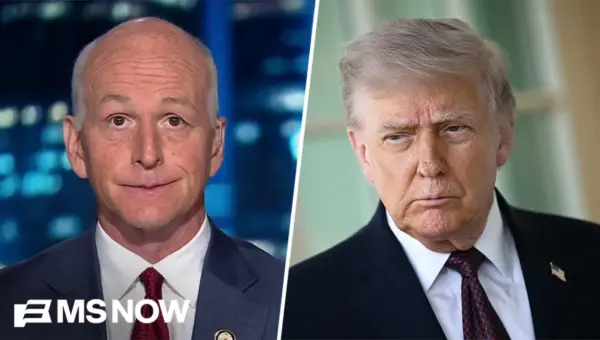
Dem Lawmaker: Trump Undermines Iran Deal Prospects
Rep. Adam Smith, a leading Democrat on the House Armed Services Committee, stated that President Trump's claims about the conflict with Iran are meaningless and that the U.S. has not achieved its objectives. Smith believes Trump's unpredictable and boastful rhetoric is undermining any possibility of a diplomatic deal with Iran and empowering hardliners.