Democrats Must Fight: New Book Demands Power
Brian Tyler Cohen's new book, "The Day After," argues that Democrats must learn to wield power more effectively to defend democracy. The book criticizes past Democratic hesitations and offers strategies for a more assertive approach. Cohen believes this is crucial for countering current political threats and ensuring democratic survival.

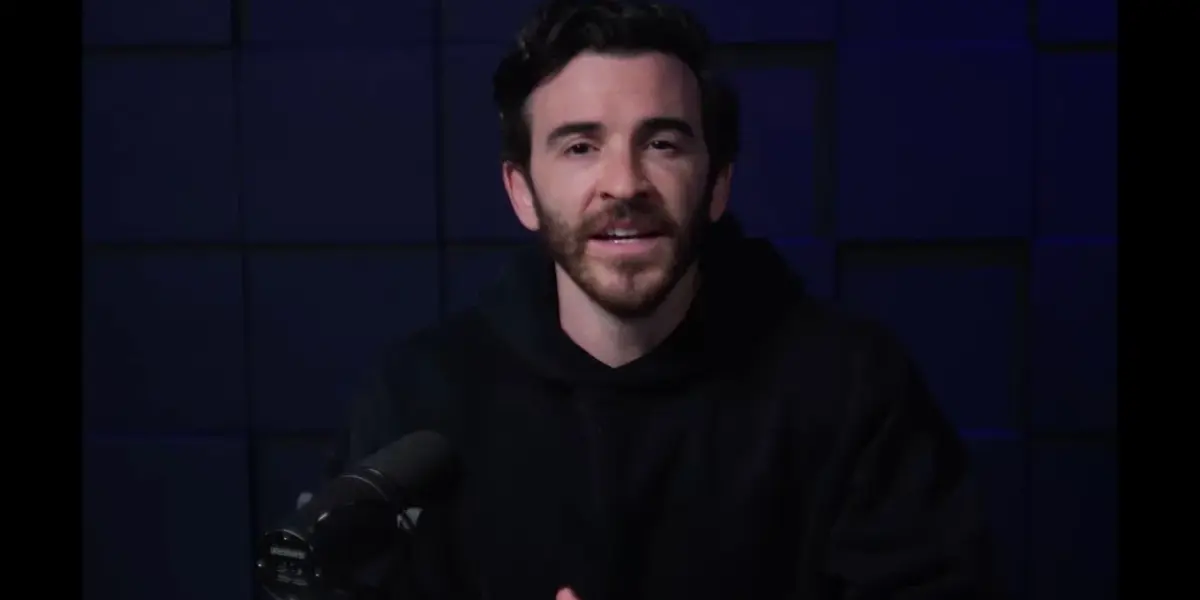
Democrats Must Fight: New Book Demands Power
Brian Tyler Cohen, a familiar voice in political commentary, has announced the release of his new book, “The Day After: How to Wield Power in a Post-Trump World.” The book and an accompanying tour aim to address what Cohen sees as a critical problem: the Democratic party’s failure to effectively use power, especially when facing aggressive Republican tactics. He believes this is the right book for the current political moment.
Cohen’s central argument revolves around the concept of power itself. He asserts that Republicans have often abused their power, while Democrats have been hesitant to wield theirs.
The book offers a roadmap for Democrats, explaining what they must do if they regain power. This isn’t just about winning elections; it’s about fundamentally changing how a political party operates to achieve its goals.
Cohen points to specific instances where he feels Democrats have been too passive. He recalls the Republican handling of Supreme Court nominations, contrasting Merrick Garland’s blocked appointment with Amy Coney Barrett’s swift confirmation.
He also notes the Republican rhetoric against a “weaponized government” that, in his view, they then used as a tool against political opponents. These examples highlight a perceived imbalance in political strategy and execution.
The author expresses frustration with traditional political responses. He is tired of what he calls “strongly worded letters” and an overemphasis on institutions, norms, and procedural rules like the filibuster.
Cohen argues that elected officials are meant to serve the people, not the processes of government. Institutions are tools, not the ultimate goal, and should not stand in the way of delivering for constituents.
“The Day After” is presented as a blueprint for a Democratic party ready to fight with the urgency the times demand. Cohen paints a stark picture of the current political climate, describing a Republican party he believes is actively working to create an “autocratic white nationalist theocracy.” He notes that this goal is not being hidden, citing actions against the media, comedians, and even legal professionals.
Cohen’s message is clear: “politics as usual” will not save democracy. He stresses that democracy is not guaranteed; it must be actively fought for.
He observes that one side is currently fighting much harder, but insists it doesn’t have to be this way. The book aims to provide a strategy for forward-looking governance, accountability, and strengthening democracy.
The book tackles a wide range of crucial issues, including the Supreme Court, healthcare, climate change, and the economy. It also digs into the complexities of the pardon power. Cohen believes these topics are essential for understanding how to wield power effectively in the current political landscape.
Why This Matters
Cohen’s work comes at a time of deep political division and intense debate about the future of American democracy. His call for Democrats to adopt a more aggressive stance challenges conventional political thinking. The book suggests that a passive approach may no longer be viable when facing what he describes as an existential threat to democratic principles.
The core of Cohen’s argument is a re-evaluation of political strategy. He is urging a shift from prioritizing procedural norms to prioritizing the delivery of results for citizens.
This perspective is crucial for understanding how political parties adapt to changing challenges and public expectations. It questions whether adherence to tradition can coexist with the need for decisive action.
Cohen’s book also touches upon the broader theme of public trust in institutions. By criticizing the use of government apparatus as a “cudgel” and highlighting concerns about corruption, he taps into widespread public anxieties. His proposed solutions, which involve a more direct and assertive use of power, reflect a growing impatience with political gridlock and perceived inaction.
The implications of Cohen’s ideas extend beyond the Democratic party. They invite a broader conversation about the nature of political power, the responsibilities of elected officials, and the health of democratic systems. If his assessment of the current threats is accurate, then a fundamental rethinking of political engagement may indeed be necessary.
Historical Context and Future Outlook
The concept of “wielding power” in American politics is as old as the nation itself. Debates about the balance of power between branches of government, the role of political parties, and the rights of citizens have shaped the country’s history. From the Federalist Papers arguing for a strong central government to the progressive era’s push for reform, the use and abuse of power have always been central themes.
Cohen’s focus on the post-Trump era suggests a specific historical moment. The Trump presidency was marked by challenges to democratic norms and institutions, creating a sense of urgency for many.
His book builds on a tradition of political analysis that seeks to understand and counter perceived threats to democratic governance. It reflects a concern that the traditional checks and balances may not be sufficient in the face of determined opposition.
Looking ahead, Cohen’s book proposes a proactive approach to safeguarding democracy. The tour cities – Washington D.C., New York, Chicago, San Francisco, and Los Angeles – represent major centers of political and cultural influence.
By engaging with audiences in these cities, Cohen aims to spark a wider discussion and mobilize support for his ideas. The success of his book and tour could influence how political strategists and voters think about power and its effective use.
The future outlook depends on whether political actors and the public embrace Cohen’s call to action. Will Democrats adopt a more assertive strategy, or will traditional approaches persist?
The book offers a clear vision for what Cohen believes is necessary for survival. The conversation it starts is vital for anyone concerned about the direction of American politics and the future of its democratic institutions.
Cohen is dedicating his career to making politics accessible and advocating for progressive outcomes. He has spent nearly a decade working tirelessly, offering his perspective on the news and assisting other creators.
His book and tour are the culmination of this work, an invitation to a critical conversation about power and the future. Readers can pre-order “The Day After” or purchase tickets for the tour through a dedicated landing page.
Source: NEW: Announcement from Brian Tyler Cohen (YouTube)

Related Articles

GOP Lawmaker Warns of Socialist Policies Derailing Dems
A Republican lawmaker warns that the Democratic Party's embrace of "socialist policies" could lead to political downfall. He uses the analogy of a bus losing its wheels to describe the potential negative consequences of this ideological shift.

Trump Official Ousted: Misconduct Rocks Labor Department
Labor Secretary Lori Chavez-DeRemer has reportedly been fired amid allegations of inappropriate relationships, misuse of funds, and excessive drinking on duty. This incident adds to a pattern of misconduct concerns within the Trump administration, raising questions about judgment and national security.


Trump Faces MAGA Revolt, Church Backlash, Late-Night Jabs
Donald Trump faces declining support from Catholic voters and a revolt from some MAGA followers amid criticism of his stance on global wars. Experts suggest lessons from the Pope's call for peace and the Civil Rights Movement's strategy of finding common ground can help rebuild democracy.