Pakistan Steps Up as Global Peacemaker Amidst Rising Domestic Anger
Pakistan is balancing its role as a key mediator in the U.S.-Iran conflict with rising domestic anger over American actions against Iran. While hosting crucial peace talks in Islamabad, the nation faces internal pressure and concerns about sectarian violence. This dual role highlights Pakistan's strategic importance and its complex relationship with regional and global powers.

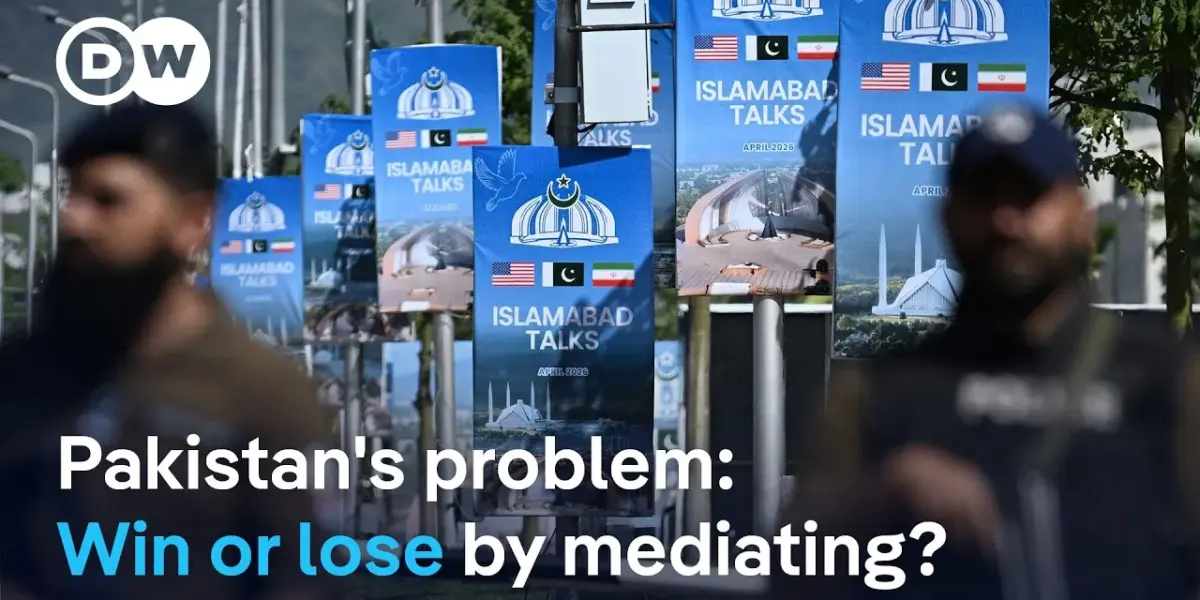
Pakistan Navigates Dual Role: Peacemaker Abroad, Firefighter at Home
Pakistan finds itself in a complex position, acting as a key negotiator between the United States and Iran while simultaneously dealing with growing unrest within its own borders. The nation is set to host a new round of ceasefire talks, leading authorities to implement strict security measures in the capital, Islamabad. These measures include increased troop presence at checkpoints, closure of tourist sites, and the cancellation of hotel bookings to ensure facilities are available for the high-level discussions.
However, this international peacemaking effort is happening alongside significant domestic challenges. Pakistan’s Shiite population, estimated to be around 35 million, is expressing strong dissatisfaction with recent American actions against Iran. Violent protests erupted in Pakistan following the reported killing of Iran’s Supreme Leader Ayatollah Ali Khamenei in U.S.-Israeli strikes, raising concerns among Pakistani officials about a potential resurgence of sectarian violence.
Why Pakistan Seeks a Mediator Role
Michael Kugelman, a senior fellow at the Atlantic Council specializing in South Asia, explains Pakistan’s motivation for stepping into this critical mediation role. He suggests the primary driver is a genuine desire to see the conflict end and to contribute to de-escalation efforts.
Pakistan, more than any other country outside the Middle East, is vulnerable to conflict spillover effects. It borders Iran, of course, but it also is heavily dependent on energy resources from the Middle East.
And there are also several million Pakistani expatriates based in the Middle East who send back very valuable remittances to Pakistan. That’s really important for the Pakistan economy.
Kugelman highlights that Pakistan’s strategic location and economic ties to the region make it particularly susceptible to the consequences of prolonged conflict. The country relies on energy imports from the Middle East and benefits significantly from remittances sent back by millions of Pakistani workers living there.
Pakistan has leveraged its strong relationships with both the U.S. and Iran, alongside its ties with countries like Turkey, GCC states, and China, to position itself as a credible mediator. This ability to engage with multiple key players is crucial in facilitating dialogue and moving towards a peaceful resolution.
Domestic Reactions to U.S. Partnership
The U.S. has publicly acknowledged Pakistan’s role, with former President Trump specifically thanking Prime Minister Shehbaz Sharif and Army Chief General Asim Munir for their efforts in brokering an initial ceasefire. This collaboration, however, elicits mixed reactions within Pakistan.
While some Pakistanis view working closely with a global power like the United States as beneficial for projecting influence and improving the country’s international image, others are more critical. Critics, including those from both civilian and military spheres, believe Pakistan is making a mistake by aligning too closely with the U.S., especially by appearing to flatter President Trump.
There is a concern that by trying too hard to please the U.S. president, Pakistan could be drawn into actions it would prefer to avoid. A potential future request could involve normalizing ties with Israel, a move Pakistan currently has no interest in, creating a delicate balancing act for its foreign policy.
Groundwork for Peace Talks
Pakistan has been actively engaged in diplomatic efforts for weeks, well before the ceasefire announcement. The country has utilized its key partnerships to facilitate communication between the U.S. and Iran, as well as engaging with other nations involved in the peace process, including China.
The involvement of China has been particularly significant. A joint peace proposal announced by China and Pakistan after the Pakistani foreign minister’s visit to Beijing signaled China’s endorsement of the peace process. This support is seen as crucial, as China possesses considerable influence over Iran, which Pakistan may lack to the same extent.
Following the initial ceasefire, Pakistan continued its diplomatic push, hosting senior Iranian and American officials for face-to-face meetings in Islamabad. Although these talks did not result in a deal, they represented a significant step in direct engagement between the two sides. The army chief’s recent visit to Iran and the Prime Minister’s travels to Qatar, Saudi Arabia, and Turkey further underscore Pakistan’s commitment to maintaining momentum and engaging all relevant parties.
Trust and Regional Dynamics
Despite Pakistan’s close alliance with Saudi Arabia, a long-standing rival of Iran, and a brief border conflict between Iran and Pakistan two years ago, high-level engagements have improved relations over the past year. These consistent discussions have helped build a foundation for trust.
The role of China in quietly persuading Iran to engage in de-escalation talks is considered a key factor. China’s quiet diplomacy complements Pakistan’s efforts, providing a crucial layer of support for the peace process.
Pakistan’s active mediation also appears to be shifting the regional geopolitical narrative, potentially putting India on the defensive. While India has historically sought to isolate Pakistan on the international stage, Pakistan’s current role as a central mediator has garnered positive global attention, a stark contrast to India’s quieter diplomatic approach in the current situation.
This diplomatic success has strengthened Pakistan’s global image, countering narratives that have previously characterized it as a state sponsor of terrorism. The international community is now hearing about Pakistan as a mediator and peace broker, a positive development for the nation’s reputation.
Looking Ahead
Pakistan is scheduled to host another round of talks in Islamabad this week, focusing on leveraging its various international relationships. The success of these talks will be closely watched, especially given the potential for both significant achievement and considerable risk if negotiations falter.
Source: Pakistan's push for peace on world stage, as anger rises over Iran war at home | DW News (YouTube)

Related Articles

Trump Unlikely to Extend Iran Ceasefire Amid Rising Tensions
President Trump is unlikely to extend the current ceasefire with Iran as a critical deadline approaches. Tensions remain high in the Strait of Hormuz, with a U.S. blockade in effect and recent naval encounters. Diplomatic efforts continue in Pakistan, focusing on reopening the vital waterway amidst concerns over Iran's nuclear program and regional stability.

Iran’s Leaders Play ‘Dance of Cobras’ Amidst Power Void
Iran's leadership is engaged in a dangerous internal power struggle, likened to a 'dance of cobras' around an empty chair. This division fuels uncertainty and impacts international negotiations, as different factions vie for control.


China-Iran Ship Deal Threatens Peace Talks, Experts Warn
Iran's recent actions near the Strait of Hormuz, including firing on tankers and boarding a ship with potential Chinese military links, threaten ongoing peace talks. Experts warn this could derail negotiations and escalate regional tensions.