Trump Unlikely to Extend Iran Ceasefire Amid Rising Tensions
President Trump is unlikely to extend the current ceasefire with Iran as a critical deadline approaches. Tensions remain high in the Strait of Hormuz, with a U.S. blockade in effect and recent naval encounters. Diplomatic efforts continue in Pakistan, focusing on reopening the vital waterway amidst concerns over Iran's nuclear program and regional stability.

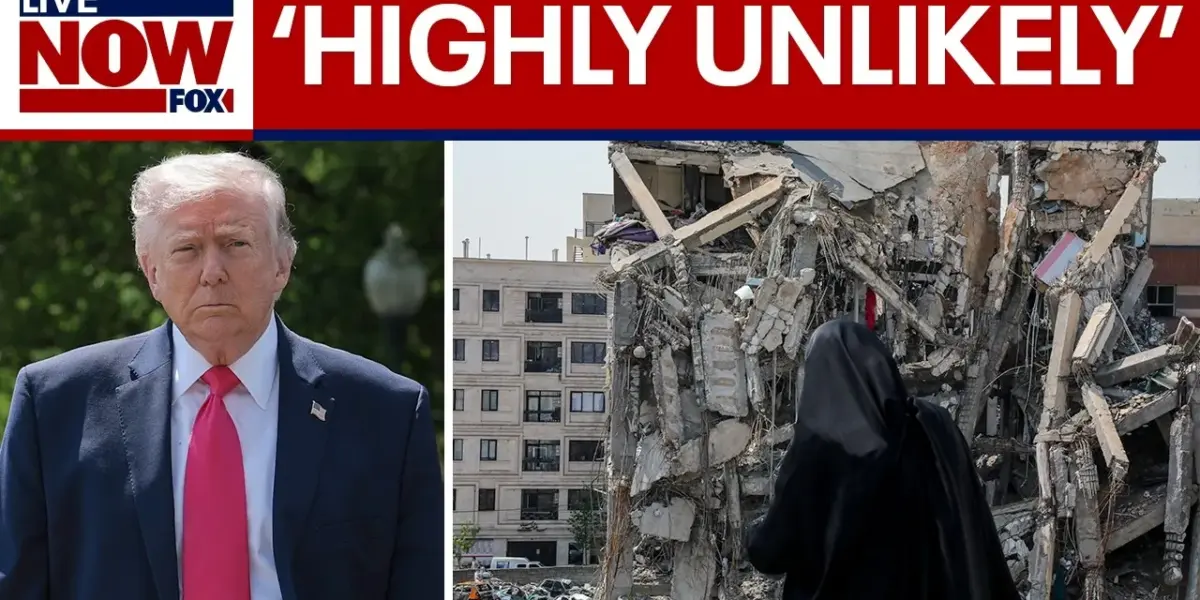
Tensions Flare as Ceasefire Deadline Looms
With a critical ceasefire deadline approaching within 24 hours, President Trump has indicated it is “highly unlikely” he will grant an extension. This comes as Vice President JD Vance prepares to lead a delegation, including Steve Wickoff and Jared Kushner, to Pakistan for further negotiations. The Strait of Hormuz remains a key focus, with a blockade still in effect and tensions escalating.
President Trump’s statement to Bloomberg News suggests a firm stance on renewing the current agreement. The potential for renewed conflict looms large, especially given recent incidents. The situation demands careful diplomatic maneuvering as both sides assess their next steps.
Strait of Hormuz Blockade and Naval Encounters
The strategic Strait of Hormuz has become a flashpoint, with a recent incident involving an Iranian flag cargo tanker attempting to bypass the U.S. blockade on Sunday. The U.S. responded by attacking and seizing the vessel, a move described as bold and intended to gain leverage. This action highlights the ongoing friction and the risks inherent in controlling this vital waterway.
Even if a deal is struck, clearing the strait of Iranian mines presents a significant challenge. The U.S. Navy, however, is reportedly prepared for the task. These mines, including moored contact mines and bottom influence mines, require specialized handling and clearance operations.
Congressional Opposition and International Concerns
Meanwhile, Senate Democrats are pushing for a fifth vote on a war powers resolution. This resolution aims to end U.S. military operations in the region unless Congress formally approves them. Democrats have vowed to continue forcing votes weekly as long as the conflict persists, signaling a significant internal political divide.
President Trump has also issued stark warnings about the consequences of a failed ceasefire. He told BBS that if the deadline passes without an agreement, “Lots of bombs start going off in Tel Aviv.” This threat highlights the high stakes involved and the potential for widespread regional conflict.
Diplomatic Efforts and the Path Forward
Vice President JD Vance is expected to lead negotiations in Pakistan, continuing discussions that began with a previous 21-hour meeting in Islamabad. Policy director at Defense Priorities, Ben Freeman, suggests focusing on the immediate issue of reopening the Strait of Hormuz. He believes this is crucial for easing pressure on the U.S. economy, which is experiencing rising gas prices.
Freeman argues that Iran’s greater tolerance for hardship makes it a stronger negotiator in this “existential struggle.” He advises prioritizing the Strait’s reopening over complex issues like nuclear weapons and missiles in the current talks. A bare-bones deal to continue the ceasefire and allow for further discussion on the Strait is seen as a realistic short-term goal.
Nuclear Program and Sanctions Relief
The nuclear program remains a central, albeit complex, issue. While some within the Trump administration may prefer to delay these discussions, the urgency of the current situation demands a pragmatic approach. The original Iran nuclear deal, known as the JCPOA, took two years to negotiate, highlighting the unlikelihood of resolving such intricate matters in a matter of days.
Iran is likely seeking sanctions relief in exchange for allowing more shipping through the Strait. The U.S. blockade of Iranian actions has created economic pressure, and a potential deal could involve lifting some of these restrictions. This exchange represents a possible area for compromise.
Regional Allies and Economic Impacts
The conflict’s impact extends to Gulf Arab states, some of whom are reconsidering their alliances with the U.S. due to security concerns. Reports suggest the United Arab Emirates is re-evaluating the presence of U.S. bases, which may have become liabilities rather than security assets. This reflects a growing unease among regional partners.
However, some Gulf states, like Saudi Arabia, have reportedly been more supportive of continuing the war, potentially benefiting from higher oil prices despite some export challenges. The economic implications for these nations are varied, influenced by their specific circumstances and market positions.
Rebuilding and Future Scenarios
Iran is likely using the ceasefire period to rebuild its capabilities, particularly its drone program. Secrecy surrounds these efforts, but it is expected that Iran will work to strengthen its arsenals in preparation for potential future conflict. This rebuilding is seen as a natural response to their vulnerability to attack.
The best-case scenario involves extending the ceasefire through a deal that includes Iranian assurances on shipping and a path toward reopening the Strait. This could enable longer-term negotiations on issues like nuclear weapons. The worst-case scenario is a swift resumption of hostilities, with the war restarting within days.
U.S. Pain Tolerance and Economic Outlook
The United States’ ability to sustain military action is closely tied to its economic resilience. Rising oil and gas prices are expected to worsen before improving, potentially impacting the broader U.S. economy. A significant economic downturn could create political pressure on President Trump, especially with upcoming elections.
The administration faces a difficult balancing act, managing international tensions while addressing domestic economic concerns. The threshold for public and political tolerance remains a key factor in determining the duration of U.S. involvement. The coming days will be critical in determining whether a lasting peace can be forged or if conflict will reignite.
Source: Iran war: Trump says it's 'highly unlikely' he extends ceasefire (YouTube)

Related Articles

Oil Crisis Deepens Amid Shifting Iran Deal Talks
The global oil market is grappling with its largest supply shortfall in 50 years, centered around the volatile situation at the Strait of Hormuz. Amidst shifting Iran deal talks and economic resilience, investors are watching closely for signs of stability. Technology and communication services sectors are currently driving the stock market's rise, even as recession risks linger.


Lebanon Fears War on Its Soil; Epstein Ranch Probed
Residents in Beirut are living under the shadow of war, feeling like unwilling participants in a conflict fought on their land. Meanwhile, new documents are bringing Jeffrey Epstein's Zorro Ranch in New Mexico under intense scrutiny, as survivors push for investigations into alleged abuse at the isolated property.


Lebanon Warily Watches Ceasefire, Hopes for Lasting Peace
Four days into a ceasefire, Lebanon cautiously welcomes the return to normalcy but remains deeply distrustful of its longevity. The proximity to Israel fuels apprehension, despite a diplomatic meeting scheduled for Thursday in Washington D.C. offering a glimmer of hope for lasting peace.