Trump Policies Threaten World Cup Dream
The 2026 World Cup faces significant hurdles due to U.S. travel restrictions, high costs, and complex visa processes. Industry experts now predict a smaller economic boost than initially hoped, raising concerns about the tournament's success and the U.S.'s image as a host nation.

Trump Policies Threaten World Cup Dream
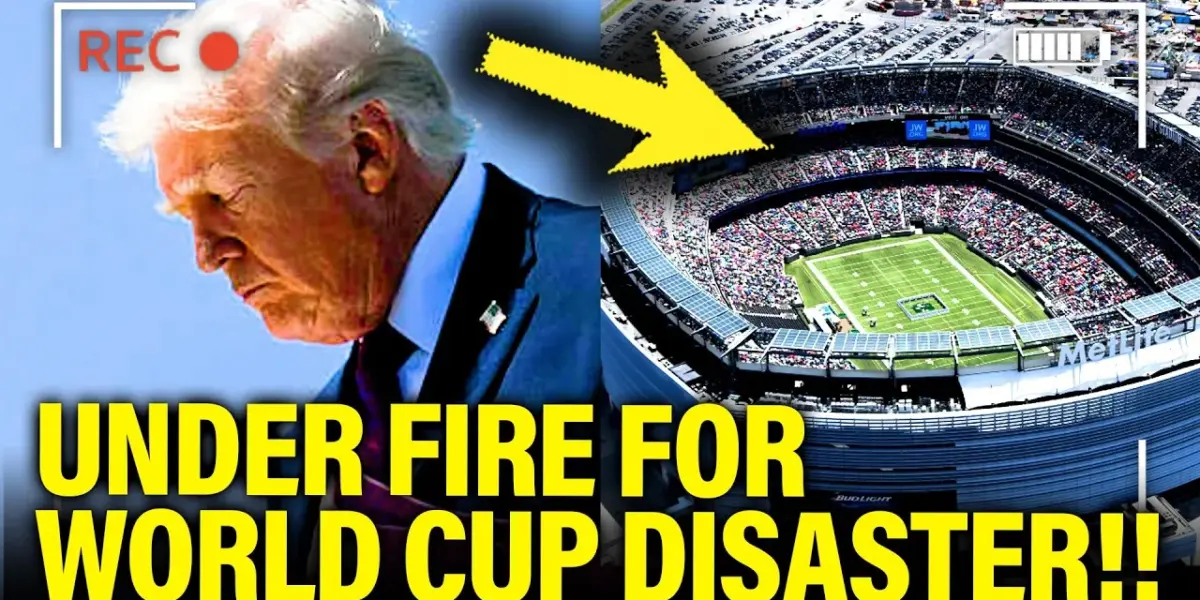
The upcoming 2026 World Cup, set to be co-hosted by the United States, Mexico, and Canada, faces significant challenges before it even begins. A report from The New Republic suggests that actions and policies associated with Donald Trump have already harmed the tournament’s prospects. These issues include strict travel bans, fears about safety, and high costs, which are making people hesitant to attend.
The United States’ role in the World Cup is complicated by ongoing foreign policy decisions. Travel restrictions aimed at several countries, some of which are participating in the tournament, have created a negative atmosphere. This has led to concerns that potential visitors may choose not to come to the U.S. for the event.
FIFA’s Controversial Peace Prize
Adding to the controversy is the relationship between Donald Trump and FIFA President Gianni Infantino. Infantino awarded Trump a newly created FIFA peace prize. This happened while Trump was involved in tense international relations, including threats concerning Greenland and actions toward Iran.
Critics have questioned the timing and nature of this award, especially given the global political climate. Some see it as FIFA aligning too closely with the Trump administration rather than focusing on the broader interests of the sport and its fans. This perceived favoritism has drawn criticism from various groups.
Economic Worries for US Hotels
The U.S. hotel industry is expressing serious concerns about the expected economic benefits from the World Cup. Factors like current economic uncertainty, global political tensions, and a perceived downturn in international travel under the Trump administration are causing worry.
Data from Co-Star, a leading industry analytics firm, indicates that the hotel sector fears a lack of international fan attendance. This is a significant issue because international visitors tend to spend more money, stay longer, and use more hotel services than domestic tourists.
Visa Issues and Travel Hurdles
A major hurdle for international fans is the U.S. visa process, which is often described as difficult and time-consuming. Reports of domestic ticket sales dominating and the complex visa requirements are raising doubts about the number of foreign attendees.
Most cities were prepared for an equal split between domestic and international visitors. However, the preference for international guests due to their higher spending makes this imbalance a concern for the lodging industry’s success. The U.S. Travel Association has noted a decline in international travel in recent years.
Concerns Over ICE Enforcement and Safety
Beyond visa issues, some fans worry about being detained or denied entry due to strict ICE enforcement policies. There are even reports that FIFA has had to ask for limits on enforcement actions during the tournament to make fans feel safer traveling to the U.S.
This situation is seen as unusual and potentially damaging to the event’s reputation. The ongoing conflict with Iran also adds another layer of complexity, raising questions about the safety and stability of hosting a major international event while involved in a foreign conflict.
Rising Costs and Lowered Expectations
The cost of attending the World Cup is also becoming a significant barrier. Transportation prices have reportedly jumped dramatically in some areas, and FIFA is not providing funding for transportation, leaving local authorities with large bills.
While FIFA stands to make billions from the World Cup, ticket prices are extremely high, with some costing up to $10,000 for the final match. Hotels near stadiums are also charging exorbitant rates, with some rooms going for over $8,500 per night, a huge increase from normal prices.
Industry Downgrades Expectations
Industry analysts are revising their forecasts downwards, indicating less optimism about the World Cup’s economic impact on hotels. Co-Star and Tourism Economics have lowered their predictions for revenue increases, now expecting a much smaller boost compared to previous estimates.
These revised expectations are a fraction of the economic benefit seen when the U.S. last hosted the World Cup in 1994. This suggests that the current challenges are significantly dampening the potential success of the tournament.
Why This Matters
The potential fallout from these issues extends beyond the World Cup itself. It highlights how national policies and political climates can impact major international events and the global perception of a host country. The economic implications for the U.S. could be substantial, affecting tourism revenue and job creation.
It raises questions about FIFA’s role and its alignment with host governments. The focus on maximizing revenue, as seen with high ticket and hotel prices, may alienate the very fans who are crucial to the sport’s popularity and success.
Future Outlook
The success of the 2026 World Cup now hinges on addressing these complex issues. The U.S. and FIFA must work to alleviate travel concerns, simplify visa processes, and ensure fan safety and affordability.
Failure to do so could result in a less successful tournament, impacting not only the immediate economic gains but also the long-term image of the United States as a welcoming host for international events. The coming months will be critical in determining whether the World Cup can overcome these obstacles.
The U.S. Travel Association has forecast a nearly $70 billion travel trade deficit for 2025, indicating a broader trend of declining international tourism that needs urgent attention.
Source: 🚨Trump PANICS as WORLD CUP DISASTER Unfolds!! (YouTube)

Related Articles

Military Leaders Sideline President Amid Fears of Erratic Behavior
Military advisors reportedly excluded President Trump from command during a critical operation due to fears of his erratic behavior. This has reignited calls for invoking the 25th Amendment, highlighting concerns about presidential fitness and national security.


Trump’s Iran Standoff: A Tightrope Walk to Nowhere
The U.S. faces a volatile situation with Iran, marked by Trump's inconsistent diplomacy and a search for cease-fire extensions. Internal administration turmoil and questionable reporting practices add to the chaos, while control of the Strait of Hormuz remains a key point of contention. This creates a dangerous stalemate with significant global economic and security implications.

Trump’s Iran Policy: War Bravado Meets Diplomatic Chaos
As a fragile ceasefire nears its end, Donald Trump's volatile rhetoric and erratic decision-making are casting a shadow over potential peace talks with Iran. A new report details his behind-the-scenes anxieties and fears of repeating past foreign policy failures, while public opinion remains largely negative.