Trump Tariffs Refunded: Billions Now Flowing Back to Businesses
Businesses can now claim refunds for certain Trump-era tariffs following a Supreme Court ruling. U.S. Customs and Border Protection is managing the process, which involves billions of dollars in deposits. This development could provide significant financial relief to companies impacted by the tariffs.

Trump Tariffs Refunded: Billions Now Flowing Back to Businesses
Starting Monday, businesses can begin claiming refunds for certain tariffs imposed during the Trump administration. This significant development follows a major Supreme Court decision earlier this year. The court ruled that the president did not have clear authority under a specific law to put these tariffs in place.
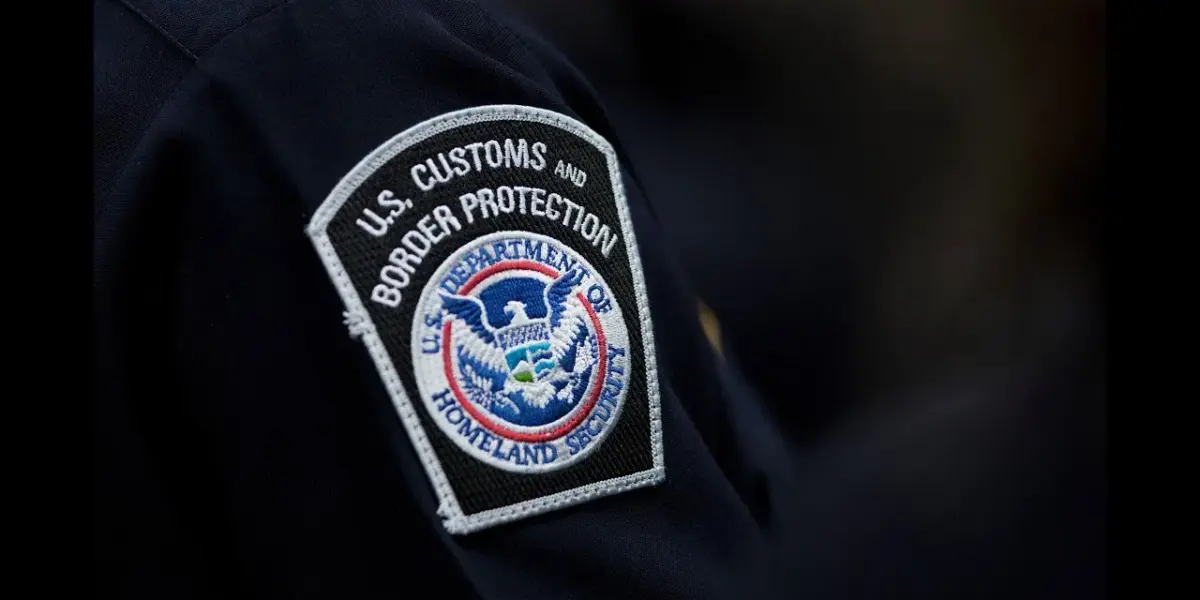
U.S. Customs and Border Protection (CBP) is now handling the first stage of these refunds. This initial phase covers a select group of recent tariff payments. The agency plans to use a single, organized system for processing these claims, moving away from individual reviews.
Most businesses can expect their refund money within about two to three months after their claims are approved. Officials are anticipating a massive number of claims. These claims involve tens of millions of import entries and represent over $160 billion in deposits made by companies.
Why This Matters
This refund process directly impacts businesses that paid these tariffs, potentially freeing up substantial amounts of money. For years, companies have argued that these tariffs were an unfair burden, disrupting supply chains and increasing costs. The Supreme Court’s ruling and the subsequent refund program validate some of those concerns.
The refunds could boost business investment and consumer spending. Companies that were forced to pay the tariffs might now have more capital to reinvest in their operations, hire more workers, or lower prices for their customers. This could have a ripple effect throughout the economy.
Historical Context and Background
The tariffs in question were largely enacted starting in 2018. They were part of a broader trade policy by the Trump administration aimed at renegotiating trade deals and protecting American industries. These tariffs were applied to goods from various countries, most notably China, but also allies like the European Union.
The legality of these tariffs was challenged in courts for years. Businesses and trade groups argued that the administration overstepped its authority. The Supreme Court’s final decision in February centered on the International Emergency Economic Powers Act, finding it did not grant the president the power to impose these specific tariffs.
Implications, Trends, and Future Outlook
The refund process signals a potential shift in how trade policy is implemented and challenged. It highlights the power of judicial review in trade disputes and sets a precedent for future tariff actions. Businesses will likely be more vigilant in scrutinizing the legal basis of future trade measures.
While refunds are being processed, the previous administration is reportedly looking into other legal and policy avenues. This suggests that the debate over trade policy and presidential authority in this area may continue. Future trade actions might be designed with greater attention to legal authorization to avoid similar challenges.
The sheer scale of the refunds highlights the significant financial impact of these trade policies. It shows how trade disputes can affect billions of dollars in business transactions. This event may encourage more dialogue and negotiation in international trade rather than unilateral tariff impositions.
For businesses, the immediate future involves navigating the refund application process. Understanding eligibility and submitting claims accurately will be key. The CBP’s centralized system aims to simplify this, but the volume of claims will test its efficiency.
The outcome of this refund process could influence upcoming trade policies. It may lead to more predictable and legally sound trade practices. The government’s approach to trade may become more cautious and deliberative following this large-scale refund initiative.
The first phase of these refunds begins now, with many more businesses expected to file claims in the coming months. The process of returning billions of dollars marks a significant chapter in recent U.S. trade history.
Source: Businesses Can Claim Refunds for Trump Tariffs Starting Monday: What to Know (YouTube)

Related Articles

Colorado Preschool Case Puts Faith vs. Rights on Supreme Court Docket
The Supreme Court will review a Colorado case concerning taxpayer-funded preschools and anti-discrimination laws. The case questions whether religious schools receiving public funds must enroll children of same-sex couples, testing the balance between religious freedom and equal rights.

Labor Secretary Resigns Amid Scandal, Accusations
Labor Secretary Alex Acosta resigned Tuesday following a year of controversy. The resignation came amid investigations into accusations of sexual assault involving her husband and her own alleged misconduct, including drinking on the job. Her attorney stated the decision was personal.

Cabinet Chaos: Trump’s Team Implodes Amid Scandals
Labor Secretary Lorie Chavez-Thompson has been ousted amid investigations into misconduct, including affairs and misuse of funds. Her departure highlights a pattern of controversy within the Trump administration, where alleged personal failings of officials are seen as national security risks. This turmoil suggests deeper cultural issues and potential future instability.