Pakistan Courts US Ties Amidst Iran Talks
Pakistan's Interior Minister met with U.S. Chargé d'Affaires Natalie Baker, discussing strengthened ties and preparations for upcoming U.S.-Iran talks in Islamabad. Baker praised Pakistan's role in easing regional tensions, highlighting the nation's growing diplomatic importance.

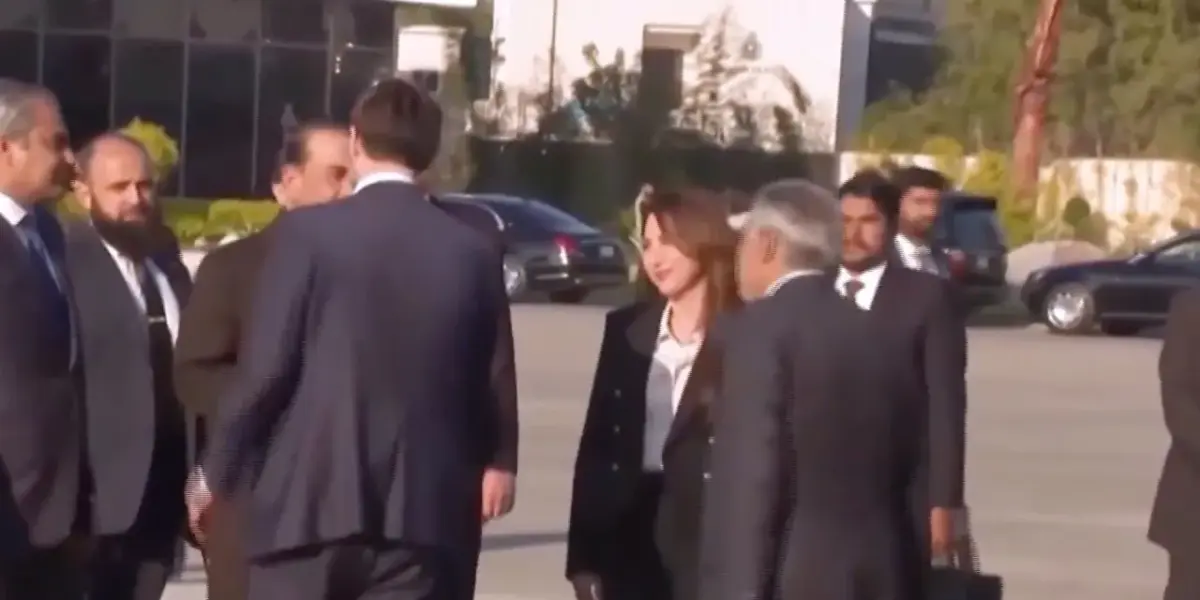
Pakistan Courts US Ties Amidst Iran Talks
Pakistan’s Interior Minister met with the U.S. Chargé d’Affaires, Natalie Baker, at the U.S. Embassy in Islamabad. This meeting signals ongoing diplomatic efforts between the two nations. Discussions centered on strengthening existing ties and planning for future high-level meetings.
A key topic of conversation was the upcoming second round of talks between the United States and Iran. These discussions, aimed at easing regional tensions, are set to take place in Islamabad.
While no specific start date was announced, preparations are actively underway. The Pakistani minister assured Baker that comprehensive security measures are being put in place for all visiting delegations.
Diplomatic Balancing Act
Pakistan has long sought to maintain a delicate balance in its foreign policy, particularly concerning its relationships with both the United States and Iran. The country shares a long border with Iran and has significant economic and cultural ties. Simultaneously, Pakistan relies on the U.S. for economic aid and military support, making a strong relationship with Washington crucial for its stability.
The U.S. also views Pakistan as a vital partner in regional security and counter-terrorism efforts. Washington has historically provided substantial assistance to Islamabad.
However, this relationship has seen periods of strain due to various geopolitical factors. The current meeting highlights a renewed effort to solidify this important alliance.
Regional Stability Focus
The planned U.S.-Iran talks in Islamabad are particularly significant. Iran is a major regional power, and its relationship with the U.S. has been fraught with tension for decades.
Any progress towards de-escalation could have a profound impact on the entire Middle East and beyond. Pakistan’s willingness to host these sensitive negotiations highlights its growing role as a diplomatic mediator.
Baker expressed appreciation for Pakistan’s role in easing regional tensions. This acknowledgment from a high-ranking U.S. diplomat is a clear indication of Washington’s recognition of Pakistan’s diplomatic contributions. It suggests that the U.S. values Pakistan’s ability to engage with a country with which the U.S. has complex relations.
Why This Matters
This meeting and the broader context of the U.S.-Iran talks matter because they highlight Pakistan’s strategic importance. As a large, nuclear-armed nation situated in a volatile region, Pakistan’s stability and its foreign policy choices have far-reaching consequences. Its ability to facilitate dialogue between major global powers can contribute to peace and security, not just regionally but internationally.
The strengthening of U.S.-Pakistan ties is important for economic development and counter-terrorism cooperation. For Pakistan, a stable relationship with the U.S. can unlock much-needed foreign investment and support for its economy. For the U.S., a cooperative Pakistan is essential for achieving its security objectives in a complex geopolitical environment.
Historical Context
Pakistan and the United States have a long history of cooperation, often driven by Cold War dynamics and later by the war on terror. During the Soviet-Afghan war, Pakistan was a key U.S. ally. More recently, the U.S. has relied on Pakistan for logistical support and intelligence sharing related to Afghanistan.
However, this relationship has not been without its challenges. There have been periods of mistrust and criticism from both sides.
Issues such as allegations of harboring militants and concerns over Pakistan’s nuclear program have sometimes strained diplomatic ties. The current engagement, therefore, represents an effort to navigate these historical complexities and build a more robust partnership.
Future Outlook
The successful hosting of the U.S.-Iran talks could significantly enhance Pakistan’s international standing. It would position Islamabad as a key player in global diplomacy. The ongoing dialogue between the Interior Minister and the U.S. Chargé d’Affaires suggests a commitment to sustained engagement and cooperation on shared interests.
The next steps will likely involve detailed planning for the security and logistics of the U.S.-Iran talks. Continued diplomatic exchanges between Pakistan and the U.S. are expected as they work to deepen their strategic partnership. The world will be watching closely to see how these diplomatic efforts unfold and contribute to regional stability.
Source: Pakistan’s Interior Minister Meets US Diplomat (YouTube)

Related Articles

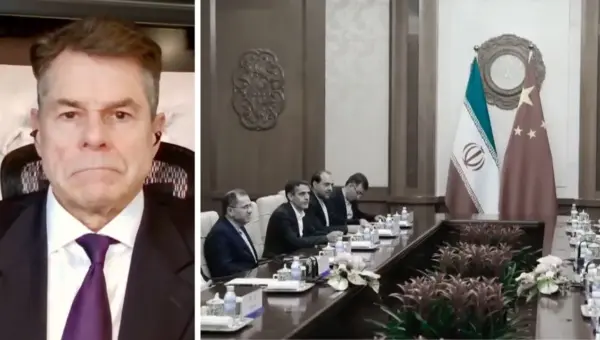
China Uses Iran as Puppet in Strait of Hormuz ‘Shell Game’
China is allegedly directing Iran's actions in the Strait of Hormuz, creating an energy crisis that chokes Chinese oil imports while China publicly calls for open passage. Experts describe this as a 'shell game,' where China plays both sides to appear as a peacemaker while advancing its own global ambitions and weakening the West through 'unrestricted warfare'.


Trump’s Iran Standoff: A Tightrope Walk to Nowhere
The U.S. faces a volatile situation with Iran, marked by Trump's inconsistent diplomacy and a search for cease-fire extensions. Internal administration turmoil and questionable reporting practices add to the chaos, while control of the Strait of Hormuz remains a key point of contention. This creates a dangerous stalemate with significant global economic and security implications.
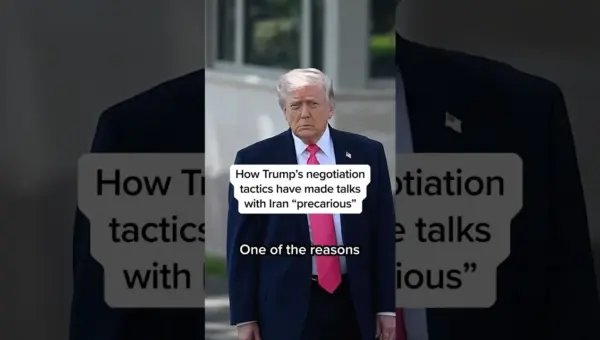
Trump’s Tactics Threaten Iran Peace Talks, Analyst Warns
Vice President JD Vance is set to lead new peace talks with Iran in Pakistan. Analyst David Rohde warns that former President Trump's unpredictable negotiation tactics may have created deep distrust, making current diplomatic efforts precarious. This history could force the U.S. back to square one in its quest for peace.