Marines Raid Ship: A Bold Move in the Arabian Sea
U.S. Marines seized an Iranian ship, the M/V Touska, in the Arabian Sea after a six-hour standoff. The USS Spruance disabled the ship's engines before Marines rappelled from helicopters to take control. This operation highlights ongoing regional tensions and U.S. commitment to maritime security.

Marines Raid Ship: A Bold Move in the Arabian Sea
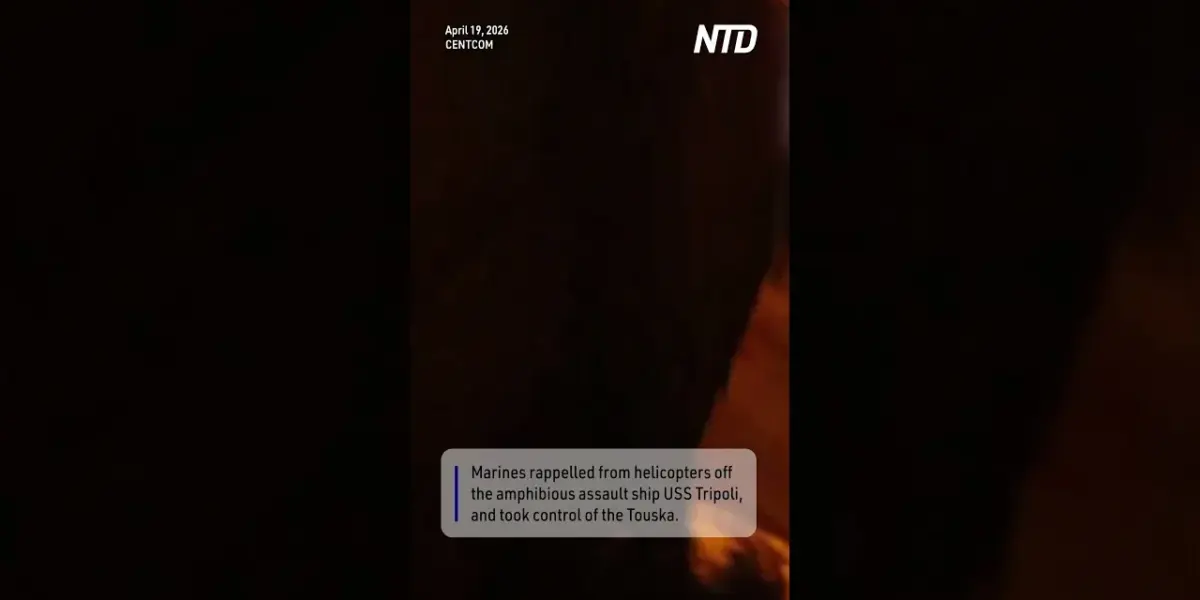
In a dramatic operation, U.S. Marines boarded and seized an Iranian-flagged ship, the M/V Touska, in the Arabian Sea recently. The action followed a six-hour standoff where the U.S. Navy vessel, USS Spruance, disabled the ship’s engines after repeated warnings. Marines then rappelled from helicopters onto the vessel, taking full control.
This bold seizure highlights the ongoing tensions and strategic importance of the Arabian Sea. It’s a critical waterway for global trade and military operations, making any disruption there a significant event. The U.S. Navy’s decisive action shows a willingness to enforce maritime security in a complex region.
Background: Why the Arabian Sea Matters
The Arabian Sea is a vital part of the Indian Ocean. It connects the Persian Gulf and the Strait of Hormuz to the wider world.
Many oil tankers and cargo ships pass through this area daily, carrying goods that power economies far beyond the region. Controlling or influencing this sea is strategically important for many nations.
Historically, this region has been a crossroads for trade and a site of naval competition. From ancient spice routes to modern oil shipments, the Arabian Sea has always been a key location. Naval powers have long sought to maintain a presence here to protect their interests and ensure freedom of navigation.
The Operation: A Calculated Risk
The operation itself was a complex military maneuver. The USS Spruance, a Navy destroyer, first disabled the M/V Touska’s engines.
This prevented the ship from escaping or resisting further. It was a non-kinetic way to gain an advantage before the boarding.
Following the disabling of the engines, Marines from the USS Tripoli, an amphibious assault ship, were deployed. They descended from helicopters onto the deck of the M/V Touska. This method of boarding is fast and effective, allowing forces to gain control quickly.
Potential Motivations and Implications
While the exact reasons for the seizure were not detailed in the initial reports, such actions often relate to suspected illicit activities. This could include smuggling weapons, illegal cargo, or supporting destabilizing forces in the region. Iran has been accused of supporting various groups that create instability in the Middle East.
The seizure sends a strong message about the U.S. commitment to maritime security. It also demonstrates the U.S. military’s capability to conduct complex operations far from its shores. Such actions can deter potential adversaries and reassure allies.
Regional Dynamics and Future Outlook
The Arabian Sea is a sensitive area where various international navies operate. Tensions between Iran and the United States, as well as other regional powers, are often high. This incident occurs within that broader context of geopolitical competition.
The incident could lead to increased scrutiny of shipping in the region. It might also prompt Iran to respond, potentially escalating tensions. The U.S. will likely continue to monitor maritime traffic closely, aiming to prevent illegal activities and maintain stability.
Why This Matters
This event is significant because it directly impacts global trade and regional security. The Arabian Sea is a vital artery for commerce, and disruptions here can affect economies worldwide. The U.S. military’s assertive posture in this region signals its intent to maintain freedom of navigation and counter threats.
For maritime security, this operation showcases advanced capabilities. It highlights how naval forces can conduct precise interventions in challenging environments. The successful seizure demonstrates a coordinated effort between different naval assets to achieve a specific objective.
The incident also highlights the complex relationship between the U.S. and Iran. Their interactions often play out on the global stage, with maritime incidents being a frequent feature. The outcome of such encounters can have ripple effects on diplomatic relations and regional stability.
Looking ahead, the focus will remain on maritime security in the Arabian Sea. Continued vigilance and strategic operations like this one will be crucial.
The goal is to ensure the free flow of commerce while addressing security concerns. The next steps will involve assessing the seized vessel and its cargo, and potentially any further diplomatic or military responses from involved parties.
Source: US Marines Seize Iranian Ship in Arabian Sea After Six Hour Standoff (YouTube)

Related Articles
US Navy Seizes Iranian Ship After Tense Standoff
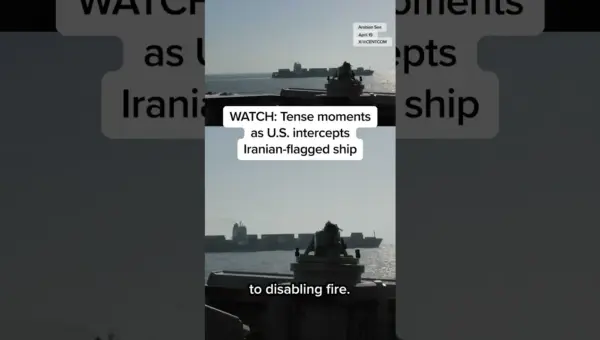
U.S. Navy forces seized an Iranian-flagged vessel after a six-hour standoff, during which the crew ignored repeated warnings. The ship is now in U.S. custody as part of ongoing port blockades. This incident highlights ongoing maritime security challenges in the Persian Gulf.
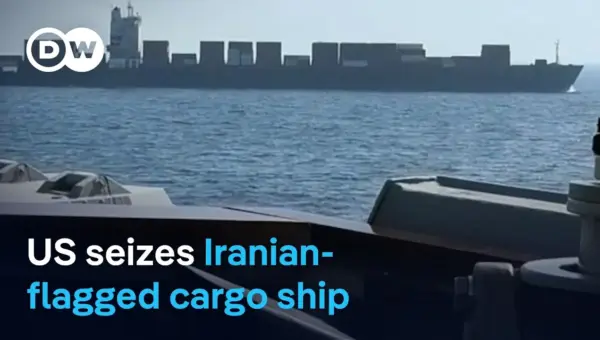
US Seizes Iranian Ship, Sparking Tensions and Oil Price Hikes
The US has seized an Iranian cargo ship, the Tauska, in the Gulf of Oman, escalating tensions and causing oil prices to surge. Iran has condemned the act as piracy and a violation of a ceasefire. Analysts suggest the seizure might push both sides toward diplomacy, though concerns remain about the potential for a superficial agreement.

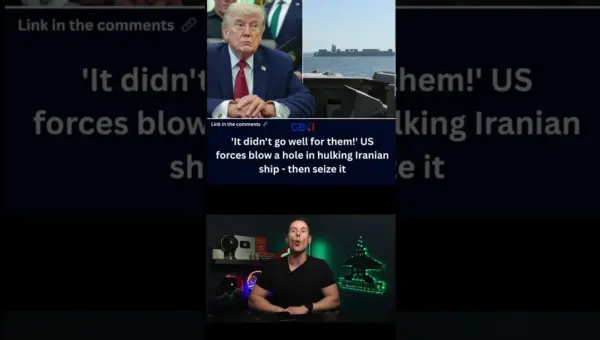
US Navy Blasts Iranian Ship Near Hormuz
U.S. naval forces seized the Iranian cargo ship Motor Vessel Touska near the Strait of Hormuz after a six-hour standoff. The USS Spruance disabled the ship with gunfire, and Marines from the 31st MEU took custody. This action escalates regional maritime tensions as a ceasefire deadline nears.