Trump Rewrites War Narrative, Blames Democrats for Failure
Donald Trump is blaming Democrats for a difficult situation with Iran, a move critics call a political tactic to deflect blame. This follows a pattern of cutting taxes, reducing benefits, and increasing debt, with blame then shifted to the opposition when things go wrong.

Trump Shifts Blame for Iran Standoff
Donald Trump is now pointing fingers at Democrats, claiming they are responsible for a difficult situation with Iran. This comes as the former president faces criticism over his foreign policy decisions. The current administration is working to manage a complex international relationship, but Trump suggests Democratic actions are undermining progress.
He argues that Democrats are actively trying to weaken America’s standing in relation to Iran. However, critics point out that the United States is not currently in a strong position with the country. Senator JD Vance’s recent negotiation attempts, for instance, reportedly yielded no significant results.
Questioning War Success Claims
The length and success of U.S. military engagements are often debated. When comparing current conflicts to historical ones like World War I, World War II, or the Vietnam War, the scale and duration are vastly different.
World War I lasted over four years, while World War II spanned six years. The Vietnam War, a particularly long conflict, continued for 19 years.
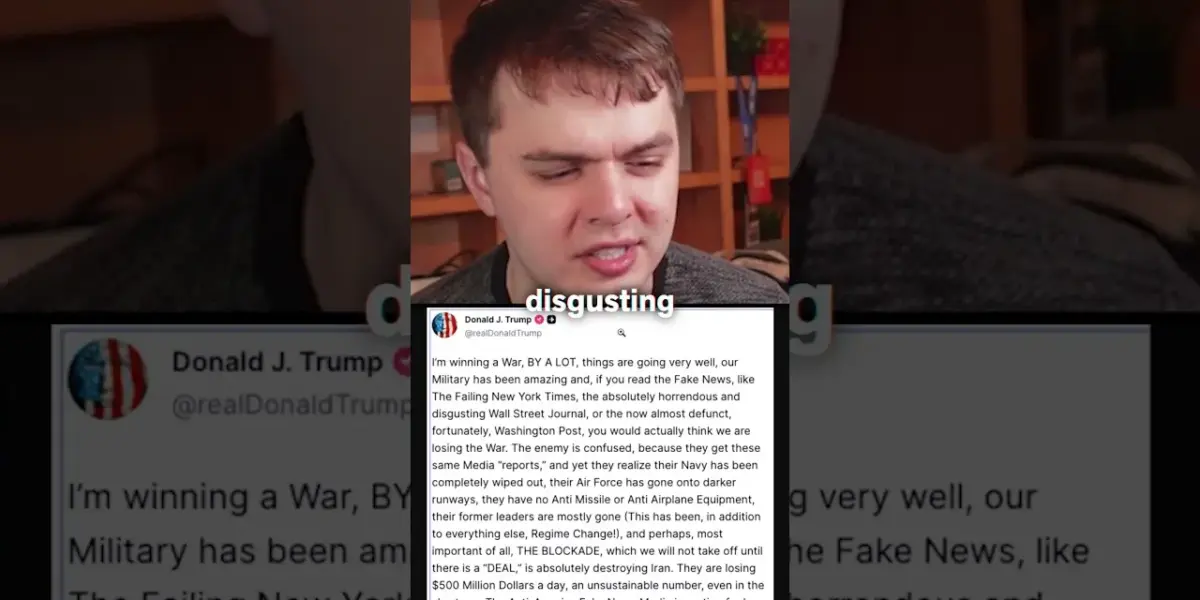
Against this historical backdrop, Trump’s claims of winning a war are being questioned. He has stated that things are going very well and praised the military’s performance. However, some news outlets report a different story, suggesting the war is not progressing as well as claimed.
Media Narratives and Political Playbooks
Trump has criticized certain news organizations, labeling them “fake news” for reporting on potential setbacks. He suggests that reading outlets like The New York Times, The Wall Street Journal, or The Washington Post might lead one to believe the U.S. is losing. This framing suggests a deliberate effort to control the narrative, contrasting with his preferred sources like Fox News and the New York Post.
This strategy appears to be part of a larger political pattern. It involves Republicans gaining power, enacting policies like tax cuts for the wealthy and reduced benefits for the less fortunate. This approach often includes increasing military involvement and expanding national debt.
The Cycle of Blame
The core of this political strategy, according to critics, is to blame Democrats when policies lead to negative outcomes for average Americans. Trump is seen as employing this tactic in real-time, adding his own unique style and grandiosity to the process. The aim is to deflect responsibility and shift focus away from the initial decisions made.
This method involves presenting a strong, confident image while simultaneously preparing a defense against potential failures. The underlying message is that any problems that arise are not due to the administration’s actions but rather the opposition’s interference. This approach seeks to maintain public support by creating an external enemy.
Why This Matters
Understanding these communication tactics is crucial for citizens trying to make informed decisions. When leaders shift blame, it can obscure the actual impact of policies on the economy and national security. It also makes it harder to hold those in power accountable for their actions.
This pattern of behavior can lead to prolonged conflicts or ineffective policies because the root causes are never addressed. Instead, the focus remains on political infighting and public perception. It creates a cycle where problems persist without real solutions being implemented.
Implications and Future Outlook
The long-term impact of such rhetoric can be a decline in public trust in both government and media. When facts are contested and blame is constantly redirected, it becomes difficult for people to discern truth from political spin. This can lead to increased polarization and a less engaged citizenry.
Moving forward, voters will need to critically evaluate claims made by political figures. The tendency to blame others for negative outcomes is a tactic that requires careful examination. It is essential to look beyond the surface-level accusations and understand the policies and decisions that led to the current situation.
Historical Context
Historically, political leaders have often used external threats or internal opposition to rally support or deflect criticism. This is not a new phenomenon. However, the speed and reach of modern media, particularly social media, allow these narratives to spread much faster.
The comparison to past wars highlights how rhetoric can be used to frame present events. Whether a conflict is perceived as a success or failure can depend heavily on how it is presented to the public. This makes the role of media and presidential communication particularly important.
Looking Ahead
The ongoing debate over foreign policy and the economy will likely continue. The effectiveness of the strategy to blame political opponents for setbacks will be tested in future elections and public opinion polls.
Citizens are encouraged to seek information from a variety of sources and analyze the evidence presented. The next steps in U.S. policy regarding Iran will be closely watched by both domestic and international observers.
Source: Trump Is Now Blaming Democrats for His War #politics #fyp #new (YouTube)

Related Articles


GOP Senate Hopes Fade as Trump’s Shadow Looms Large
Republicans are increasingly concerned about Democrats' chances of winning the Senate in November, largely due to Donald Trump's low approval ratings and struggles with independent voters. Key races in states like North Carolina and the overall political climate suggest a tough road ahead for the GOP as the election approaches.

Trump’s Pakistan Meeting Gambit Stalls Amidst Iran’s Demands
Donald Trump's reported attempts to negotiate with Iran via Pakistan are faltering as Iran insists on preconditions. Public statements from both sides reveal deep mistrust and conflicting narratives, particularly concerning the JCPOA and the blockade of the Strait of Hormuz.

Trump’s Iran Threats Expose Desperation Amidst Falling Approval
Donald Trump's recent online statements about Iran, including threats of "total destruction," have alarmed global leaders. These aggressive pronouncements come amidst low approval ratings and a complex geopolitical climate, raising concerns about potential escalation.