Iran Talks Stall as UAE Threatens Dollar Dominance
Diplomatic talks between the U.S. and Iran are stalled as Iran demands the U.S. lift its naval blockade. Meanwhile, the UAE has warned it may sell oil in Chinese yuan if U.S. policies harm its economy, potentially challenging dollar dominance. Rising energy costs are also causing panic within the White House ahead of elections.


Iran Talks Stall as UAE Threatens Dollar Dominance
Tensions are high as a critical diplomatic meeting between the United States and Iran faces significant hurdles. The Trump administration’s negotiating team is heading to Pakistan, but Iran has yet to confirm its participation, creating uncertainty around potential breakthroughs.
Sources suggest that Iran’s Foreign Ministry has stated talks will not resume unless the U.S. lifts its naval blockade and ceases issuing ultimatums. This demand highlights a deep rift and a lack of trust between the two nations. JD Vance, part of the U.S. delegation, is expected to travel to Pakistan soon, but the situation remains fluid.
The diplomatic standoff is happening against a backdrop of economic pressure. The United Arab Emirates (UAE) has reportedly sent a quiet warning to Washington. They indicated that if ongoing U.S. policies continue to harm their economy, the UAE might begin selling oil using Chinese yuan instead of U.S. dollars.
While such a move is considered unlikely, its potential impact is enormous. If the UAE were to follow through, it would directly challenge the global financial power of the U.S. dollar, a cornerstone of American economic influence for decades. This threat highlights the growing economic leverage of other nations and their willingness to explore alternatives to dollar-based trade.
Within the White House, there is growing concern about the rising cost of energy. Politico reports that strategists are increasingly worried about how these costs will affect voters, especially with upcoming elections. One individual close to the White House expressed significant anxiety, stating, “We are going to get killed” in the midterms due to these economic pressures.
In a separate development, businesses can now apply for refunds totaling $166 billion. This money represents illegal tariff revenue collected by the government.
However, consumers who ultimately paid higher prices due to these tariffs are not eligible for refunds. The White House has also not ruled out legal challenges to these refund payments, leaving the process uncertain.
Why This Matters
The potential breakdown of U.S.-Iran talks and the UAE’s economic warning are significant. They signal a shifting global power dynamic.
The U.S. dollar’s long-standing dominance in international finance is facing new challenges. This could lead to a less stable global economic system if major players diversify away from the dollar.
Rising energy prices directly impact household budgets and business costs. This can lead to inflation and decreased consumer spending, affecting overall economic growth.
For political leaders, managing these costs is crucial for maintaining public approval and electoral success. The current situation suggests a difficult period ahead for policymakers trying to balance economic stability and international relations.
Historical Context
The U.S. dollar has been the world’s primary reserve currency since the Bretton Woods Agreement in 1944. This status has given the U.S. significant economic advantages, including lower borrowing costs and greater influence in global affairs. However, for years, some countries have explored alternatives, especially after economic sanctions or trade disputes.
The current tensions with Iran are part of a long and complex history. U.S.-Iran relations have been strained for decades, marked by periods of direct confrontation and indirect conflict. The naval blockade mentioned is a tool of economic pressure, but it carries risks of escalation and international backlash.
The idea of countries trading oil in currencies other than the dollar is not new. Discussions about the petrodollar system’s future have been ongoing.
However, a coordinated move by major oil producers or traders like the UAE would be a major step. It would represent a significant challenge to the existing international financial order.
Implications and Future Outlook
If Iran refuses to engage in talks, it could lead to increased tensions in the Middle East. This region is vital for global energy supplies.
Any escalation could further disrupt oil markets and increase prices worldwide. The UAE’s potential shift to yuan-based oil sales, though a long shot, would signal a major rebalancing of global economic power.
The political fallout from rising energy costs could be substantial. If voters feel the pinch of higher prices, it could lead to significant shifts in political power.
This puts immense pressure on the current administration to find solutions, both domestically and internationally. The refund issue also highlights ongoing debates about fairness in economic policy.
The lawsuit filed by FBI Director Cash Patel against The Atlantic adds another layer of complexity. It touches on issues of press freedom and the reporting of alleged misconduct. The outcome of this case could have implications for how media organizations report on public figures and the legal challenges they might face.
Looking ahead, the next few days are critical. The success or failure of the Pakistan talks, the response from the UAE, and the government’s actions on tariff refunds will all shape the near future. The world is watching to see if diplomacy can prevail over conflict and if the dollar’s global standing will face a serious challenge.
Source: BREAKING NEWS UPDATES — 4/20/26 — 2:52pm ET (YouTube)

Related Articles


High Energy Prices Here to Stay, Expert Warns
High energy prices are expected to continue for the rest of the year, with no easy resolution in sight for the complex demands between the US and Iran. The economic fallout from this standoff will persist, impacting global markets and consumers.
US Eases Russian Oil Sanctions, Sparking Outrage in Ukraine
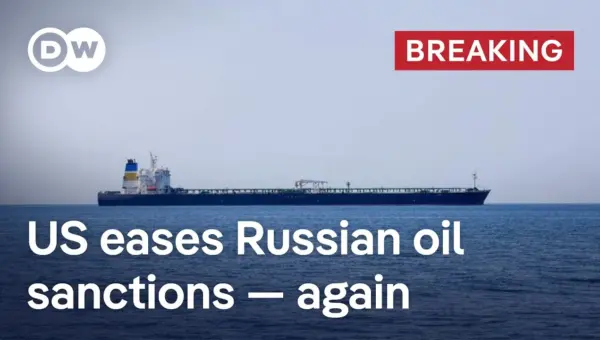
The United States has extended a waiver allowing sanctioned Russian oil to flow, drawing sharp criticism from Ukraine and European allies. Kyiv views the move as a financial boon for Russia, potentially undermining efforts to end the war. The decision comes amid volatile global energy prices and raises questions about the effectiveness of international sanctions.

US Eyes Iran Deal Amidst Shifting Diplomacy and Key Variables
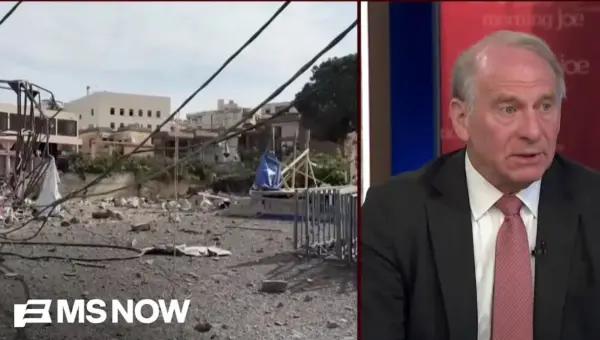
The White House is expressing optimism about reaching a deal with Iran to end the war, with mediators working behind the scenes. Key developments include a potential ceasefire agreement between Israel and Lebanon, though Hezbollah's exclusion is noted. Economic pressure through a blockade is seen as a significant factor, but major variables like President Trump and regional leaders introduce uncertainty.