China Cracks Down Hard Amidst Rising Unrest
China is facing a surge in public protests and acts of desperation. In response, the Chinese Communist Party is tightening control over the internet and intensifying surveillance. New laws and technologies are being used to monitor citizens and prevent dissent, signaling growing government fear.

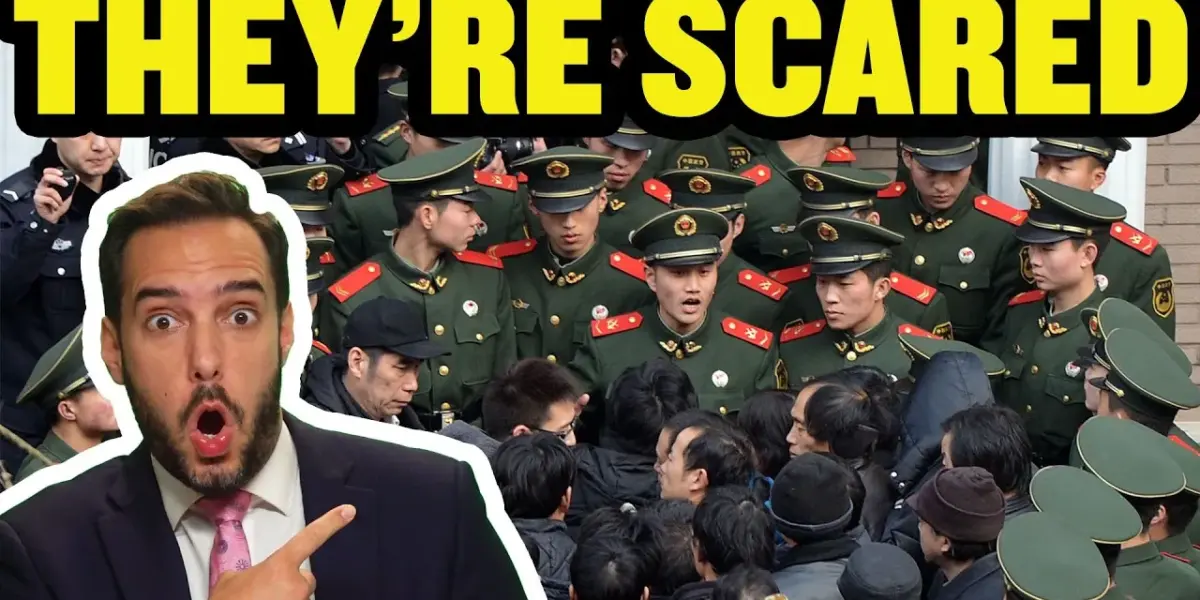
China Tightens Grip as Social Unrest Grows
Recent events in China reveal a government deeply worried about its citizens. Deadly attacks, like a stabbing in Shenyang and a bulldozer incident in Beijing, are being met with silence from authorities.
These acts, often called ‘Revenge Against Society,’ highlight growing desperation among those at the bottom. A Chinese dissident has tracked at least 12 such attacks since 2026, showing a worrying trend.
Instead of addressing the root causes like job losses and a struggling housing market, the Chinese Communist Party (CCP) is choosing to hide these incidents. Official responses are minimal, and online discussions are quickly removed.
The main goal is to prevent any spread of negative feelings and avoid blame for local problems. This focus on control shows how much the CCP fears this type of public anger.
Protests Surge, Sparking Government Fear
China is experiencing a significant rise in public protests. Freedom House reported a 44% jump in demonstrations in 2025 compared to the year before.
Many of these protests are by workers demanding unpaid wages. This suggests a large number of unhappy people across the country, leading the CCP to fear the start of a widespread revolt.
The government has a history of dealing with unrest. After the large ‘white paper’ protests in 2022 against COVID-19 rules, the CCP quietly made many protesters disappear.
Now, they are trying to stop protests before they even begin. This proactive approach involves new laws aimed at controlling online activity and information.
New Laws Target Online Dissent and VPN Use
Starting January 1st, China put a new version of its cybersecurity law into effect. In February, a draft law called the Cyber Crime Prevention Law was released.
These laws are designed to give the state much tighter control over internet access. They aim to block information from outside China and extend Beijing’s power over its citizens, even when they are abroad.
A Chinese patent for a system that can detect VPN use on individual devices also surfaced in March. Around the same time, budget reports showed a nearly 6% increase in funding for public security.
Chen Wongqing, a top security official, announced plans to closely watch certain groups to prevent extreme actions. Since his announcement on April 3rd, many people have reported being contacted by police after using VPNs.
Surveillance Intensifies Against Individuals and Companies
The CCP is increasing its surveillance of an already upset population. This crackdown is now targeting not just individuals but entire companies. On April 8th, China’s top internet regulator held a meeting to discuss identifying and stopping what the government calls ‘non-compliant overseas access.’ This includes data centers and telecom companies.
The new patent allows the CCP to pressure internet providers. These providers can now be held responsible if they fail to monitor VPN use or access to foreign websites. This move aims to create a situation where citizens have ‘nowhere to hide’ from government oversight.
Global Impact and Future Outlook
The CCP’s actions signal a significant tightening of control within China. By suppressing dissent and increasing surveillance, Beijing aims to maintain stability, but at the cost of individual freedoms. The focus on controlling information flows and punishing those who seek external data suggests a growing fear of outside influence.
This intensified crackdown could have wider implications. It may lead to increased isolation for China, as foreign companies and individuals face greater scrutiny.
The government’s efforts to build a more secure, closed digital environment could impact international business and communication. The success of these measures will depend on the population’s reaction and the resilience of those seeking to bypass government controls.
The intensified efforts to monitor and control online activity, coupled with the fear of social unrest, point to a government under pressure. The upcoming months will be crucial in observing how these new measures affect life within China and its relationship with the rest of the world. The next major step will be the implementation and enforcement of these new cybersecurity and cybercrime prevention laws.
Source: I’ve Never Seen the CCP This Scared Before (YouTube)

Related Articles


Trump Signs Surveillance Bill; Two Lawmakers Resign Amid Scandal
President Trump has signed a short-term extension for the controversial Section 702 surveillance program, while two U.S. Representatives, Eric Swalwell and Tony Gonzalez, resigned amid misconduct allegations. Meanwhile, a partial government shutdown affecting the Department of Homeland Security continues with little sign of resolution. Attention is also beginning to focus on potential 2024 presidential candidates, particularly governors facing re-election this year.


GOP Rebels Defy Trump on Surveillance Bill
Twenty Republican lawmakers defied President Trump this week, voting against a renewal of the Foreign Intelligence Surveillance Act (FISA). The dissent forced a short-term extension of the law and signals growing divisions within the GOP, raising questions about Trump's influence. This rebellion highlights internal power struggles and principled stands on surveillance within the party.


Spy Powers Extended; DHS Funding Stalls Amidst Controversy
Congress has approved a 10-day extension for Section 702 of FISA, a surveillance law, while debates on privacy continue. Meanwhile, a partial DHS shutdown persists as House Speaker Mike Johnson holds up funding until the Senate acts on border security measures. The week also saw resignations of two lawmakers due to misconduct allegations.