Bulgaria Votes: EU’s Poorest Nation Faces Moscow vs. Brussels Choice
Bulgarians are voting in a critical election that could redefine their country's ties with Russia and the West. With a pro-Russian former president leading the polls, concerns are rising in Brussels and NATO about the nation's geopolitical future and its susceptibility to Russian influence. Domestic issues like corruption and economic hardship also play a significant role in voters' decisions.

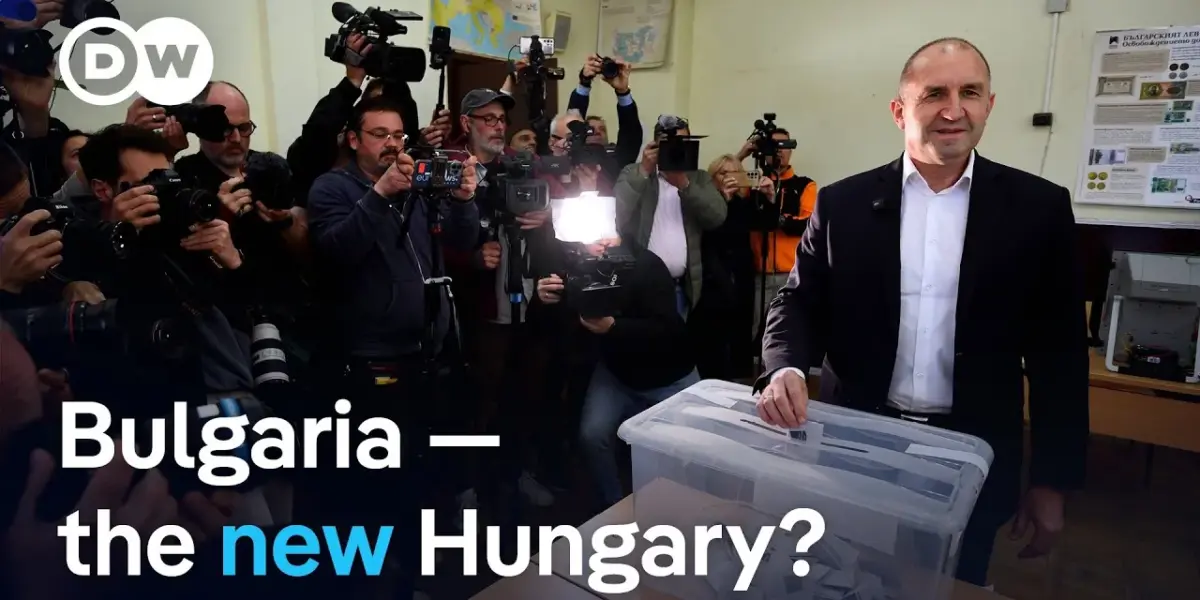
Bulgaria Heads to Polls in Crucial Election
Bulgarians are casting their votes in a parliamentary election, the nation’s eighth in just five years. The results could significantly alter the European Union’s poorest member state’s relationship with both Moscow and Brussels. European leaders are closely watching the outcome, as it has strategic importance for NATO and the EU due to Bulgaria’s location on NATO’s eastern flank, its Black Sea coastline, and its border with Turkey.
The election follows mass protests in January that led to the previous government’s collapse over a corruption scandal. This political instability, coupled with external influences, makes the formation of a capable government crucial for both domestic stability and European security.
Pro-Russian Candidate Leads Amidst Concerns
Former President Rumen Radev, a pro-Russian former fighter pilot, is the frontrunner in this election. While he has officially condemned Russia’s invasion of Ukraine, he has consistently opposed sending military aid to Kyiv. His views lean more favorably towards Moscow than most EU leaders, raising concerns in Brussels.
Radev’s potential victory could present another challenge for the EU, especially after Hungarian leader Viktor Orban, who also favored closer ties with Russia, was recently voted out of office. Radev has spoken of developing practical relations with Russia based on mutual respect and equal treatment, emphasizing historical ties and a need for future security agreements between Europe and Russia.
Rivalry with Pro-EU Veteran
Radev’s main competition comes from an alliance led by former Prime Minister Boyko Borissov. Borissov dominated Bulgarian politics for over a decade and is known for his pro-EU and pro-NATO stance. However, critics accuse him of fostering systemic corruption, a charge he denies.
This electoral contest highlights a deep division within Bulgaria regarding its geopolitical orientation. The choice between Radev’s Moscow-friendly approach and Borissov’s pro-Western alignment will shape the country’s future direction.
Expert Analysis: Russian Influence and Democratic Challenges
Dimitar Keranov, an expert on Bulgarian politics and democratization at the German Marshall Fund, explains why Bulgaria’s election matters beyond its size. “Bulgaria matters far more than just one election because it’s a country on NATO’s eastern flank, a member of the EU with the Black Sea coastline and the border with Turkey,” Keranov stated.
Keranov highlighted that Russian influence has been a significant challenge to Bulgaria’s democratic path since the fall of communism. He noted the presence of explicitly pro-Russian parties and the ongoing problem of Russian disinformation.
“If we take all of this in connection to Rumen Radev’s Progressive Bulgaria and what a Radev government would mean… This should be very concerning for Brussels,” he added.
Concerns for Brussels and NATO
The prospect of a Kremlin-friendly leader in a key EU and NATO member state is deeply unsettling for Brussels. While Keranov does not expect a fundamental shift in Bulgaria’s foreign policy due to its strong NATO and EU ties, he warns of potential rhetorical changes that could escalate. He drew parallels to the situation under Viktor Orban, suggesting that even a perceived danger could lead to unpredictable outcomes.
From NATO’s perspective, Bulgaria’s position on the alliance’s eastern flank is critical. Any questioning of aid to Ukraine or a shift towards Russia could create an uncomfortable image problem and potentially weaken NATO’s unity in a crucial region.
“When there is not enough unity, especially when it comes to Ukraine and to Russia’s threat… This should be highly disturbing,” Keranov commented.
Domestic Issues Drive Vote Amidst Geopolitical Tensions
Despite the international focus, many Bulgarian voters are motivated by domestic issues like the economy and political instability rather than geopolitics. Keranov explained that traditional left-right political divides have faded, with parties now often organized around strong leaders and geopolitical stances, particularly concerning Russia and Ukraine.
“Bulgaria economically has improved a lot since it joined the European Union, but still major issues remain. And I think also the economic problems are due to the corruption that I mentioned before,” Keranov said. He emphasized that systemic corruption, combined with economic hardships, significantly influences voter preferences.
Eurozone Entry Anchors Bulgaria to EU
Bulgaria’s recent entry into the Eurozone is seen as a significant milestone that further anchors the country within EU structures. This integration makes it harder for Russian influence to be effective and reduces a key avenue for Russian disinformation. Keranov noted that fears of economic collapse after joining the Eurozone did not materialize.
However, Keranov cautioned that combating Russian influence is an ongoing challenge. While Eurozone accession was a positive step, there is still a long way to go in strengthening Bulgaria’s democratic resilience and reducing external interference.
A Warning Sign for the EU?
Keranov views the Bulgarian election not necessarily as a geopolitical turning point, but as a warning sign about the impact of prolonged political instability and Russian influence within an EU member state. He stressed that Bulgaria’s dysfunctionality and its strategic importance mean that instability there affects the entire European Union.
“If one European Union member is unstable, and especially when we’re talking about Bulgaria which is a key strategically key NATO and EU member, I think the continued instability coupled with the unresolved issue of Russian influence and systemic corruption… If we ignore this more, we might wake up to a very uncomfortable situation,” Keranov warned. He urged against underestimating the dangers posed by pro-Russian politicians and any ambiguity regarding Ukraine.
Source: Bulgarians vote in high-stakes election | DW News (YouTube)

Related Articles
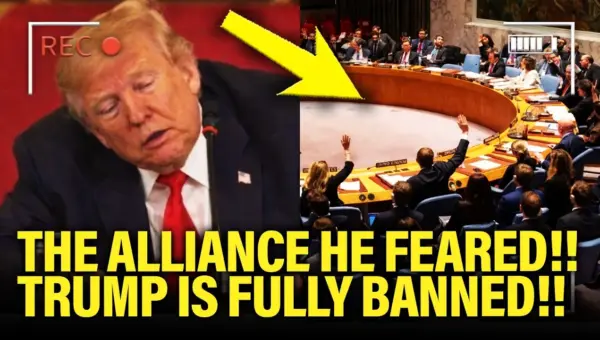
Global Leaders Shun Trump, Forge New Alliances Abroad
World leaders are increasingly excluding Donald Trump from international conferences, signaling a global pushback against his movement. Nations are exploring new alliances and security frameworks independent of the U.S., driven by concerns over American reliability and the rise of right-wing ideologies.

Iran Deal: A Risky Gambit or a Diplomatic Triumph?
President Trump claimed a major breakthrough with Iran, but conflicting reports and denials from Tehran cast doubt on the deal's finality. Experts warn of Iran's complex negotiating tactics, stressing the need for verifiable actions over mere words. The situation's outcome carries significant implications for regional stability and U.S. foreign policy.


Trump’s Iran Claims Ignite Crisis, Sparking Emergency Talks
Reports detail an emergency meeting convened by Donald Trump following Iran's denial of his claims about a trade deal. Iran has threatened to close the Strait of Hormuz, escalating tensions. Analysis suggests military pressure is unlikely to yield concessions from Iran, potentially leading to further confrontation.