Trump’s Iran Claims Ignite Crisis, Sparking Emergency Talks
Reports detail an emergency meeting convened by Donald Trump following Iran's denial of his claims about a trade deal. Iran has threatened to close the Strait of Hormuz, escalating tensions. Analysis suggests military pressure is unlikely to yield concessions from Iran, potentially leading to further confrontation.

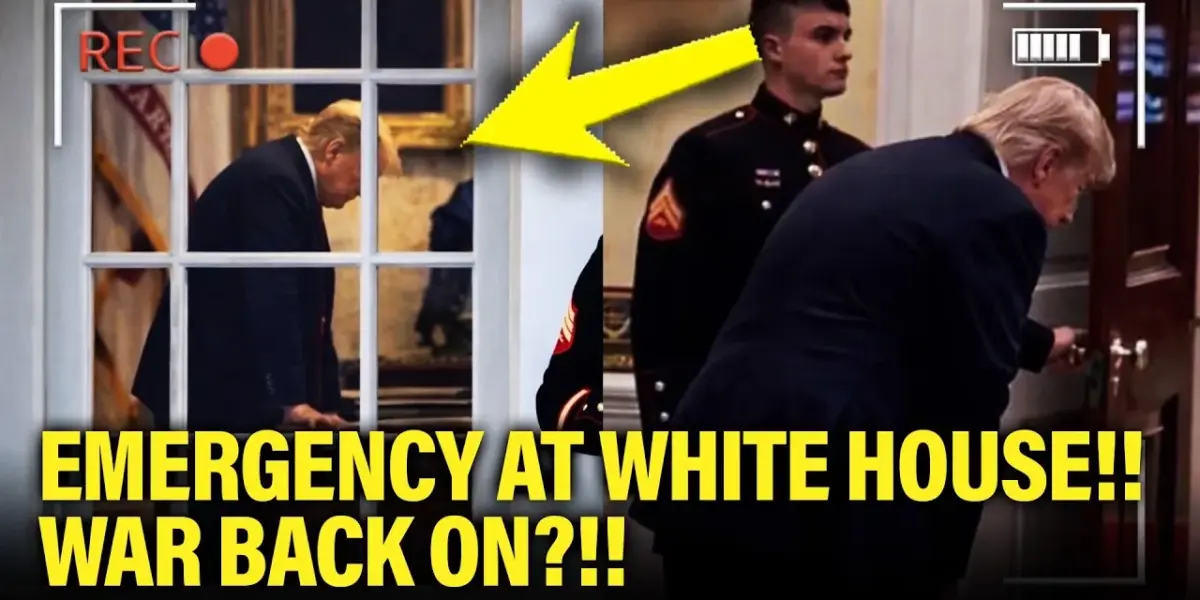
Trump’s Iran Claims Ignite Crisis, Sparking Emergency Talks
Reports indicate that Donald Trump convened an emergency meeting in the situation room with top cabinet officials. This urgent gathering followed Iran’s strong rejection of Trump’s public statements regarding a supposed deal to open trade and fully surrender. Iran asserted that no such agreement had been reached, and they remain committed to their existing 10-point negotiating framework.
According to the reports, Iran stated they would now completely close the Strait of Hormuz. Previously, as a gesture of goodwill, they had allowed some ships to pass through a coordinated route.
However, this decision has been reversed due to the United States’ continued naval blockade of the Persian Gulf and what Iran describes as Trump’s persistent falsehoods about their negotiating positions. Iran also claims that threats were made during a ceasefire period while negotiations were ongoing.
The Iranian Revolutionary Guard Corps announced that any tankers approaching the Strait of Hormuz would be fired upon. The transcript mentions two Indian tankers that were reportedly shot at after nearing the strait, believing they had permission to pass. Audio recordings were shared, allegedly from the Iranian Revolutionary Guard, warning ships that they would be shot or killed if they came too close, attributing these warnings to Trump’s tweets.
Situation Room Meeting and White House Concerns
The emergency meeting included officials such as JD Vance, Rubio, Hegith, Besson, Chief of Staff Susie Wilds, Steve Witco, CIA Director John Ratcliffe, and Chairman of the Joint Chiefs Dan Kaine. A senior U.S. official suggested that if a breakthrough with Iran is not achieved soon, conflict could resume in the coming days. Many in the Middle East are anticipating an escalation of tensions.
Following the meeting, Trump posted on social media, praising Israel as a great ally. This post contrasted with the situation regarding Iran, where he suggested others had shown their true colors during conflict. The timing of this post came after a press conference where Trump discussed signing an executive order on psychedelics with Joe Rogan, which some interpret as an attempt to divert attention from the Iran situation.
The transcript suggests that Trump’s earlier press conference was intended to distract from what is described as a brazen effort to manipulate markets by claiming a fake deal with Iran. While some news outlets published these claims, others, like the Midas Touch Network, urged a focus on the reality of the situation in the Strait of Hormuz and Iran.
Iran’s Response and Military Posturing
Iran’s social media accounts reportedly posted about what they called “Amateur hour diplomacy.” The Strait of Hormuz was declared closed by Iran following their announcement that only non-military vessels could pass through the Laric corridor, a route near Iran’s coast. Iran stated this corridor was for ships paying a toll.
The Iranian Revolutionary Guard Navy issued a statement warning that any vessel moving from its anchorage in the Persian Gulf or the Sea of Oman would be considered cooperation with the enemy and targeted if approaching the Strait of Hormuz. They declared that Trump’s statements had no credibility and that the Strait was closed until the U.S. naval blockade was lifted.
Statements from Iran’s parliament, including its national security commission and leader MB Galabaf, further refuted Trump’s claims. These officials described Trump’s assertions about uranium delivery, the reopening of the Strait, and the continuation of the American maritime siege as “April lies and fabrication.” Galabaf stated that Iran controls the Strait of Hormuz and responded decisively to U.S. actions, considering them a violation of a ceasefire.
Analysis of Iran’s Position and Future Outlook
According to an analysis cited, Iran believes it holds an advantage in a competition of pain tolerance with the United States and the international community. Threats of force are seen as unlikely to yield significant concessions, as Iran is expected to hold firm on its core positions, including control of the Strait of Hormuz, its ballistic missile program, and uranium enrichment.
The analysis suggests that maritime pressure from the U.S. is unlikely to force Iranian capitulation. Instead, it could lead to direct confrontation.
Interdictions of Iranian shipping might hasten escalation but not surrender. The current Iranian leadership is not expected to abandon its strategic goals, and limited strikes are unlikely to alter this course.
A broader campaign against Iran’s civilian infrastructure could severely damage its economy but would likely trigger widespread retaliation, especially against energy infrastructure in the Gulf. The analysis concludes that decision-making in Iran is becoming more fragmented and hardline, with military factions like the Islamic Revolutionary Guard Corps gaining influence, making compromise more difficult.
Why This Matters
The situation highlights the critical importance of clear communication and accurate reporting in international relations, particularly in volatile regions. Misinformation or perceived manipulation of facts can rapidly escalate tensions between nations.
This event highlights the complex dynamics of power and negotiation in the Middle East. Iran’s firm stance on its strategic interests, coupled with its military posturing, presents a significant challenge for U.S. foreign policy and military strategy.
The potential for renewed conflict in the Strait of Hormuz has global economic implications, given its importance as a major oil transit route. Any disruption could lead to significant price spikes and supply chain issues worldwide.
Historical Context and Background
The Strait of Hormuz has historically been a strategic chokepoint, and Iran has frequently used its control or the threat of its closure as leverage in geopolitical disputes. The U.S. naval presence in the Persian Gulf is a long-standing element of its regional security policy.
Past U.S.-Iran relations have been marked by periods of intense tension, including sanctions, military standoffs, and proxy conflicts. The current situation appears to be a continuation of these long-standing adversarial dynamics, amplified by the specific rhetoric and actions of the current U.S. administration.
Implications, Trends, and Future Outlook
The events suggest a trend towards increased confrontation rather than de-escalation. Iran’s internal political landscape, increasingly influenced by hardline elements, suggests a reduced likelihood of significant concessions in future negotiations.
The reliance on social media for direct communication by political leaders, as seen with Trump’s tweets, adds another layer of complexity and potential for miscalculation. This can bypass traditional diplomatic channels and lead to rapid shifts in public and international perception.
The U.S. faces a difficult choice between continued pressure, which risks escalation, or seeking a diplomatic resolution that may require accepting some of Iran’s core demands. The analysis presented suggests that military force alone is unlikely to achieve U.S. objectives without a significant, long-term commitment and a clear strategy for regime change, which appears unlikely.
The situation remains fluid, with the possibility of further escalation or a sudden diplomatic breakthrough. The coming days will be critical in determining whether tensions ease or intensify in the Persian Gulf region.
Source: Trump PANICS as SITUATION ROOM EMERGENCY CALLED!!! (YouTube)

Related Articles
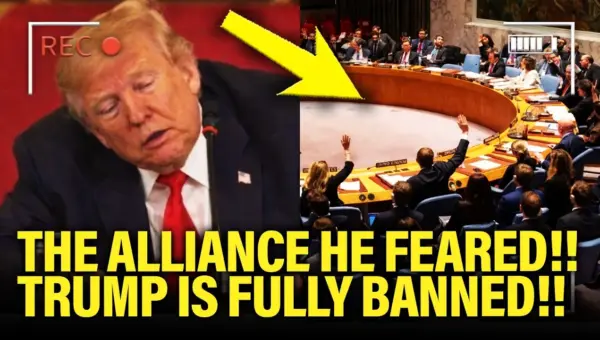
Global Leaders Shun Trump, Forge New Alliances Abroad
World leaders are increasingly excluding Donald Trump from international conferences, signaling a global pushback against his movement. Nations are exploring new alliances and security frameworks independent of the U.S., driven by concerns over American reliability and the rise of right-wing ideologies.


Strait of Hormuz Reopens, Easing Global Oil Fears
The Strait of Hormuz has reopened, potentially easing global economic pressures and lowering oil prices. Meanwhile, singer D4vd has been arrested on suspicion of murder, with new details emerging about the case. A broader investigation is underway into the suspicious deaths and disappearances of 11 scientists involved in sensitive US research.
Trump Taps Vaccine Advocate to Lead CDC, Shifting from Skepticism
President Trump has nominated Dr. Erica Schwartz, a vaccine supporter and former COVID-19 response official, to lead the CDC. This move signals a potential shift away from vaccine skepticism within his political circle. However, experts like Dr. Chris Pernell express cautious optimism, emphasizing the need for vigilance due to ongoing concerns about leadership influenced by anti-science views.