US Military Readies for Confrontation with Iran-Linked Ships
The U.S. military is preparing to board Iran-linked oil tankers in international waters, escalating tensions. This follows recent actions forcing ships away from the Strait of Hormuz. Public opinion in the U.S. shows divided support for the military action.

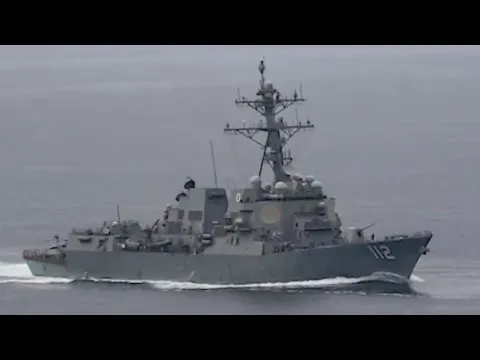
US Military Prepares to Board Iran-Linked Vessels
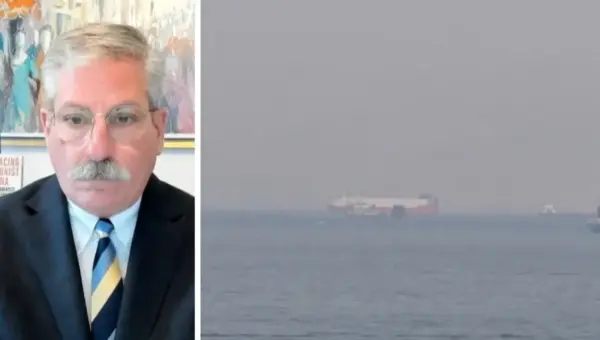
The United States military is reportedly making ready to board commercial oil tankers linked to Iran. These actions are planned for international waters in the coming days.
This comes as the U.S. military recently forced 23 ships to turn around near the Strait of Hormuz. A U.S. blockade remains in effect there.
Iran claims this blockade is why it has changed course and closed the waterway again. Reports indicate Iran has fired on ships attempting to cross this key oil transport route.
These escalations are the latest in ongoing tensions between the two nations. They also come just before a deadline for a potential peace deal.
President Trump has stated that Iran cannot be allowed to blackmail America. He has also criticized NATO for not offering help in the Strait of Hormuz.
Trump mentioned receiving a call from NATO asking if the U.S. wanted assistance. He stated he would have liked their help two months ago, but no longer wants it now.
International Relations Under Strain
These events raise questions about how voters view President Trump’s actions on the world stage. Some allies are reportedly feeling frustrated by the U.S. approach.
This frustration was highlighted by a Japanese reporter who spoke with President Trump. The reporter questioned why allies were not contacted first before U.S. actions were taken.
The administration maintains that a surprise element was necessary for a specific opportunity to target top leadership. They believe this allowed for many objectives to be met in one swift action. However, this justification has not eased concerns among allies or within the U.S.
Public Opinion and Political Strategy
A recent Politico poll shows that only 38% of Americans support the current military action in Iran. Some members of Trump’s base feel he has gone back on his promise to avoid new wars. With control of the House and Senate on the line in the upcoming midterm elections, some Republican candidates may need to distance themselves from these actions.
One perspective is that President Trump is moving away from direct military conflict towards economic and information warfare. This shift is seen by some as a positive step away from prolonged engagements. However, the effectiveness of information warfare is questioned in this context.
Uncertainty Ahead
The current cease-fire is set to end soon, adding to the uncertainty. It remains unclear whether the terms of the cease-fire will hold or if tensions will reignite. The coming days will be crucial in determining the next steps in this complex situation.
Why This Matters
The Strait of Hormuz is a vital waterway for global oil transport. Any disruption there can significantly impact oil prices and the world economy.
The increasing tensions between the U.S. and Iran create instability in a critical region. This situation also tests the strength of international alliances and the effectiveness of diplomatic strategies.
Historical Context
U.S. involvement in the Middle East has a long history, often centered around oil supplies and regional stability. Tensions with Iran specifically have been high for decades, marked by various incidents and diplomatic standoffs. The current events are part of this ongoing, complex relationship.
Implications and Future Outlook
The potential boarding of Iran-linked vessels could lead to direct confrontation. This would further escalate tensions and could have severe consequences for regional and global security. The reliance on surprise tactics in foreign policy raises questions about long-term strategy and the importance of allied cooperation.
The upcoming cease-fire deadline is a critical juncture. The outcome will depend on the decisions made by both the U.S. and Iran, as well as the involvement of international partners. The public’s support for military action also plays a role in shaping political decisions.
Looking Ahead
The situation remains fluid, with significant developments expected in the coming days. The effectiveness of current U.S. policy and its impact on international relations will be closely watched. A specific decision on boarding vessels is anticipated soon.
Source: US military prepares to board Iran-linked vessels | NewsNation Live (YouTube)

Related Articles

Navy Hunts Drug Smugglers: 6 Boats Down This Month
The U.S. military has intensified its fight against drug smugglers, striking six suspected drug boats this month. These operations, part of Operation Southern Spear, have resulted in the deaths of at least 17 individuals. No U.S. service members have been harmed.
Iran’s Leaders Play ‘Dance of Cobras’ Amidst Power Void
Iran's leadership is engaged in a dangerous internal power struggle, likened to a 'dance of cobras' around an empty chair. This division fuels uncertainty and impacts international negotiations, as different factions vie for control.

China-Iran Ship Deal Threatens Peace Talks, Experts Warn
Iran's recent actions near the Strait of Hormuz, including firing on tankers and boarding a ship with potential Chinese military links, threaten ongoing peace talks. Experts warn this could derail negotiations and escalate regional tensions.