Trump Kicks Press Out Amid Iran Strait Crisis
President Trump abruptly ended a press conference by removing reporters amid escalating tensions with Iran. Iran announced it was fully closing the Strait of Hormuz, citing US "bad faith" negotiations and "piracy." The events raise concerns about global stability and future diplomatic efforts.

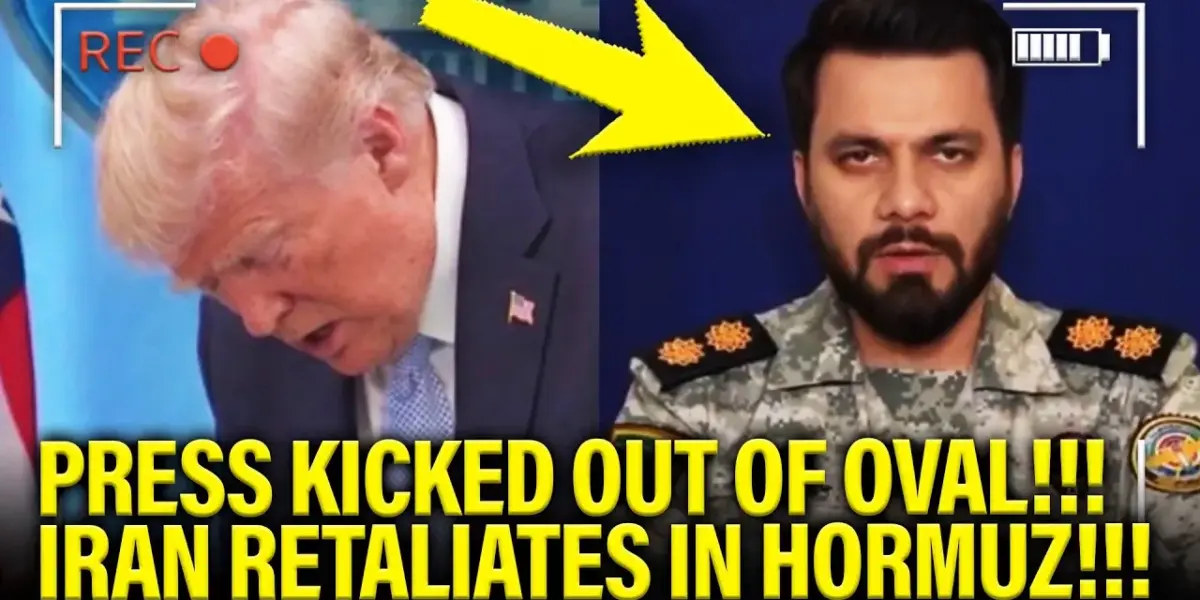
Trump Kicks Press Out Amid Iran Strait Crisis
President Donald Trump recently held a strange press conference in the Oval Office. He removed the press corps while they were asking questions about Iran. This happened on the same day Iran announced it was completely closing the Strait of Hormuz again.
Iran stated that the US, under Trump, had engaged in bad faith negotiations, misrepresented Iran’s positions, blockaded the Persian Gulf, and made threats. These actions, Iran said, made talks impossible.
Previously, Iran had allowed some ships to pass through the strait if they were coordinated. Now, that permission is gone. Ship trackers showed some vessels turning back suddenly.
Reports also indicated Iran fired at ships that initially ignored orders to return. Eventually, all ships were forced to go back to their starting points, and the Strait of Hormuz is now fully closed.
Iran’s leaders also stated they have no plans to meet with the United States before a ceasefire deadline this Wednesday. They are ready for war if Trump insists on not negotiating within Iran’s 10-point plan, which Trump had previously agreed to.
The press asked Trump about his claims that Iran was agreeing to joint military operations to secure nuclear material and stop funding groups like Hezbollah. Iran denied these claims, calling them false.
The press also questioned Trump’s assertions that the Strait of Hormuz would be fully open without Iranian control, which Iran also denied. Trump abruptly ended the questioning, telling the press to leave. This moment highlights the tension and confusion surrounding the situation.
A Distraction Tactic?
The press conference featured Joe Rogan in the Oval Office. Trump claimed he was signing an executive order inspired by Rogan.
Some observers believe this event, especially with Rogan present, was intended as a distraction from the escalating situation with Iran. Trump mentioned going on Rogan’s podcast, contrasting this with Kamala Harris not doing so.
Rogan spoke about sending information to Trump regarding the opioid crisis. He discussed the potential of the drug ibogaine to help with addiction.
Rogan explained that these drugs are illegal due to a 1970 law, which he argued was used to target social movements. He credited Trump and others for changes now being made.
Iran’s Response and Actions
While Trump was holding his press event, commercial vessels began reporting attacks in the Strait of Hormuz. Iran was attempting to close the strait again.
At least one ship, believed to be an Indian vessel, was hit by projectiles when it initially refused to turn back. Radio traffic indicated distress calls from the ship.
Iran confirmed the strait was closed. A spokesperson for the Iranian Revolutionary Guard stated that transit through the strait was now under strict military control due to repeated US violations and piracy. Iran’s leadership warned the US that it had ignored previous warnings and should now accept the strait’s return to its former status.
Iran’s FARS news agency reported that while they had previously allowed some ships to pass through the strait in a managed way, repeated breaches of trust by the US, including piracy under the guise of a blockade, led to this decision. Control of the strait has returned to its previous state under the strict management of its armed forces. Iran stated this would continue until the US stops its actions against Iranian vessels.
Media’s Role and Iran’s Message
Commentators noted that it is important to focus on what is actually happening, not just what Trump says. They accused Trump of lying and criticized some media outlets for acting as stenographers, repeating his claims without question. Reuters reported that Iran was broadcasting messages declaring the Strait of Hormuz completely closed again, with no vessels allowed to pass.
Iranian social media accounts posted messages like “The Strait of Hormuz is under new management. Passage fees apply.” They also alluded to potential financial gains from bets on falling oil prices just before the announcements, suggesting corruption. Iran’s social media also stated that no new talks with the US had been agreed upon, citing US pressure tactics and unreasonable demands.
Iran’s Stance on Negotiations and War
Iran’s deputy foreign minister, Sahed Kataba, stated that Trump talks too much and needs to think before speaking. He mentioned that if Trump truly wants war and does not intend to pursue a ceasefire or negotiate in good faith, Iran is prepared to defend itself. Kataba criticized the US for trying to sabotage diplomatic efforts with pressure and escalation.
He emphasized that diplomacy must prevail. Kataba also noted Trump’s contradictory statements and suggested the American people should decide if his words align with international law. Iran is prepared to defend its nation with all its might, stating that war is not a solution and the era of colonialism must end.
Historical Context and Future Outlook
The Strait of Hormuz is a vital chokepoint for global oil supplies. Its closure has significant implications for international trade and energy markets. Historically, Iran has used control over the strait as leverage in its disputes with the West.
The current situation echoes past tensions. Trump’s “maximum pressure” campaign against Iran has included economic sanctions and military posturing.
Iran’s response, including the closure of the strait, demonstrates its willingness to retaliate and disrupt global shipping. The upcoming ceasefire deadline adds urgency to the situation.
Trump’s approach to negotiations, often characterized by public pronouncements and demands, has been criticized by some diplomats as counterproductive when dealing with Iran. This strategy, combined with Iran’s own assertive stance, creates a volatile environment. The outcome of these negotiations, or lack thereof, will have far-reaching consequences.
Why This Matters
The events surrounding the Strait of Hormuz directly impact global energy prices and international security. The escalating rhetoric and actions between the US and Iran raise concerns about potential military conflict. The credibility of diplomatic channels is also at stake, as is the stability of a crucial global trade route.
The way these tensions are managed will shape future relations between the US and Iran, as well as influence regional stability in the Middle East. The effectiveness of international diplomacy versus unilateral pressure tactics is being tested. The world watches to see if a peaceful resolution can be found before the situation deteriorates further.
Iran’s Supreme Leader, Mojtaba Khamenei, has stated that the country’s navy is ready to inflict defeats on its enemies. This rhetoric, coupled with the actions in the Strait of Hormuz, indicates a serious escalation. The situation remains tense as the ceasefire deadline approaches on Wednesday.
Source: Trump PANICS and KICKS OUT PRESS as Iran RETALIATES!!! (YouTube)

Related Articles
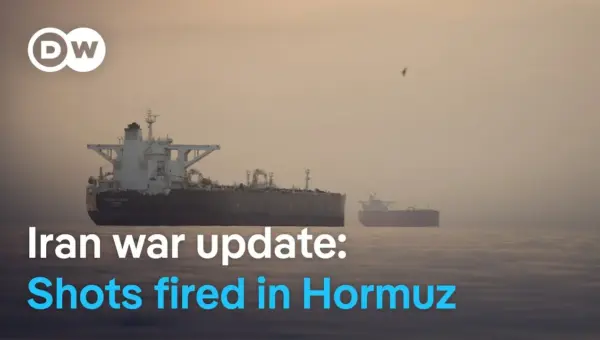
Iran Reverses Strait of Hormuz Reopening, Fuels Gulf Tensions
Iran has abruptly reversed its decision to reopen the vital Strait of Hormuz, hours after announcing it would allow maritime traffic to resume. Iranian gunboats reportedly fired on a tanker off Oman, fueling fears of escalating tensions. The move follows a fragile ceasefire in Lebanon, which experts suggest may be linked to the Hormuz situation.


GOP Faces Crisis: Trump’s Failures Threaten Election Wins
Republican strategists are increasingly worried that the party has accomplished little for the public. They fear Donald Trump's ongoing mistakes are costing them winnable elections. Independent voters, crucial in close races, are showing unease, making it hard for Republicans to craft a winning message.
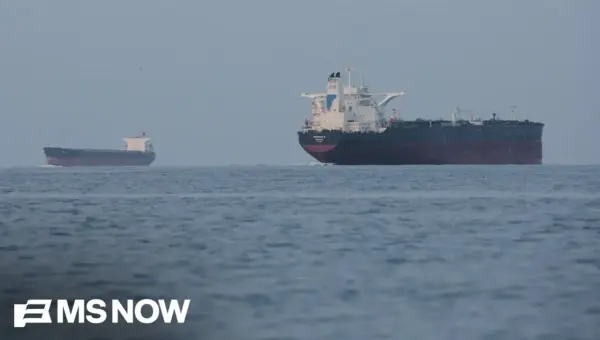
Iran Re-Imposes Strait of Hormuz Blockade Amid Tensions
Iran has reimposed restrictions on the Strait of Hormuz, citing the ongoing U.S. naval blockade. This reversal follows brief declarations of openness and comes amid multiple attacks on vessels in the waterway. The chaotic situation threatens fragile ceasefires and complicates ongoing diplomatic negotiations.