Ex-GOP Spokesman Asks: When Will Republicans Dump Trump?
A former Republican spokesman questions when the party will reach its limit with Donald Trump, suggesting voters will leave when their daily lives are directly impacted. He points to economic struggles and a disconnect between Trump's "America First" message and his actions as key factors. The article explores how voter apathy, driven by financial concerns, could affect election outcomes.

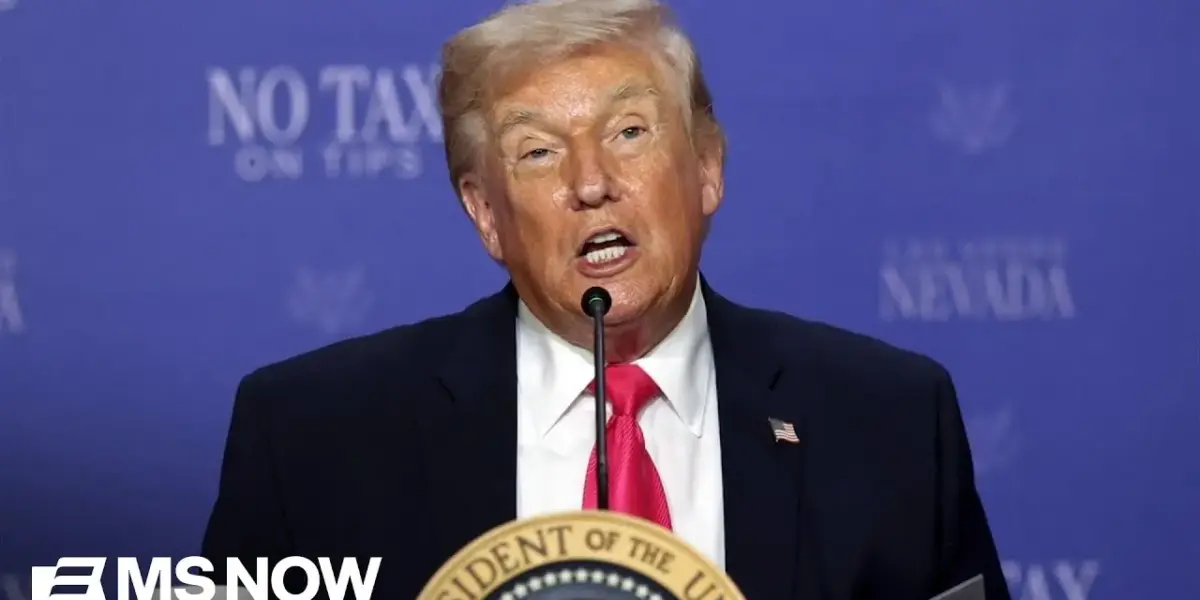
GOP Insider Questions Party’s Breaking Point on Trump
A former Republican spokesman is asking a question many are thinking: when will the Republican party find its limit with Donald Trump? He wonders how much trouble the party can handle before its members decide to leave him. The insider, speaking from Dallas, Texas, a traditionally conservative and pro-Trump area, believes the breaking point for voters will come when their daily lives are directly and noticeably affected.
Voters Feel Economic Pain, Not ‘Darkness’
The idea that “democracy dies in darkness” doesn’t resonate with everyday people, the former spokesman explained. Most voters are focused on practical matters like the cost of filling their gas tanks or buying coffee. They also notice when their stock portfolios swing wildly, making it hard to understand the economy.
When Trump talks about “America First,” but then pursues actions like annexing Greenland or intervening in Venezuela and Iran, it doesn’t align with that message. This disconnect between Trump’s slogan and his actions is becoming a problem for him. He is being judged against his own past promises and words.
Election Results Show Voters Slipping Away
The results since 2024 suggest that Trump’s core voters are not as enthusiastic as they once were. While Democrats have gained many seats, Republicans have gained none. This indicates that the voters Trump used to rely on are not showing up for him anymore.
Some analysts have noted that in the past, these voters sometimes returned. However, it’s a big question mark whether that will happen this time.
The rising cost of everyday items like gas and groceries is a major concern for voters. If these prices don’t improve, it could significantly impact election outcomes.
Trump’s Strategy: The ‘Kool-Aid Man’ Approach
Donald Trump’s political style is compared to the Kool-Aid Man, always bursting through when cornered with something new to distract people. The real issue isn’t whether voters will leave Trump, but if they become so discouraged by their financial struggles that they simply stay home. This economic despair, driven by the cost of essentials like gas and groceries, could keep them from voting.
As summer approaches, families want to afford summer camps and vacations for their children. If these plans shrink from week-long trips to short local outings, or if summer camp becomes a few days at home instead of a program elsewhere, people will get angry. This anger might not turn them into Democrats, but it could lead to widespread voter apathy.
Appealing to Disaffected Voters
Research shows that Republican-leaning independents are divided on many issues, including wars. About half approve of Trump’s handling of conflicts, while nearly half disapprove. For Democrats looking to win over these voters, the message needs to be about allowing them to participate without demanding they change their core beliefs.
Democrats are not asking people to change their party registration or abandon their long-held views. Instead, they are trying to create an environment where voters feel comfortable supporting Democratic candidates for specific issues or elections. This approach aims to bring back a sense of normalcy and reason to politics.
A Call for Sane Politics
The speaker believes the political system works best with two healthy, sensible parties that follow traditional rules. He recalls a time when Michael Steele led the Republican Party, suggesting that he might still be a Republican if that era had continued. The goal is to invite people to help return their party to a more stable place.
The path forward requires sending a clear message that the current direction is not sustainable. It involves giving people the freedom to vote with the Democratic party for a single election without judgment. This means moving away from strict requirements and “all or nothing” thinking.
Looking Ahead
The discussion highlights a potential shift in voter behavior, where economic hardship might lead to disengagement rather than party switching. The upcoming election will show if this trend continues and if voters prioritize economic relief over party loyalty.
Source: ‘What is the off-ramp for Trump?’: Ex-GOP spokesman questions the party's breaking point on Trump (YouTube)

Related Articles

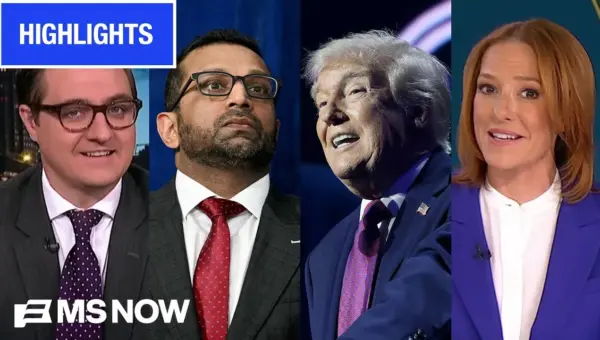
Strait of Hormuz Reopens Amid Shifting Power Dynamics
The Strait of Hormuz has reportedly reopened, with President Trump claiming credit amid complex negotiations with Iran. Meanwhile, explosive allegations surface regarding FBI Director Cash Patel's conduct, and Defense Secretary Pete Hegseth faces ridicule for quoting Pulp Fiction at a prayer service. These events raise significant questions about leadership and stability within the administration.
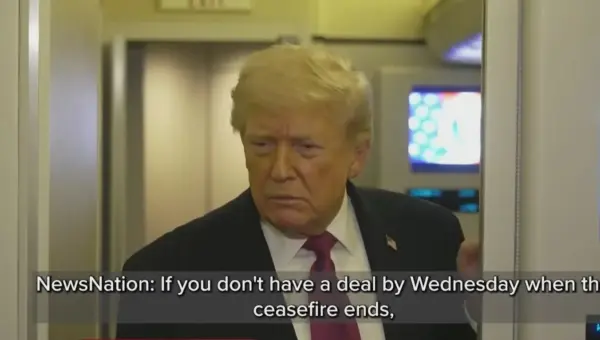
Trump’s Threats: Iran Deal Deadline Looms
As a critical ceasefire deadline looms, President Trump has issued stark warnings to Iran about potential military action if a nuclear deal isn't reached. The U.S. maintains a naval blockade, while diplomatic efforts continue amidst fragile regional stability. The outcome in the coming days will significantly impact Middle Eastern security.


Trump’s Catholic Allies Uneasy Over Pope Attacks
Donald Trump's recent attacks on Pope Francis have created discomfort among his Catholic allies, who feel "squeamish" about the rhetoric. Meanwhile, escalating tensions with Iran have led to the closure of the Strait of Hormuz, complicating ongoing peace talks and creating an unpredictable diplomatic landscape.