Israel’s North: Ceasefire Hopes Meet Deep Skepticism
Residents in northern Israel are reacting to the recent ceasefire with a mix of hope and deep skepticism. Many feel disappointed, believing the truce might only be a temporary pause in the conflict. There are strong calls for Israel to act from a position of strength, not weakness, to ensure lasting security.


Northern Israel Reacts to Ceasefire with Mixed Feelings
Residents in northern Israel are reacting to the recent ceasefire with a mix of hope and deep skepticism. Many feel disappointed, especially those who have lived through years of conflict and rocket fire.
They wished for a better outcome not just for Israel, but for the world. The fragile peace brings little comfort to those who have endured constant fear.
The sentiment on the ground is that this ceasefire might only be a temporary pause. Some believe it could simply postpone another round of fighting.
This feeling stems from a long history of unresolved tensions and past conflicts. The hope for lasting peace is overshadowed by the reality of ongoing instability.
Calls for Strength, Not Surrender
There’s a strong desire among some residents for Israel to act from a position of strength. They emphasize that any agreement should not involve giving up land or concessions.
Instead, they want to see Israel project power and assert its presence. This approach, they believe, is the only way to ensure security and respect.
This perspective suggests that true peace can only be achieved from a position of power. It’s about showing resolve and deterring future aggression.
The idea is to demonstrate that Israel is in control of its territory and its destiny. This is seen as crucial for long-term stability.
A History of Conflict and Uncertainty
The current situation in northern Israel is deeply rooted in decades of conflict with Hezbollah. The border region has been a flashpoint for numerous skirmishes and larger confrontations.
This history has bred a sense of caution among the local population. They have learned to be wary of any promises of peace.
The constant threat has significantly impacted daily life for communities living near the border. Many have been displaced, forced to leave their homes and livelihoods behind.
The psychological toll of living under the threat of rocket attacks and potential ground invasions is immense. This has created a deep-seated sense of unease.
International Perspectives and Hopes for Stability
Internationally, the ceasefire is viewed with cautious optimism. While it offers a potential de-escalation, there are concerns about its long-term effectiveness.
Analysts point out that the underlying issues driving the conflict remain unresolved. This raises questions about how sustainable the current calm will be.
The international community hopes that this ceasefire will lead to a more stable situation. However, the path to lasting peace in the region is fraught with challenges.
Diplomatic efforts are ongoing, but progress has been slow. The focus remains on preventing a wider conflict while addressing the root causes of the tensions.
Looking Ahead: What Comes Next?
As the ceasefire takes hold, all eyes will be on the actions of both Israel and Hezbollah. The coming weeks will be critical in determining whether this pause in hostilities can be sustained. International mediators are expected to continue their efforts to broker a more permanent agreement.
The residents of northern Israel will be watching closely, hoping for a genuine end to the violence. Their experiences have taught them to be prepared for any eventuality. The future of the border region hinges on the ability of all parties to commit to a path of de-escalation and dialogue.
Source: Reactions to ceasefire in Israel's north | DW News (YouTube)

Related Articles

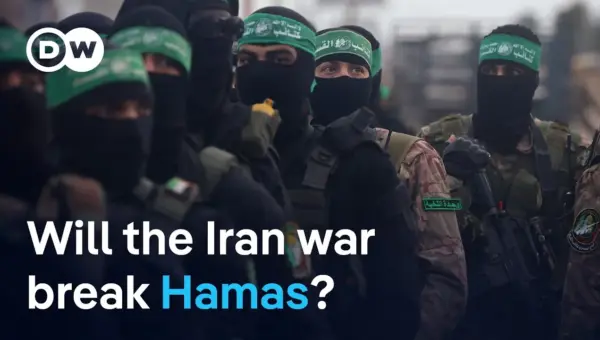
Hamas Faces Pressure Amid Iran Conflict, Gaza Crisis Worsens
Six months into a fragile ceasefire, Hamas faces significant pressure due to the regional conflict involving Iran, while the humanitarian crisis in Gaza deepens. Political analyst Yaser Abu Musa describes Hamas as weakened and using the suffering of Gazans as leverage. The group is at a crossroads, needing pragmatic decisions to remain relevant amidst shifting alliances and internal divisions.


Iran’s Brutal Regime Faces Global Scrutiny Amid Ceasefire Hopes
Reports detail Iran's brutal crackdown on protesters, with executions looming, while a potential ceasefire between Israel and Lebanon offers a path to regional stability. Domestically, concerns over massive fraud schemes and calls for accountability are intensifying, with questions raised about transparency and the role of investigative journalism.

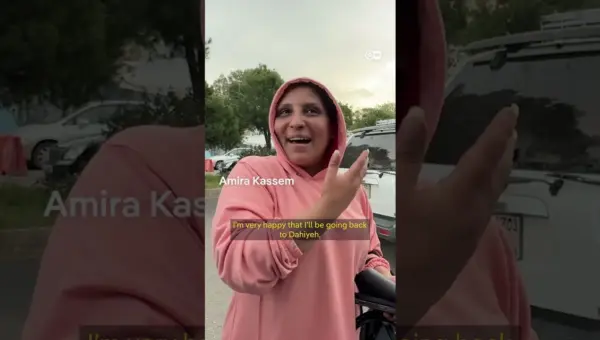
Beirut Suburbs Breathe Easier After Ceasefire, But Damage Lingers
Residents of Beirut's southern suburbs are cautiously returning home following a ceasefire, but many face destroyed homes and lingering insecurity. Despite a fragile calm, the Lebanese Armed Forces reported ceasefire violations and urged caution. The community faces immense challenges as they begin the difficult process of rebuilding and seeking normalcy.