Starship Ignites All 33 Engines in Historic Test
SpaceX has achieved a major milestone with its Starship program, successfully firing all 33 Raptor engines on the Super Heavy booster for the first time. Ship 39 also completed its own static fire test. The week also saw Falcon 9 launches, updates on Artemis II, and progress from Blue Origin.

Starship Ignites All 33 Engines in Historic Test
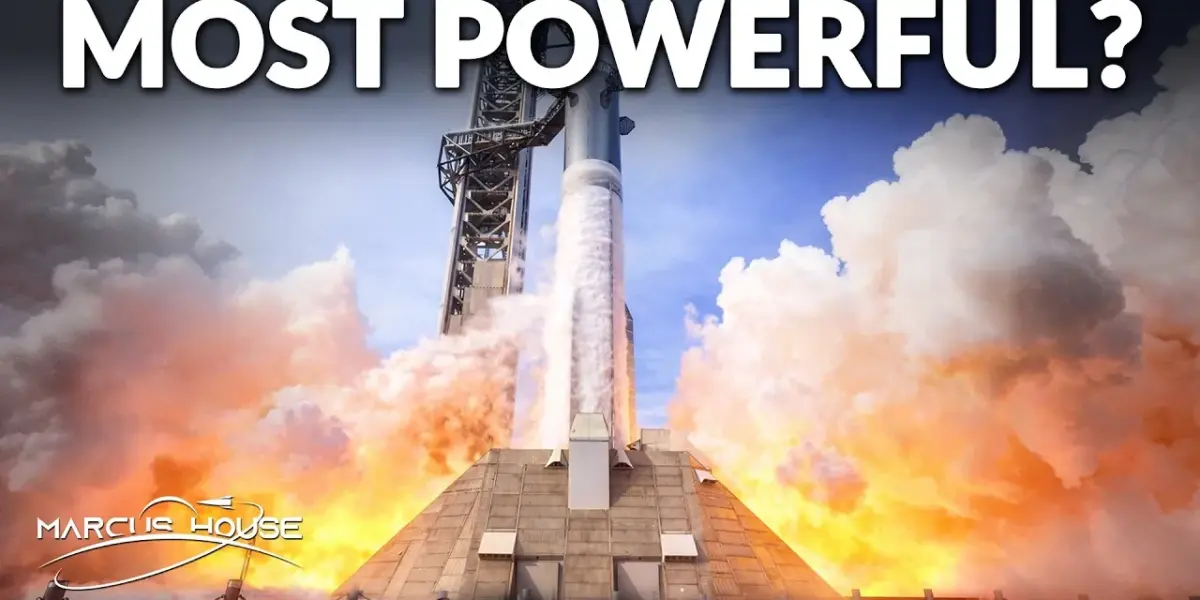
SpaceX has achieved a major milestone with its Starship program, successfully firing all 33 Raptor engines on the Super Heavy booster for the first time. This event marks a significant step forward for the massive rocket designed for deep space missions.
The Super Heavy booster, designated Booster 19, was equipped with all 33 of its powerful Raptor 3 engines. These engines are an upgraded version, lighter and more efficient than their predecessors. The test occurred at SpaceX’s Starbase facility in Texas, a crucial site for the development of Starship.
Starship’s Engine Power Unleashed
The static fire test, which lasted for three seconds, generated an estimated 8,240 tonnes of thrust. This incredible power makes it likely the most powerful rocket test in history. The Raptor 3 engines are designed to be more robust, with cooling channels running the full length of the engine for better heat management.
This test follows weeks of preparation and smaller engine tests. SpaceX has been systematically testing individual engines and groups of engines on Booster 19. The successful ignition of all 33 engines shows the progress made in integrating and controlling this complex system.
Ship 39 Also Shows Its Might
Alongside the Super Heavy’s success, the Starship vehicle, Ship 39, also completed its own static fire test. This test involved six Raptor engines, including three sea-level engines and three vacuum engines. The engines fired for a full 60 seconds, demonstrating the ship’s readiness.
These successful static fires are critical for gathering data and ensuring the vehicles are ready for their first orbital flights. The goal is to eventually achieve tower catches for both the ship and the booster, a feat that requires a perfectly functioning heat shield.
Broader Space News: Falcon 9 and Artemis
The past week has also been busy for SpaceX’s workhorse rocket, the Falcon 9. It launched Northrop Grumman’s Cygnus XL cargo spacecraft to the International Space Station. This mission, CRS-24, carried over 11,000 pounds of supplies, including a new module for the Cold Atom Lab.
The Falcon 9 booster for this mission, Booster 1094, successfully landed for its seventh time at Landing Zone 40. SpaceX also conducted two Starlink missions, deploying 29 satellites from one launch and 25 from another. One Falcon 9 booster, 1082, achieved its 21st landing during a Starlink mission, showcasing remarkable reusability.
In other news, NASA’s Artemis II mission concluded with the Orion spacecraft’s return to Earth. While the mission was a success, initial reports suggest some issues with the Orion’s heat shield that will require further investigation. The recovery process was more complex than SpaceX’s typical splashdowns, reminiscent of the Apollo era.
Details are emerging about the damage to the mobile launcher at Kennedy Space Center following Artemis II. While less severe than after Artemis I, significant repairs are still needed, including welding warped structures and fixing elevator doors. NASA aims to have Artemis III launch within a year, requiring continued optimization of the launch system.
Blue Origin’s New Glenn and Lunar Ambitions
Blue Origin is preparing for the third flight of its New Glenn rocket. The first stage, which previously flew on the second mission, has been refurbished and is ready for launch. While the engines from the second flight will not be reused this time, they are slated for future missions.
The company is also developing an ‘Air Pioneer’ system designed to extract oxygen and other resources from lunar regolith. This technology could be crucial for future lunar bases, reducing the need to transport supplies from Earth. The system is planned to be tested on a Blue Moon lander.
The first Blue Moon Mk-1 ‘Endurance’ lander has completed thermal vacuum chamber testing and is preparing for its flight. Blue Origin is increasing production of these landers, with a second one named ‘Permanence’ already in the works.
What Comes Next
With both Starship Ship 39 and Booster 19 having completed successful static fire tests, they are nearing their first integrated flight. The next major step will be to stack the ship and booster together, followed by further tests before an actual launch attempt. This could be just a few weeks away, signaling an end to the long wait for Starship’s orbital debut.
Source: They Finally Lit All 33… This Was Insane! (YouTube)

Related Articles

Artemis III’s Moon Landing Faces Tight Schedule
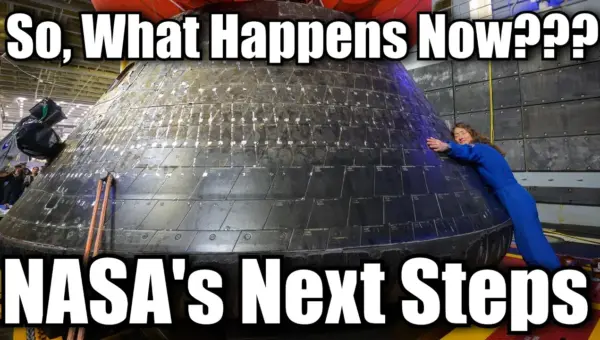
The Artemis III mission, aiming to land humans on the Moon, faces a challenging timeline. Key uncertainties include the readiness of Human Landing Systems from SpaceX and Blue Origin, and the assembly schedule for the Space Launch System rocket. While uncrewed lunar missions continue, the path to a human lunar landing remains complex.


Musk’s Security Bill Tops $3 Million Annually
Elon Musk's personal security expenses have surged past $3 million annually, covering a detail of 20 armed guards. This significant increase followed a serious security incident near Tesla headquarters, escalating from an initial team of two. The guards provide constant protection across all aspects of Musk's life.
Space Tech Fuels Global Economy: $455B Invested Since 2009
The global economy is powered by an 'invisible backbone' of space technology, with $455 billion invested since 2009. Recent government directives and a surge in private funding highlight the sector's growing importance. Key areas include infrastructure, distribution, and emerging markets like space stations.