Nature’s Prescription: Green Spaces Boost Health, Study Shows
New research highlights the profound impact of nature on human health, showing that access to green spaces significantly reduces risks of mental illness and cardiovascular disease. Studies reveal that even simple interactions, like viewing nature or smelling forest scents, can lower stress and boost immune function. Experts emphasize that nature is not just a luxury but a vital component of public health, echoing the vision of early reformers like Octavia Hill.

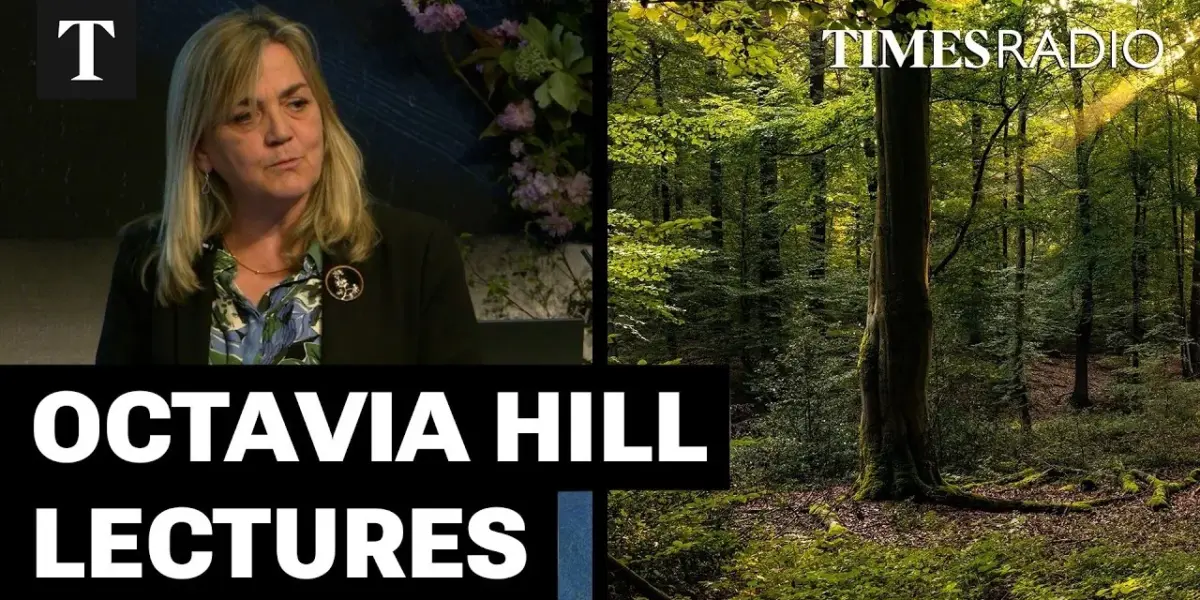
Green Spaces Linked to Better Health
New research reveals a strong connection between access to nature and improved physical and mental well-being. Studies show that spending time in green areas can reduce stress, lower the risk of illness, and even boost cognitive function.
Early Clues from Hospital Views
The link between nature and healing was first noticed decades ago. A 1984 study in the journal Science examined patients recovering from gallbladder surgery. Those whose hospital rooms overlooked trees recovered faster, needed fewer painkillers, and reported feeling better than patients looking at a brick wall.
This finding surprised researchers, showing how even a simple view of nature could impact a person’s health. It sparked a deeper investigation into the powerful effects of the natural world on our bodies and minds.
Green Spaces Cut Mental Illness Risk
More recent research, published in The Lancet in 2023, looked at over 2.3 million adults in Wales over a 10-year period. Scientists mapped how close people lived to urban green spaces and compared this to their mental health records.
The study found that people living closer to nature had a lower chance of developing mental illnesses that often require prescription drugs. For every 360 meters people lived further from green space, their risk of mental health issues increased.
Importantly, the benefits were even greater for people from lower income backgrounds. This suggests that access to nature is crucial for mental health, especially for those who may have fewer resources.
Nature’s Impact on Physical Health
The benefits of nature extend beyond mental health to physical well-being. A large study in Toronto, Canada, mapped every single tree in the city. Researchers then compared this data with the health records of over 31,000 people.
Residents living on streets with more trees reported significantly fewer heart attacks and strokes. They also rated their overall health perception much higher.
A broader analysis in 2024 reviewed studies from 18 countries, covering more than 100 million individuals. This large-scale review confirmed that areas with more greenery showed a 2-3% lower risk of death from heart disease and stroke. While this percentage might seem small, it represents millions of lives saved, highlighting nature’s significant role in public health.
Octavia Hill’s Vision: Nature on Our Doorstep
The idea that nature is essential for health is not new. Octavia Hill, a social reformer and co-founder of the National Trust in the UK, championed this view over a century ago.
She strongly believed that access to local green spaces was vital for the physical, psychological, and moral health of people, particularly the urban poor. Hill argued that green spaces needed to be close to home, not miles away, to be truly accessible and beneficial.
She wrote, “We want besides places where the long summer evenings or the Saturday afternoon may be enjoyed without effort or expense.” Her vision emphasized the need for easy, affordable access to nature for everyone.
Exploring Nature’s ‘Green Senses’
To understand how nature benefits us, researchers are looking at how our senses interact with the environment. These interactions are grouped into what are called ‘green senses’: sight, smell, sound, touch, and even taste.
Sight: The Power of a Green View
Studies show that simply looking at nature can have immediate effects. A brief 90-second view of a forest scene on a computer screen reduced stress markers in the brain compared to looking at urban images.
Even a small amount of nature, like a vase of roses on a desk, can improve calmness. Research found that people who had roses on their desks showed physiological signs of relaxation, with the most stressed individuals experiencing the greatest calming effects.
Color also plays a role. Experiments using ivy leaves of different colors found that green and yellow hues led to greater relaxation and increased attention, suggesting that the colors of nature have a direct impact on our mood and focus.
Sight and Cognitive Function
Looking at nature can also boost our thinking abilities. Even a short 50-second break looking out a window can improve performance on tasks afterward. This is because our focused attention gets a mental rest.
This effect has been seen in children too. A study in Barcelona found that students who could see green spaces from their classroom windows performed better on cognitive tests. The amount of greenery visible from the classroom was more important than the green space on the way to school.
Smell: Nature’s Stress Reliever
The scents from plants, known as volatile organic compounds, can also impact our health. Compounds like pinene, found in pine forests, and limonene, from citrus fruits, have strong effects on our bodies.
Research involving cypress oil, rich in these compounds, showed significant reductions in stress hormones like adrenaline. Even more remarkably, the study found a large increase in natural killer (NK) cells in the blood.
NK cells are crucial for fighting off cancer and virus cells. This suggests that the smell of nature can boost our immune system’s ability to protect us. Studies in Taiwan showed that people living near forests had higher NK cell levels, and a 5-day forest walk significantly increased these protective cells, with benefits lasting for days afterward.
The Environmental Microbiome
Our bodies host a vast community of microorganisms, known as the microbiome, which plays a key role in health. Spending time in natural environments, like forests, meadows, and grasslands, can expose us to a diverse range of beneficial bacteria.
This exposure helps to increase the diversity of our own internal microbiome. A more diverse microbiome makes us better equipped to handle various health challenges and strengthens our immune system.
Nature Therapy vs. Conventional Treatment
A study at the University of Copenhagen compared nature therapy with cognitive behavioral therapy (CBT) for people suffering from severe mental stress. Participants were split into two groups: one received 20 sessions of CBT, while the other spent time in university gardens three times a week for 10 weeks.
Both methods were found to be effective in reducing physician visits and helping people return to work. However, the nature therapy group showed a longer-term benefit, with 77% still at work 18 months later, compared to 60% from the CBT group.
This suggests that spending time in nature can offer lasting positive effects, potentially offering a more sustainable solution for mental health challenges than traditional therapies alone.
Nature: Essential, Not Optional
Interacting with nature offers three main health benefits: reducing harm by lowering stress, building resilience through immune support, and restoring capacities like attention and emotional balance.
With non-communicable diseases like heart disease, respiratory issues, and mental illness causing 71% of global deaths, nature is presented not just as a pleasant amenity but as an essential part of healthcare.
Pioneers like Octavia Hill understood this long ago, fighting for urban green spaces. Today, policies aim for everyone to be within a 15-minute walk of nature, recognizing its critical role in building healthier communities and lives.
Source: The National Trust Octavia Hill Lecture in collaboration with Times Radio (YouTube)

Related Articles


Psychedelics for Vets: Trump Signs Order to Speed Care
President Trump signed executive orders to accelerate access to psychedelic treatments for mental health issues, especially for veterans. The move aims to speed up FDA reviews, clear bureaucratic hurdles, and expand "Right to Try" access for experimental therapies like Ibo gain, which has shown significant promise in early studies.


Trump Signs Order to Speed Up Psychedelic Drug Access
President Trump has signed a new executive order designed to accelerate access to psychedelic drug therapies for mental health conditions. The initiative prioritizes research and FDA review for treatments showing promise, particularly for veterans. Key officials and advocates, including Robert F. Kennedy Jr. and Joe Rogan, were present for the historic signing.


Trump’s Late-Night Posts Signal Troubling Mental State
Donald Trump's late-night Truth Social posts, often occurring in the early morning hours, are raising significant concerns about his mental well-being. The sheer volume and erratic nature of these postings suggest a mind under considerable strain, prompting questions about his fitness for leadership.