US Actions Spark Global Despair, Undermining World Order
US foreign policy is causing global suffering and undermining international stability, according to a critical analysis. The article argues that Americans are detached from the real-world consequences of their government's actions, which include economic devastation and potential famine for millions worldwide. This approach is eroding global trust and questioning the future of the 'American experiment'.

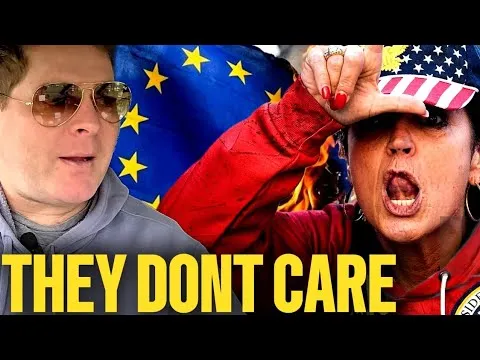
US Actions Spark Global Despair, Undermining World Order
The United States’ recent foreign policy decisions are causing widespread suffering and instability around the globe, according to a critical analysis of American actions. This approach is not only harming other nations but also damaging America’s own standing and long-term interests. The video transcript argues that the U.S. is actively setting back global progress, likening its actions to driving a “flaming taco truck” into vital international systems.
A key concern highlighted is the devastating human cost of U.S. policies. The transcript points to a past U.S.-led action that resulted in an estimated 650,000 deaths, with a staggering 500,000 of those being children. This tragic toll raises serious questions about the justification and consequences of American interventions, suggesting that ignorance is no longer a viable excuse for the public.
Ignoring Global Realities for Domestic Comfort
The analysis suggests that many Americans are disconnected from the real-world impact of their government’s policies. Instead of engaging with complex global issues, the public is urged to look beyond partisan media outlets like Fox News and CNN. The argument is that ordinary working-class Americans share more common ground with people in other countries than with their own political and business leaders, who are seen as detached from the concerns of everyday citizens.
A recent event described as a “victory lap” in Washington D.C. Is presented as an example of this disconnect.
This celebration, fueled by what the transcript calls “lies from the White House,” was based on a false narrative of Iran’s complete surrender and capitulation regarding the Strait of Hormuz. The reality, according to the analysis, is that U.S. actions are not restoring American dominance but are instead spreading instability like a virus, harming allies and partners.
Economic Fallout and Human Suffering
The transcript criticizes the tendency for Americans to measure geopolitical events solely by their impact on domestic gas prices. This perspective overlooks the severe economic consequences faced by other nations. For instance, the blockade of the Strait of Hormuz, a critical shipping lane, threatens to cause widespread famine, with an estimated 45 million people facing starvation within the next year.
This situation is exacerbated by the U.S. decision to blockade the strait, effectively turning away from international cooperation. This action has led to a loss of trust, making the U.S. appear as an unreliable actor on the global stage. Allies in Asia and Australia are facing severe fuel shortages, with their economies and stability hanging in the balance.
A World on the Brink
The article paints a stark picture of the global situation, urging Americans to imagine the panic of widespread shortages. Empty grocery store shelves and a lack of basic necessities are becoming a reality in many parts of the world, a direct consequence of U.S. foreign policy decisions. The analysis questions the benefit to the American public, especially when historical precedents, like the Iraq War’s justification based on weapons of mass destruction, suggest caution.
A lack of widespread public outcry in the U.S. since the Vietnam War is attributed to a culture of consumerism and individualism. The transcript argues that this detachment prevents Americans from understanding the severity of the global crises they are contributing to. This lack of awareness, coupled with educational shortcomings, makes informed decision-making difficult for the general population.
Declining Trust and Failed Experiment
The transcript suggests that the U.S. is losing its credibility internationally. When other nations cannot trust American commitments, diplomatic and economic partnerships suffer. This erosion of trust is particularly damaging at a time when global cooperation is desperately needed to address shared challenges.
The article touches upon a growing disillusionment within the United States. Many Americans are reportedly checking out of the “American experiment,” with increased numbers seeking to leave the country or becoming conscientious objectors in the military. This sentiment suggests a widespread feeling that the nation’s founding ideals are no longer being upheld.
A Call for Global Solidarity
The analysis contrasts the American approach with that of allies like Canada, NATO, and the EU, which are characterized by a sense of collective responsibility and a “we” versus “me” mindset. The U.S. is accused of being willing to harm the rest of the world for a chance at self-preservation, a stance that is ultimately self-defeating.
Even claims of American energy independence are challenged, with the transcript noting reliance on countries like Canada for crucial energy resources. Similarly, much of the U.S. food supply depends on imports, highlighting a deep interdependence that U.S. policies ignore. The article concludes by questioning the morality of prioritizing American well-being at the expense of global suffering, labeling such a belief as a significant part of the problem.
The article ends by posing a stark question: Is it worth it for everyone else in the world to suffer so that America might be fine? If the answer is yes, then the U.S. bears significant responsibility for the world’s current crises.
Source: Americans Don't Care That Your Country is Collapsing (USA Vs. The World) (YouTube)

Related Articles
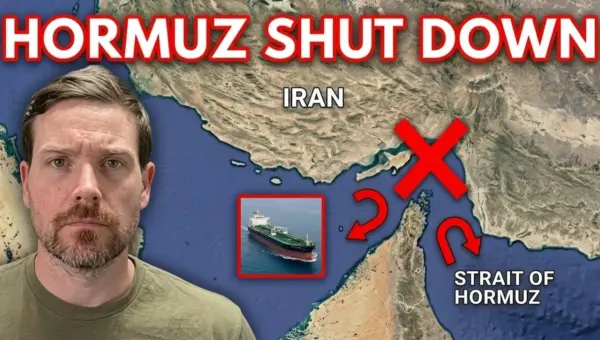
Iran Reclaims Hormuz; US Claims Unravel
US claims of a resolved conflict with Iran and an open Strait of Hormuz are being challenged by Iranian military actions and statements. Discrepancies in official narratives, concerns about market manipulation, and confusing sanction policies raise serious questions about US strategy and communication.
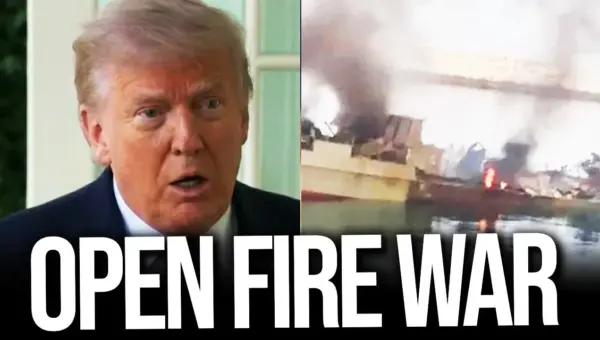
Iran Fires on Ships, Reclosing Key Strait; Trump’s Promises Unravel
Iran has reopened fire on ships in the Strait of Hormuz, effectively closing the vital waterway again. This follows a promise by Donald Trump that the Strait was open, but Iran claims the US broke its agreement to lift a blockade.


Global Leaders Shun Trump, Forge New Alliances Without U.S.
World leaders are increasingly excluding Donald Trump from international meetings, signaling a shift away from U.S. leadership. Nations are forging new alliances in Europe and Asia, with China stepping into diplomatic voids. This trend suggests a more multi-polar world order is emerging.