Iran Reclaims Hormuz; US Claims Unravel
US claims of a resolved conflict with Iran and an open Strait of Hormuz are being challenged by Iranian military actions and statements. Discrepancies in official narratives, concerns about market manipulation, and confusing sanction policies raise serious questions about US strategy and communication.

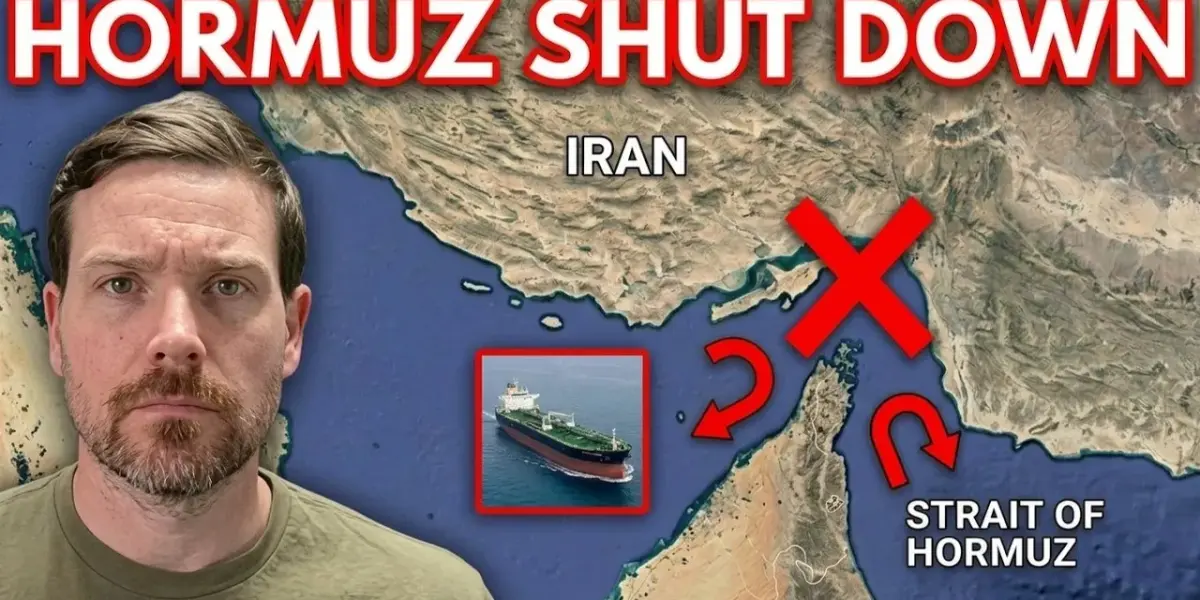
Iran Reclaims Hormuz; US Claims Unravel
Recent declarations from the US President suggested a swift end to the conflict with Iran, claiming all US demands had been met and that the Strait of Hormuz was open. However, events on the ground paint a starkly different picture, raising serious questions about the accuracy of official statements. The situation in the vital Strait of Hormuz, a key global oil shipping route, remains tense and under Iran’s strict military control.
Iran’s military spokesperson stated that passage through the Strait of Hormuz has returned to its previous state of strict military control. This action was attributed to repeated violations and piracy by the United States under the guise of a blockade. This declaration directly contradicted the President’s assertion that the situation was over and that Iran would never use the strait as a weapon again.
The spokesperson for the Iranian military clarified that Iran considers the blockade an act of war and will not open the strait until it is lifted. Even statements announcing the Strait’s opening indicated that passage would be subject to Iran’s monitoring and approval by the IRGC. This suggests that the US claim of an open Strait was not entirely accurate at the time it was made.
Discrepancies in Official Narratives
An Iranian parliament speaker further challenged the US President’s claims, stating that all seven assertions made within an hour were false. He warned that such falsehoods would not lead to victory in the war or success in negotiations. The speaker emphasized that if the blockade continues, the Strait of Hormuz will not remain open, and movement will be governed by designated routes and Iran’s approval.
The reality on the ground appears to diverge significantly from the official US narrative. Reports suggest that the statements coming from Iranian leadership have been more consistent and truthful over time than those from the United States. This lack of trust in official government statements forces a closer examination of actual events.
The author expresses frustration with the need to question official pronouncements, stating a preference for not having to lie to the American people. The argument that deception is necessary to mislead adversaries is seen as a poor strategy if it’s the only option available. The constant stream of conflicting information makes it difficult to ascertain the true state of affairs.
Market Manipulation Concerns
A significant concern raised is the potential for market manipulation tied to these announcements. There are suggestions that major announcements, like the declaration of the Strait of Hormuz being open, may have been timed to coincide with significant trading activity. This could allow certain individuals to profit substantially before the market reacts to the actual reality.
The video points to a specific instance where oil prices dropped significantly immediately following the announcement, leading to substantial financial gains for some. This raises ethical questions about prioritizing market profits over the safety and well-being of service members operating in active war zones. The author questions whether such announcements serve strategic interests or are primarily aimed at influencing financial markets.
Nuclear Program Standoff
Regarding Iran’s nuclear program, the US President repeatedly claimed that Iran would hand over its nuclear material without any payment. However, Iranian news agency Tasnim, quoting the foreign ministry, stated that enriched uranium is considered sacred and will not be transferred under any circumstances. This directly contradicts the US assertion.
Iran has also indicated that it has not agreed to the next round of negotiations due to the US maritime blockade and what it perceives as excessive demands. The country is reportedly unwilling to waste time on lengthy and unproductive talks. This suggests a significant impasse in diplomatic efforts.
Sanctions on Russian Oil Renewed
Adding to the complexity, the US extended sanctions on Russian oil, a move that has significant implications. This decision appears to contradict previous statements made by Treasury Secretary Scott Besson, who had explicitly stated that waivers on Russian oil would not be renewed. This creates confusion about the consistency of US foreign policy.
The decision to allow countries to purchase Russian oil loaded after a certain date has drawn criticism from US lawmakers. They argue that these waivers benefit the economies of countries like Iran and Russia, which are involved in conflicts that are detrimental to US interests. This move complicates Washington’s relationships with its allies and undermines efforts to cut off revenue streams for Russia’s war in Ukraine.
Why This Matters
The conflicting statements and actions surrounding the Iran conflict and related sanctions create an environment of uncertainty and distrust. The discrepancy between official pronouncements and on-the-ground realities makes it difficult for the public and international partners to understand the true US strategy. This lack of clarity can embolden adversaries and complicate diplomatic efforts.
The potential for market manipulation tied to these announcements is a serious concern. If official statements are used to influence financial markets for the benefit of a few, it undermines the integrity of both government communication and economic systems. It also raises questions about the priorities of those in power, potentially placing financial gains above national security or the welfare of military personnel.
Implications and Future Outlook
The current situation suggests that a clear and consistent strategy is difficult to discern. The apparent reversal on Russian oil sanctions within a short period raises questions about strategic decision-making and the reliability of US policy. This inconsistency can weaken the US position in international negotiations and create opportunities for adversaries to exploit divisions.
The ongoing conflict and the lack of progress in negotiations, coupled with the complex web of sanctions and counter-sanctions, point towards a prolonged period of instability. The effectiveness of US foreign policy hinges on clear communication and consistent action. Without these, achieving favorable outcomes in complex geopolitical situations becomes increasingly challenging.
For the immediate future, attention will likely remain focused on the status of the ceasefire, the potential for renewed negotiations, and the impact of sanctions on Iran and Russia. The effectiveness of US policy will be judged by its ability to navigate these complexities with clarity and purpose, rather than through conflicting statements and actions.
Source: US Claims Collapse As Iran Seals Hormuz Again (YouTube)

Related Articles

US Declared Iran Victory Too Soon, Congress Lacks Oversight
Congressman George Latimer argues the Trump administration declared victory over Iran too soon, highlighting the limits of military action and the need for strategic planning. He also criticizes the lack of Congressional oversight and the President's public negotiation style. This situation underscores the importance of balanced foreign policy.
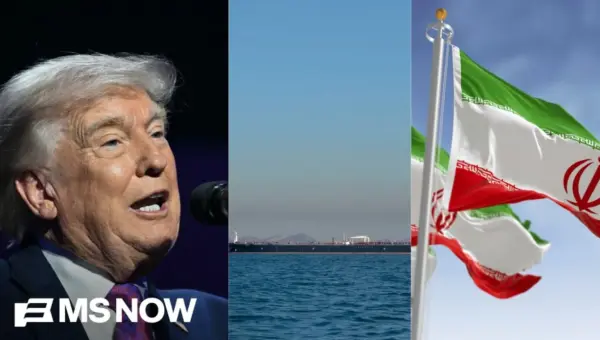
US-Iran Talks Stall Amidst Tensions, Strait of Hormuz Threats
Negotiations between the U.S. and Iran are reportedly in a dire state, with discussions over releasing $20 billion in frozen funds at the center. Tensions have escalated with Iran reimposing restrictions on the vital Strait of Hormuz, casting doubt on diplomatic progress.
Iran Fires on Ships, Reclosing Key Strait; Trump’s Promises Unravel
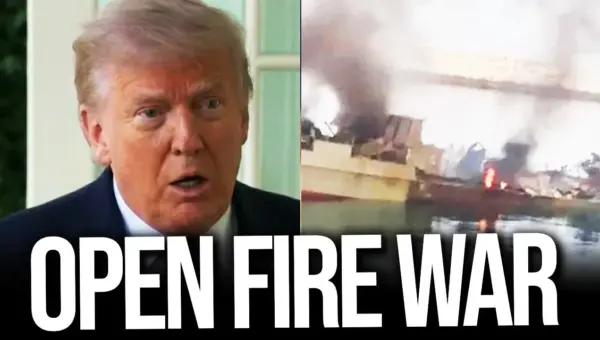
Iran has reopened fire on ships in the Strait of Hormuz, effectively closing the vital waterway again. This follows a promise by Donald Trump that the Strait was open, but Iran claims the US broke its agreement to lift a blockade.