Ex-Curator Claims Chaos, Corruption at Kennedy Center
The Kennedy Center's former visual arts curator, Yosef Palermo, alleges widespread mismanagement and corruption. He claims the center's permanent art collection was dismantled and that decisions were politically motivated. Palermo also detailed concerns about inflated ticket prices and ethical breaches related to personal art collections.

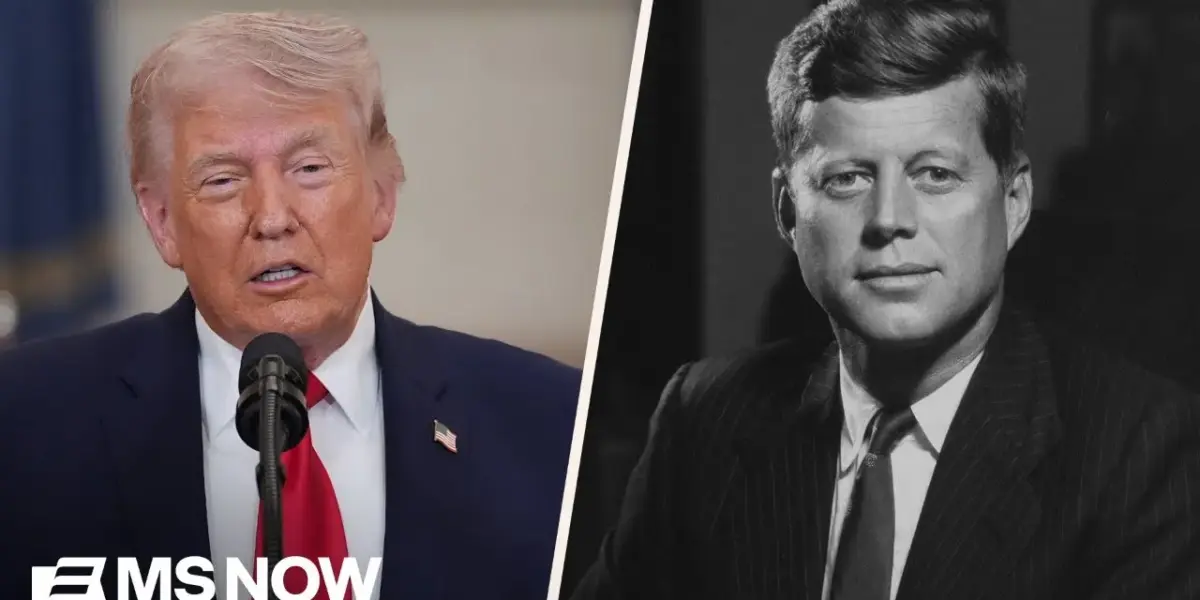
Fired Curator Alleges Mismanagement, Politicization at Iconic Venue
Yosef Palermo, the Kennedy Center’s first curator of visual arts and special programming, has broken his silence following his dismissal on March 26th. He claims his tenure was marked by mismanagement, corruption, and a troubling politicization of the arts institution.
Palermo alleges that decisions were driven by political loyalty rather than artistic integrity. These accusations paint a stark picture of an organization struggling with its mission.
Tasked with Dismantling Art Collection
One of Palermo’s final duties before his termination was the removal of the Kennedy Center’s entire permanent art collection. This directive came shortly after Donald Trump declared on Truth Social that the center would close for renovations.
Palermo was summoned by Rick Grinnell, who placed him in charge of removing the art from campus. Grinnell intended to replace the existing collection with new pieces.
This instruction deeply shocked Palermo, who was hired to bring art into the building, not remove it. He expressed terror over the implications of this command. He was contacted by families of deceased artists whose works were part of the collection.
One such artist was Julius Rudell, the Kennedy Center’s first Artistic Director. His son inquired about the status of his father’s bust, located outside the opera house.
Rudell, a child refugee from Nazi-occupied Austria, famously declined a salary as Artistic Director. He wanted to repay America for the opportunities it provided him. Palermo noted that this act represents the core values of America expressed through culture.
Allegations of ‘Pay-to-Play’ Schemes
Palermo places primary responsibility for the mismanagement squarely on Rick Grinnell. He described a pattern of “pay-for-play” where actions at the center seemed tied to having a close association with Donald Trump. This alleged influence permeated events Palermo was involved in.
Shortly after Palermo began his role on June 2nd, previews for “Les Misérables” featured tickets sold at extremely high prices. Reports indicated that a VIP box and attendance at a presidential reception could cost as much as $2 million. Palermo found these prices unusual and indicative of a larger issue.
Israeli Lounge Controversy and Ethical Concerns
Another significant event involved the Israeli lounge and a planned commemoration of the October 7th attack. Palermo discovered the lounge upon his arrival and was struck by the art within. He worked with an American-Israeli artist whose son had been at the Nova Music Festival during the Hamas attack.
During the opening reception for the artist’s work, Grinnell spoke to the attendees. Palermo recounts Grinnell wagging his finger and stating that if the attendees wanted the Israeli lounge to remain, they needed to provide funding. Palermo found this demand during a solemn commemoration mortifying.
A top lieutenant of Grinnell’s asked Palermo to promote an artist whose work Grinnell now owned. This request involved sharing a screenshot of the artist’s painting and a text stating Grinnell’s ownership. Palermo found this deeply unsettling, viewing it as a significant breach of ethics.
He interpreted the request as an attempt to boost the value of Grinnell’s personal art collection. Showing work from an artist at an institution like the Kennedy Center can increase an artwork’s market value. Palermo felt pressured to facilitate this personal financial gain.
Politicization Through Naming Rights
A major headline during this administration involved adding Rick Grinnell’s name to the formal Kennedy Center. Palermo was unaware of this process until after it occurred. A colleague informed him that this decision would make their jobs significantly harder.
The renaming was seen as a blatant politicization of the Kennedy Center. Palermo experienced fallout directly, as artists became hesitant to collaborate with him. This reluctance stemmed from the center’s perceived political alignment, impacting plans for America’s 250th-anniversary programming.
Official Responses and Counterclaims
The White House, Rick Grinnell, and the Kennedy Center were contacted for comment. Grinnell did not respond. The White House referred inquiries to Trump’s previous comments praising Grinnell’s service.
A Kennedy Center official stated there are no planned changes to the art pieces Palermo mentioned. However, emails obtained after Palermo’s interview show him sending positive comments about Grinnell’s leadership. These included emails sent after the October 7th event and on the day of his firing.
Palermo explained that he maintained a professional work environment. He stated that despite his criticisms of Grinnell’s leadership, he always treated him with courtesy and respect. He felt it was important to keep interactions professional.
Looking Ahead
The future of the Kennedy Center’s artistic direction and its relationship with the broader arts community remains a subject of concern. Investigations into the alleged mismanagement and ethical breaches are likely to continue. The center’s commitment to its founding principles will be closely watched in the coming months.
Source: Chaos, corruption, ‘astronomical’ prices: Fmr. Kennedy Center curator gives inside account (YouTube)

Related Articles
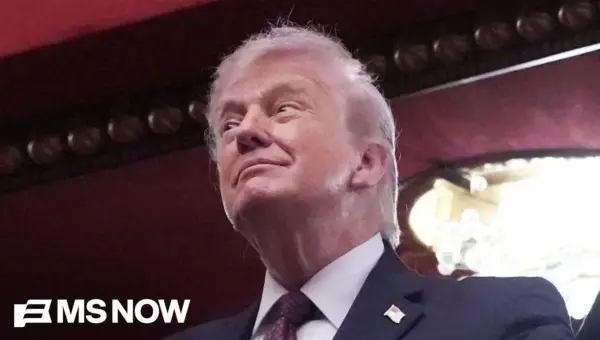
Trump Admin Accused of “Shady Takeover” at Kennedy Center
A former Kennedy Center curator alleges the Trump administration engaged in a "shady takeover," marked by questionable fundraising and spending priorities. Yosef Palermo claims proximity to President Trump was used for high-priced donations while the center neglected infrastructure. He is calling for Congress to protect cultural institutions from political interference.
Trump Official’s Visit to Oct. 7th Exhibit Sparks Outrage
A Kennedy Center official expressed being 'mortified' by a message left by a former Trump administration appointee at an exhibit honoring victims of the October 7th attacks. The incident occurred at a private event, sparking outrage over the perceived insensitivity. The exhibit was intended as a solemn space for remembrance.
Billy Porter Defends Art After Trump Cultural Shift Sparks Protest
Actor Billy Porter participated in the "No Kings" rally at the Kennedy Center, protesting perceived negative cultural shifts. He emphasized that art represents humanity and the human spirit, not politics. The event aimed to defend artistic freedom and diverse voices.