US Halts Iran Sea Trade, Escalating Tensions Amid Peace Talks
The U.S. Navy has implemented a full blockade on Iranian sea trade, escalating tensions amid ongoing peace talks and a fragile ceasefire. This move, dubbed "Operation Epic Fury," has drawn criticism and threats of retaliation from Iran. Meanwhile, the U.S. stock market hits record highs despite global uncertainty, while severe weather and a major antitrust verdict against Ticketmaster dominate domestic news.


US Navy Blocks Iranian Ports Amidst Ceasefire Negotiations
The United States Navy has completely halted all trade entering and leaving Iran by sea, a move described by some as one of the worst actions America has ever taken. This significant escalation comes as in-person peace talks between the U.S. and Iran were reportedly underway, raising concerns about the impact on a fragile ceasefire agreement.
Since President Trump’s blockade on Iranian ports began Monday, the U.S. military has turned back ten ships. The military is calling this latest operation in the Middle East “Operation Epic Fury.” An Iranian commander has labeled the blockade a violation of the temporary ceasefire, which is set to expire soon. This action, according to people familiar with the negotiations, directly impacts the ongoing diplomatic efforts.
Global Impact and Diplomatic Maneuvers
The U.S. operation in the Red Sea and Strait of Hormuz has far-reaching implications. Iran has stated its intention to meet the President’s demands, but also issued threats of retaliation, suggesting disruptions to other waterways if the blockade continues. This brinkmanship occurs as mediators are working in Tehran to strengthen the existing ceasefire.
Meanwhile, in a separate but related development, President Trump announced on Truth Social that leaders from Israel and Lebanon would speak for the first time in decades. Israel has confirmed that these leaders will speak by phone, not in person. An Israeli security cabinet member noted that Prime Minister Benjamin Netanyahu has been pushing to include Lebanon in any broader ceasefire deal between Iran and the U.S., though the U.S. has maintained this is a separate diplomatic track.
Congressional Opposition and Economic Concerns
Within the U.S., lawmakers are pushing back against the ongoing military action. A resolution to prevent further U.S. military action in Iran without Congressional approval is being repeatedly brought to a vote. While Republican support for the war remains strong, some have expressed reservations, particularly regarding troop deployment and unlimited military action beyond 60 days.
There are also concerns within the Republican party that the war and rising gas prices could hurt their chances in the upcoming midterm elections. These economic anxieties are compounded by the ongoing debate surrounding the Federal Reserve. President Trump has openly criticized Federal Reserve Chairman Jerome Powell, whose term expires next month, and has threatened to fire him if he does not leave the board voluntarily.
Market Resilience Amidst Global Uncertainty
Despite the escalating geopolitical tensions and domestic political battles, the stock market has shown remarkable resilience. The S&P 500 and NASDAQ both closed at record highs recently. Corporate profits are projected to grow, with earnings expected to increase significantly quarter-over-quarter and year-over-year.
While oil prices remain a concern, hovering around $92 a barrel, gas prices have not seen a significant immediate jump, with a typical lag time. Investors appear to be looking past immediate concerns, focusing on corporate earnings and the potential for cooling inflation. This bifurcation between the stock market’s performance and broader economic anxieties highlights a complex financial environment.
Severe Weather Strikes the Midwest
Beyond international affairs and economic news, the U.S. is grappling with severe weather. Heavy rains have caused major flooding across parts of Wisconsin and Michigan, washing away roads and leading to stranded residents. Urgent evacuations were ordered in several communities due to dangerous tornadoes and extreme winds, with some areas experiencing wind speeds of up to 125 miles per hour.
The forecast indicates a continuation of severe weather, with temperatures feeling more like summer in many regions due to high pressure systems. This is bringing moisture and a potential for numerous severe weather events, including tornadoes, across the Midwest and into the Northeast. Flood watches are in effect for areas around the Great Lakes, including Detroit, Fort Wayne, and Milwaukee.
Live Nation Faces Antitrust Verdict
In consumer news, Live Nation, the company that owns Ticketmaster, has been found liable in a major antitrust case. A jury determined that the company engaged in monopolistic practices, leading to fans being overcharged for tickets. This verdict, described as a great day for consumers and fans, could lead to significant remedies, including potentially breaking up the company.
Live Nation has denied the allegations, but the jury’s decision sends a strong message. The exact penalties and remedies will be determined by a judge, who will consider various options, including monetary damages. This case represents one of the most significant antitrust battles in decades and could reshape the live event ticketing industry.
Global Events: Turkey School Shootings, Cuba Relations
Internationally, Turkey is reeling from two school shootings in quick succession, a rare occurrence in the country. Authorities are investigating any potential connection between the incidents.
Meanwhile, in Cuba, Fidel Castro’s grandson, Sandro Castro, discussed his country’s future and his differing approach to revolution compared to his grandfather. He also commented on President Trump’s repeated threats towards Cuba, finding them arrogant.
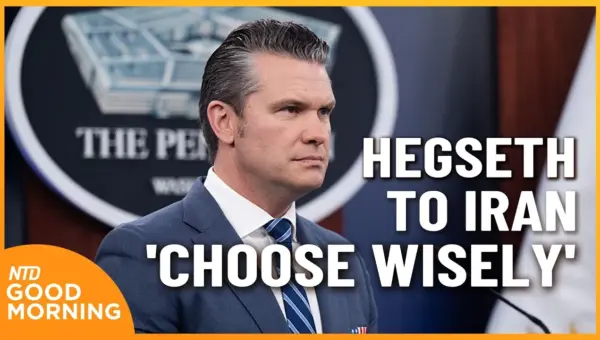
In other news, the U.S. military provided an update on “Operation Epic Fury,” detailing the blockade of Iranian ports. They emphasized the strength and readiness of U.S. forces and warned Iran against non-compliance. The military stressed that the U.S. Navy controls the Strait of Hormuz and urged Iran to choose a prosperous future through a deal, rather than confrontation.
Healthcare and Education Sector Challenges
The rising cost of popular weight loss drugs, like GLP-1 agonists, is forcing some employers to scale back their insurance coverage. One CEO noted that these pharmacy costs were a significant factor in his company’s financial losses, leading to layoffs. Companies are now prioritizing coverage based on the long-term costs of treating chronic diseases, questioning the immediate affordability of these breakthrough medications.
In education, a growing number of small colleges are closing due to financial struggles and declining enrollment. The perception of a liberal arts education has shifted, with more students favoring business and pre-professional degrees. Experts suggest a significant consolidation of colleges and universities may be on the horizon, with some institutions merging or altering their program offerings to adapt.
Alzheimer’s Research and Sportsmanship
Research into Alzheimer’s disease shows growing patient interest in biomarker tests that can detect early signs of the disease. A significant majority of patients surveyed would opt for these tests if recommended by their doctor, even though they do not provide a definitive diagnosis. Doctors emphasize the importance of discussing the pros and cons with a specialist before undergoing testing.
Finally, a heartwarming moment occurred during a hockey game when NHL star Logan Thompson gifted his stick to a young fan. The ten-year-old, who sometimes faces bullying for his size, was overcome with emotion. The act of sportsmanship highlighted the positive impact athletes can have on young fans’ lives.
Source: Morning News NOW Full Episode – April 16 (YouTube)

Related Articles
US Navy Blockade Cripples Iran’s Trade, Shifts Global Power
The U.S. Navy's blockade of Iranian ports is crippling the nation's economy and trade, with significant ripple effects on China. This aggressive economic pressure aims to isolate Iran financially, while domestic debates in the U.S. focus on balancing national security with citizen privacy.
US Warns Iran: Deal or Face Military Action
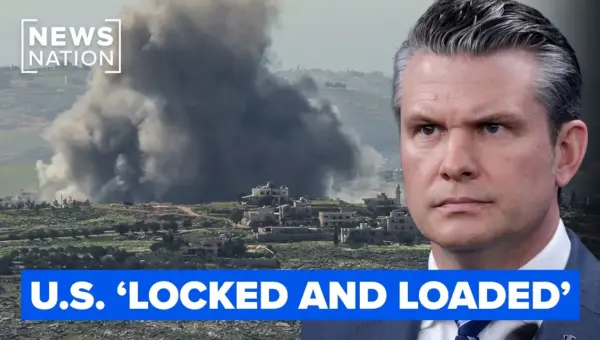
The U.S. military is on high alert, warning Iran of potential action if diplomatic talks fail. Tensions are escalating in the Strait of Hormuz, with economic sanctions also being prepared as leverage. Mediators are working to secure a second round of negotiations, but the outcome remains uncertain.
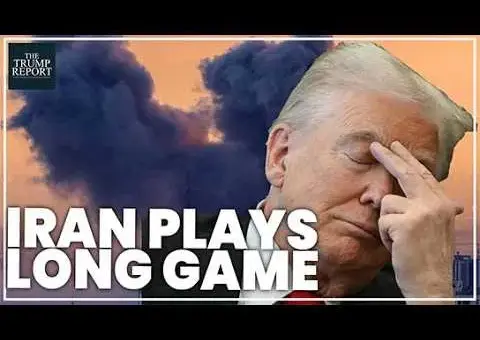
Iran’s War Strategy Outlasts US Patience
Iran's strategy of prolonging conflict to outlast US patience is a key factor in current Middle East tensions. While President Trump seeks an end, Iran aims to inflict economic pain. This analysis explores the military warnings, political fallout, and economic vulnerabilities shaping the standoff.