Big Tech Moves Into Banking with New Digital Wallets
Major corporations are exploring the creation of digital wallets that could allow customers to earn returns on deposited funds. These companies plan to invest customer money into U.S. Treasury bonds, potentially transforming financial services and the demand for government debt.


Big Tech Moves Into Banking with New Digital Wallets
Major corporations, including tech giants like Apple and Amazon, are poised to enter the financial services sector by offering digital wallets. These wallets could allow customers to deposit funds, which companies would then invest in U.S. Treasury bonds. This move could transform how consumers manage money and how companies operate.
Imagine a scenario where Tesla announces its own digital wallet. Customers could load dollars into this wallet.
Tesla would then invest these deposited dollars into U.S. Treasury bonds, potentially earning a yield of four or five percent. The company might keep a small portion of the earnings and share some with customers through rewards, discounts on future purchases, or charging credits.
Customers would benefit by having their money earn returns, essentially making their funds work for them. Tesla, in turn, would profit from the difference between the interest earned on the bonds and any rewards offered to customers, a practice known as earning a spread on deposits. The U.S. government would also see a positive impact, as corporations buying Treasury bonds increases demand for government debt.
This concept could expand beyond Tesla to other major corporations worldwide. Companies like Apple, Amazon, McDonald’s, and Google could all introduce similar digital wallets.
These platforms, which are already widely used for payments and services, would become new avenues for distributing U.S. government debt. They would hold U.S. Treasuries as the underlying asset for their digital currency or rewards programs.
While this may sound like a speculative idea, it reflects potential legislative changes. Current discussions in Congress suggest that new laws could facilitate or even require such financial structures. This indicates a significant shift in how non-financial companies might engage with financial markets and customer funds.
Market Impact
This potential shift suggests that major corporations could become significant players in the U.S. Treasury market. By acting as intermediaries, they could channel consumer deposits directly into government debt. This could increase the stability of demand for Treasuries and potentially lower borrowing costs for the U.S. government.
For consumers, these digital wallets could offer a simple way to earn returns on their everyday cash balances. Instead of money sitting idle in a checking account with little to no interest, it could be earning a yield. This would be similar to how money market funds work, but integrated directly into the platforms people already use daily.
The companies offering these wallets could gain a new revenue stream and a deeper connection with their customer base. Offering yield or rewards could increase customer loyalty and spending. It also provides them with a substantial pool of capital to invest, potentially at favorable rates.
What Investors Should Know
Investors should monitor legislative developments in Congress closely. Any new laws enabling or mandating these corporate digital wallets could have far-reaching effects on the financial sector. This includes impacts on traditional banks, payment processors, and the broader bond market.
The move could also create new investment opportunities. Companies that successfully launch and manage these digital wallets might see their stock prices rise.
Investors may also want to consider the implications for the U.S. Treasury market itself. Increased corporate demand for Treasuries could influence bond yields and prices.
Understanding the mechanics of these digital wallets is key. They essentially function as interest-bearing accounts backed by secure government debt.
This offers a blend of accessibility, potential returns, and perceived safety for consumers. It also presents a new model for corporate financial engagement.
Legislation currently being considered in Congress could shape the future of these financial innovations. The outcome of these legislative efforts will be crucial in determining the extent to which corporations can and will act as financial intermediaries for government debt. Keep an eye on Washington for updates.
Source: Corporations Are Becoming Banks (YouTube)

Related Articles

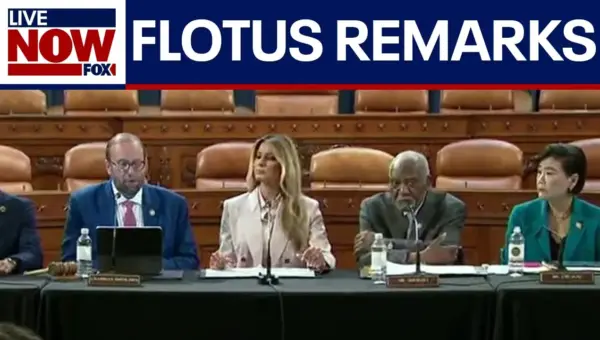
Melania Trump Champions Foster Youth at Critical Forum
Former First Lady Melania Trump urged lawmakers to enact new legislation supporting foster youth at a recent forum. She highlighted her "Fostering the Future" initiative, which provides university access and career preparation. Trump emphasized the moral obligation to ensure these young people have stable futures.

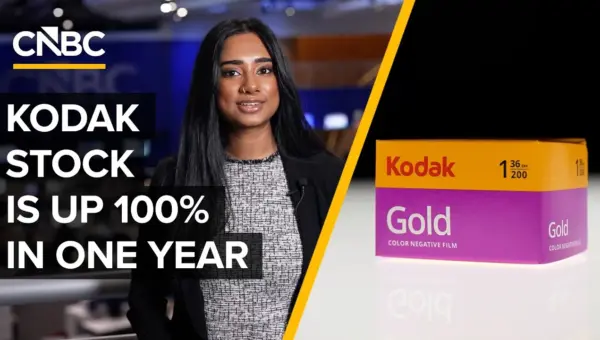
Kodak Stock Soars 100% As Film Brand Stages Comeback
Kodak's stock has surged 100% in the past year, signaling a potential turnaround for the historic film company. CEO Jim Continenza is focusing on film demand from Hollywood and strengthening the company's financial base by reducing debt.
Congress Faces War, Shutdown Chaos Upon Return
Congress returns to a nation grappling with a prolonged government shutdown and heightened international tensions. Lawmakers face pressure to fund agencies, pass key legislation, and address military readiness amid global competition. The coming weeks will test their ability to navigate these complex challenges.