Trump’s Ballroom Built With Foreign Steel, Not ‘Buy America’
President Trump's new White House ballroom is reportedly being built with tens of millions of dollars in steel donated by European manufacturer ArcelorMittal. This use of foreign steel has drawn attention, given Trump's 'Buy America' policy. The White House defended the project as a taxpayer-funded enhancement.

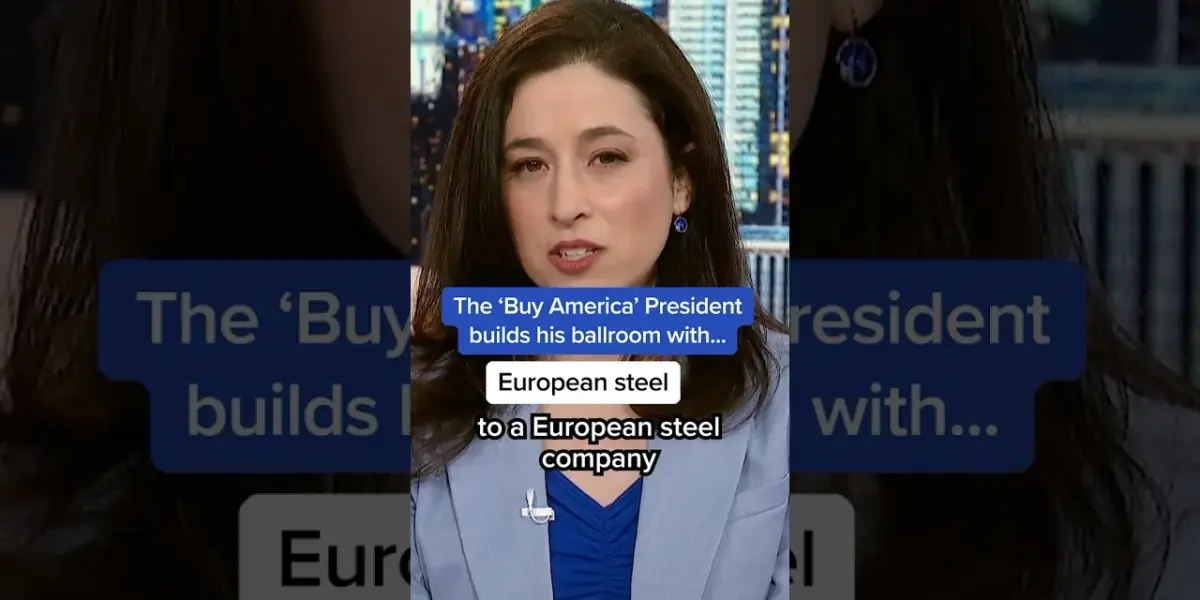
Foreign Steel Fuels Trump’s White House Ballroom Project
President Donald Trump, a vocal advocate for the ‘Buy America’ policy, is facing scrutiny over the materials used in his new White House ballroom. Reports indicate that the project is being constructed with millions of dollars worth of steel sourced from ArcelorMittal, a major European steel manufacturer. This development appears to contradict the president’s own directive encouraging the use of American-made products in government projects.
‘Buy America’ Policy Under Scrutiny
The ‘Buy America’ initiative, a cornerstone of Trump’s economic agenda, aims to boost domestic industries by requiring federal agencies to prioritize American-made goods and materials. The policy emphasizes the importance of supporting U.S. workers and manufacturers. However, the use of foreign steel for a high-profile White House renovation raises questions about the consistent application of this policy.
ArcelorMittal’s Role in the Project
ArcelorMittal, a Luxembourg-based company with significant operations across Europe, is reportedly donating a substantial amount of steel for the new ballroom. The New York Times first reported that the donation is valued in the tens of millions of dollars. While the company declined to comment on the matter, its involvement highlights a complex global supply chain even for projects intended to promote domestic production.
White House Defends Project as Cost-Saving
A White House spokesman, Davis Ingle, defended the project, stating that President Trump is enhancing the White House’s appearance without burdening taxpayers. Ingle emphasized that the project is being completed at no cost to the public, framing it as an achievement worthy of celebration. This perspective focuses on the financial benefit to taxpayers rather than the origin of the materials used.
The Economic Argument
Supporters of the ‘Buy America’ policy argue that prioritizing domestic materials creates jobs and strengthens the U.S. economy. They believe that government contracts and projects should serve as a direct investment in American businesses and labor. This principle is often cited as a way to counterbalance perceived disadvantages faced by domestic industries due to global competition.
Counterarguments and Global Markets
Conversely, some argue that strict ‘Buy America’ rules can increase project costs and limit options. They point out that global markets offer specialized materials and competitive pricing that can be beneficial. In some cases, essential components or specific grades of materials may not be readily available from domestic sources, necessitating international procurement.
Broader Implications for Trade and Policy
This situation brings to light the ongoing tension between protectionist trade policies and the realities of global commerce. While ‘Buy America’ aims to protect and promote domestic industries, international trade agreements and the interconnectedness of global markets often create situations where foreign materials are used in U.S. projects. The president’s personal project becoming a case study in this debate adds a unique layer of public interest.
What to Watch Next
Moving forward, attention will likely remain on how the administration balances its ‘Buy America’ rhetoric with the practicalities of large-scale construction and infrastructure projects. Further details about the specific types of steel used and the exact terms of ArcelorMittal’s contribution may emerge. The administration’s response to any future scrutiny regarding the origin of materials in government-funded or endorsed projects will also be closely observed.
Source: The 'Buy America' President builds his ballroom with…European Steel (YouTube)

Related Articles

Trump’s AI Jesus Image Sparks Outrage Among Christian Voters
Donald Trump's campaign faced backlash after posting an AI-generated image of himself as Jesus, drawing sharp criticism from Christian supporters who called it "disgusting" and "blasphemy." The controversy highlights the delicate balance between political messaging and religious reverence, even as core policy issues may ultimately influence voter decisions.


Iran’s AI Trolls Trump With Viral Videos
Iran is using AI-generated videos, often with a playful Lego animation style, to mock Donald Trump and his family. These viral clips aim to portray Trump as weak and out of touch, turning his own social media tactics against him in a new form of digital warfare.

Trump’s Jesus Posts Spark Outrage, Reveal Deeper Issues
Donald Trump's recent AI-generated Jesus posts sparked outrage, serving as a distraction from economic woes and raising concerns about his mental state. Meanwhile, the handling of the Epstein files and public dissatisfaction with inflation highlight ongoing issues of transparency and economic fairness.