Trump’s Jesus Posts Spark Outrage, Reveal Deeper Issues
Donald Trump's recent AI-generated Jesus posts sparked outrage, serving as a distraction from economic woes and raising concerns about his mental state. Meanwhile, the handling of the Epstein files and public dissatisfaction with inflation highlight ongoing issues of transparency and economic fairness.

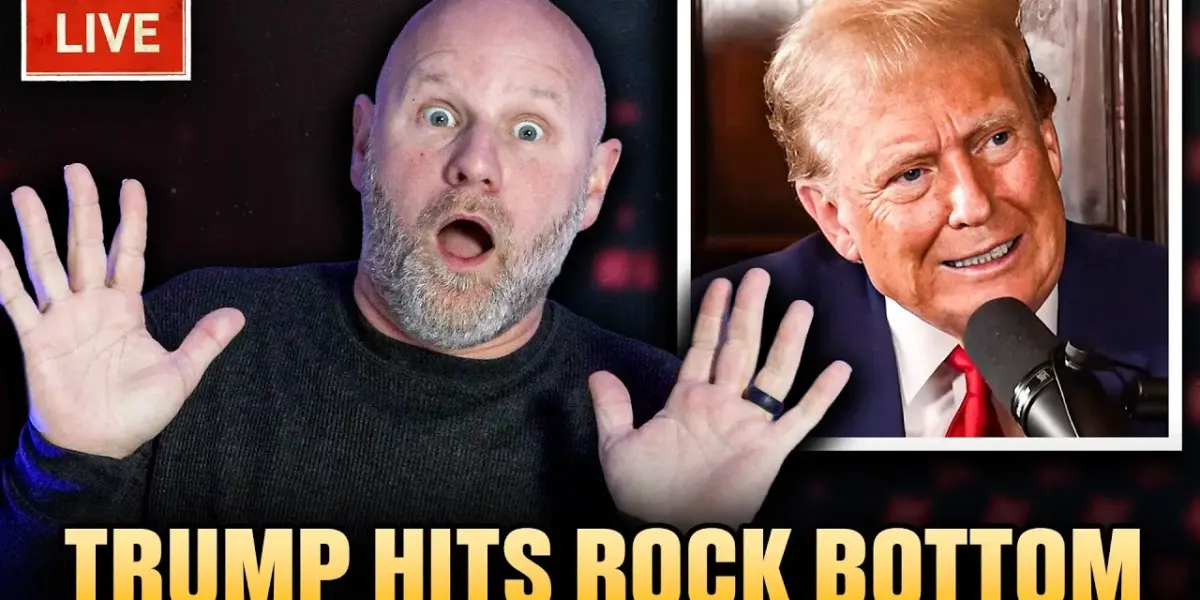
Trump’s Jesus Posts Spark Outrage, Reveal Deeper Issues
Donald Trump recently posted AI-generated images of himself as Jesus Christ and being embraced by Jesus. When asked about the Jesus picture, he claimed he thought it was him as a doctor.
These posts quickly drew criticism from many people, including those who support him. This controversy followed a week where Trump and JD Vance had also criticized Pope Leo.
Trump then shared another AI image showing him embraced by Jesus, with a caption suggesting God might be playing his “trump card” against “satanic, demonic, child sacrificing monsters.” Trump added that “radical left lunatics might not like this, but I think it is quite nice.” This move served as a distraction from other pressing issues. It also aimed to convince his base that only the left was upset, attempting to frame any criticism as a partisan attack.
A Pattern of Distraction and Division
This tactic highlights a common strategy: using controversy to divert attention. Instead of discussing foreign policy, economic problems, or other serious matters, the conversation shifts to his social media activity. This approach aims to keep his supporters focused on perceived enemies and away from policy failures.
The commentary also suggests a psychological manipulation of his followers. By framing criticism as coming only from the “left,” he attempts to preemptively dismiss any objections from his own base. This creates a closed loop where questioning his actions is seen as betrayal, reinforcing loyalty within the group.
“This Is Not Normal”
The speaker repeatedly emphasizes that such behavior is not normal for a president. They draw a contrast with how the media, particularly Fox News, might react if a Democrat like Joe Biden had posted similar content. The implication is that a double standard exists, where similar actions by Trump are met with less scrutiny or outright defense.
The posts are described as psychotic, sacrilegious, and blasphemous. They are seen as a clear sign of a leader using religious imagery for political gain and distraction. This strategy, while effective for some, is viewed as deeply problematic and outside the bounds of typical political discourse.
Concerns Over Mental Acuity and Behavior
During a Fox News interview with Maria Bartiromo, Trump appeared to have a significant mental lapse. He discussed the death of Justice Ruth Bader Ginsburg but seemed unaware that he was president at the time of her passing. He stated, “She decided she would live forever and two minutes after the election, she went out and I got to appoint somebody.”
This statement confused many, as Trump was president for the entire year of 2020, including when Ginsburg died. The speaker labels this a “dementia moment,” suggesting a decline in his cognitive abilities. This incident adds to growing concerns about his mental fitness for office.
Further evidence of agitation was noted when Trump admitted his hoarse voice was due to screaming at staff. This behavior, along with his outbursts, is presented as a potential symptom of dementia. Rather than a sign of strong leadership, it’s interpreted as a concerning behavioral issue.
Questions Surrounding the Epstein Files
The discussion then shifts to the handling of the Jeffrey Epstein files. Trump’s acting Attorney General, Todd Blanch, stated that his office would not release any more Epstein-related documents. He claimed they had reviewed millions of pages and found nothing else responsive to the law.
Critics argue that this stance is a violation of the Epstein Files Transparency Act. They question why documents collected during the investigation wouldn’t be considered part of the Epstein files, even if Epstein’s name isn’t explicitly on every page. The limited release of only a small percentage of the files raises suspicions of a cover-up.
The speaker warns Blanch that refusing to comply with legal requirements could lead to legal repercussions, drawing parallels to other legal figures facing consequences. The decision to withhold information is framed as a risky move that could jeopardize his career and freedom, all to protect a man whose future is uncertain.
Economic Discontent and Tax Refunds
The transcript also touches on public frustration regarding the economy and promised tax refunds. Despite claims that tax cuts would lead to larger refunds, many Americans report not noticing a significant difference. The average refund increase of about $350 is seen as insufficient given the rising costs of everyday items.
Prices for gas, coffee, and beef have increased significantly. This inflation negates the small gains from tax refunds, leaving many feeling financially worse off than before. Polling data shows a sharp decline in Trump’s approval rating for his handling of taxes, a stark contrast to his first term.
The speaker shares a personal anecdote about facing a large tax bill due to an employer’s error in withholding taxes. This personal experience illustrates the complex and often frustrating nature of the U.S. tax system for ordinary citizens. The overall sentiment is one of economic hardship and disappointment with the promised benefits of tax reform.
Why This Matters
The events discussed highlight several critical aspects of contemporary American politics. Firstly, the use of controversial social media posts as a distraction tactic is a recurring theme. It shows how political figures can manipulate public attention away from substantive issues towards manufactured controversies.
Secondly, the concerns raised about Donald Trump’s mental state and behavior are significant. If true, these issues have profound implications for leadership and decision-making. The contrast between his actions and expected presidential conduct is stark and raises questions about accountability.
Finally, the ongoing controversy surrounding the Epstein files and the public’s dissatisfaction with economic conditions point to a deep-seated distrust in institutions and leadership. The perceived lack of transparency and the struggle with inflation create a sense of unease and anger among the populace.
Implications and Future Outlook
The political climate, as depicted, is one of division and distraction. The strategy of creating controversy to avoid discussing core issues like the economy or legal accountability seems likely to continue. This approach can be effective in mobilizing a base but alienates broader segments of the population.
Future political discourse may increasingly focus on the personal conduct and mental fitness of candidates, alongside policy debates. The public’s reaction to the Epstein files and economic conditions will likely influence voting patterns and political engagement.
The handling of legal and ethical issues, such as the Epstein files, will continue to be a point of contention. Transparency and accountability will remain key concerns for voters who feel misled or ignored by their leaders. The upcoming election cycle will likely be shaped by these ongoing debates and public sentiments.
Historical Context
The use of religious imagery in politics is not new, but Trump’s specific use of AI-generated images and his claims about them are novel. Historically, politicians have invoked religious themes to connect with voters, but the direct self-portrayal as a divine figure, even in jest or as a metaphor, is a more recent development today.
The concept of using controversies to distract from policy failures has been a tactic employed by various political figures throughout history. However, the speed and reach of social media amplify these tactics, making them more potent and immediate.
Concerns about the mental acuity of leaders are also not unprecedented in history. However, the current media environment, with 24/7 news cycles and social media commentary, puts such concerns under a microscope, leading to more rapid and widespread public discussion.
The Epstein case itself has cast a long shadow, involving powerful figures and raising questions about justice and accountability for decades. The ongoing debate about the release of files reflects a public demand for full disclosure and closure on a deeply disturbing chapter.
Looking Ahead
The legal and political ramifications of the Epstein files and the actions of those involved will continue to unfold. The public’s perception of economic fairness and government transparency will be crucial in shaping future political movements and election outcomes.
Source: Trump Hits A New Rock Bottom (YouTube)

Related Articles

Trump Faces Backlash: Iran War, Pope Spat Risk Base Support
President Trump is facing growing challenges as the Iran conflict and controversial public statements strain his relationship with core supporters. His political future is being scrutinized amid parallels drawn to allies' recent electoral defeats and concerns over his foreign policy approach.

Speaker Johnson Cancels Votes Amidst GOP Turmoil
House Speaker Mike Johnson canceled votes amid internal GOP pressure, fueled by poor polling for Donald Trump and fears of electoral defeat. Democrats criticize the rebranding of a tax bill and question executive funding decisions, highlighting deep divisions within the Republican party.

UK Leader Challenges Trump on Iran War Decision
British Chancellor Rachel Reeves has criticized the US decision to end talks with Iran and enter into conflict, calling it a "folly" without a clear exit plan. Experts suggest countries should "call Trump's bluff," citing European examples of asserting independence amid global tensions and potential economic fallout.