Officials’ Gaffes Expose Administration’s War Rhetoric
Recent public statements by Pete Hegseth and Stephen Miller have drawn criticism for alleged incompetence and inflammatory rhetoric. Hegseth quoted a fake Bible verse from a movie, while Miller used the phrase 'final solution.' These incidents, coupled with aggressive military language, raise concerns about the administration's communication strategy regarding the Iran conflict.

Officials’ Gaffes Expose Administration’s War Rhetoric
Recent public statements by members of the current administration have raised eyebrows and sparked debate, particularly concerning their handling of foreign policy and public communication. Two prominent figures, Pete Hegseth and Stephen Miller, have recently been highlighted for remarks that critics argue reveal a disconnect between official messaging and reality, or worse, a troubling lack of awareness.
Hegseth’s Sermon Stumble
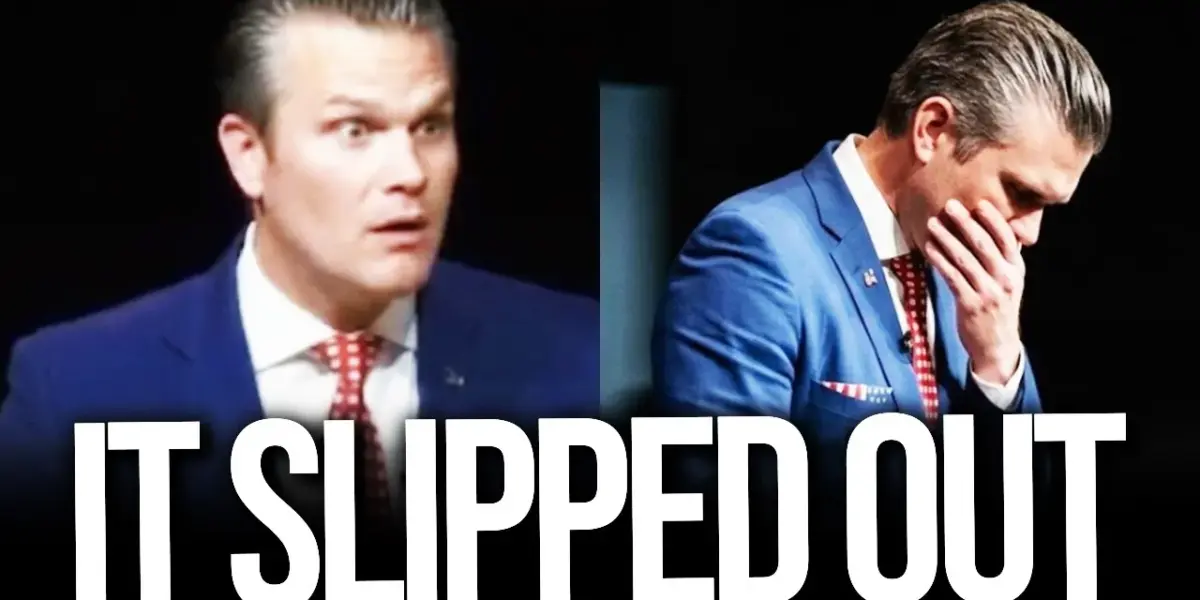
During a recent sermon at the Pentagon, Pete Hegseth, a known figure in conservative media and government circles, quoted a passage that he attributed to the Bible. The verse, which spoke of the “path of the downed aviator” and striking down enemies with “great vengeance and furious anger,” sounded plausible to many. However, further investigation revealed that the quote was not from any religious text but was instead a fabricated passage from the movie Pulp Fiction.
This incident drew immediate criticism. Critics pointed out that quoting a fictional verse during an official address at a military institution suggested a lack of preparation or a misunderstanding of the sources being used. It also occurred in a period where President Trump himself had made controversial statements regarding religious figures and imagery, leading some to question the sincerity of religious claims made by members of this administration.
Miller’s ‘Final Solution’ Slip
Shortly after Hegseth’s sermon gaffe, Stephen Miller appeared on a news program to discuss the ongoing conflict with Iran. In his remarks, Miller used the phrase “final solution” when describing the administration’s goals for the conflict. This phrase is historically associated with the Nazi plan for the genocide of Jewish people during World War II, making its invocation in any context highly sensitive and alarming.
Miller’s use of the term, even if intended to mean a final, decisive outcome, was widely seen as a significant misstep. The pause and apparent hesitation before uttering the phrase led many to believe he was aware of its gravity. This incident, like Hegseth’s, fueled accusations that administration officials either lack judgment or are deliberately using inflammatory language.
Military Slam Poetry and Mixed Messages
Further analysis focused on Hegseth’s public statements regarding the situation in Iran. His addresses were described by some as resembling “military slam poetry,” filled with aggressive and boastful language about American military superiority. He spoke of “reloading with more power than ever before” and being “locked and loaded on your critical dual use infrastructure.”
This aggressive rhetoric stood in stark contrast to reports from mainstream media outlets suggesting that the White House was optimistic about reaching a diplomatic deal with Iran. The discrepancy between the bellicose public statements and the reported diplomatic efforts created confusion. Critics argued that such conflicting messages undermine trust and create uncertainty about the administration’s true intentions and strategy.
Misunderstanding the Regime
The analysis extended to a broader critique of the administration’s understanding of the Iranian regime and the complexities of international relations. Stephen Miller, despite his intelligence, was accused of fundamentally misunderstanding key aspects of the conflict, including the nature of the Iranian regime, the concept of regime change, and the impact of economic sanctions. His suggestions that prolonged embargoes would indefinitely cripple Iran were questioned, with critics noting that such actions could lead to global economic crises and disproportionately harm innocent civilians rather than the ruling elite.
The argument was made that the administration often blurs the lines between the Iranian people and the government, failing to recognize that the regime may not share the citizens’ desire for freedom and rights. This failure to distinguish between the populace and its leaders, it was argued, leads to policies that inflict suffering on ordinary people without effectively pressuring the regime.
Gaslighting and Propaganda
A significant point of contention was the administration’s reaction to an AI-generated video shared by Iranian accounts, which depicted Jesus Christ casting President Trump into hell. Pete Hegseth, when asked about this, condemned it as “disgusting” and “detached from reality.” However, critics accused Hegseth of hypocrisy and “gaslighting,” pointing out that President Trump himself had previously used Jesus-like imagery in his own social media posts.
This comparison highlighted a perceived double standard. Critics argued that the administration attempts to label its opponents as purveyors of lies and propaganda while engaging in similar tactics.
The assertion was made that Hegseth’s rhetoric, particularly his criticism of the media for what he deemed “unpatriotic coverage,” mirrored the propaganda efforts of the very regimes he denounced. The speaker suggested that Hegseth would ideally want a U.S. propaganda apparatus similar to that of Iran, aiming to control the narrative and silence dissent.
Why This Matters
The instances involving Hegseth and Miller are more than just isolated gaffes; they represent a pattern of communication that critics argue is either incompetent or deliberately misleading. In matters of foreign policy and potential conflict, clear, truthful, and consistent communication is paramount. When officials resort to fabricated sources, historically charged language, or boastful, unsubstantiated claims, it erodes public trust and can dangerously misinform both domestic and international audiences.
The analysis suggests that these communication failures reflect a deeper issue within the administration: a potential lack of understanding of the situations they are managing or a willingness to prioritize aggressive posturing over factual accuracy. This approach risks escalating tensions, alienating allies, and failing to achieve genuine diplomatic solutions.
Implications and Future Outlook
The continued reliance on aggressive rhetoric and the tendency to misrepresent facts could have significant long-term implications. For international relations, it may lead to increased mistrust from other nations, making diplomatic resolutions more difficult. Domestically, it can foster a polarized environment where objective reporting is dismissed as “unpatriotic” and where the public struggles to discern truth from propaganda.
Looking ahead, the administration’s approach to communication will likely remain a focal point. Whether these instances are seen as mere blunders or as indicative of a flawed strategy will shape public perception and potentially influence future policy decisions. The effectiveness of any diplomatic efforts with Iran, or indeed any foreign adversary, will be heavily dependent on the credibility and clarity of the administration’s messaging.
Historical Context
The use of charged language like “final solution” carries immense historical weight due to its association with the Holocaust. Similarly, the concept of propaganda and state-controlled media has a long and often dark history, particularly in autocratic regimes. By drawing parallels between the administration’s communication style and these historical examples, critics aim to highlight the potential dangers of unchecked rhetoric and the manipulation of information.
The comparison to the Afghanistan withdrawal also provides context. While that event was criticized, it was framed as an ending, a withdrawal from conflict.
The current situation in Iran, as described by Hegseth, involves ongoing military posturing and escalation, which naturally garners more sustained media attention and scrutiny. The administration’s attempt to equate the two and label critical coverage as unpatriotic suggests a desire to control the narrative rather than engage with factual reporting.
The article concludes by emphasizing the ongoing commitment to scrutinizing the administration’s statements. Whether it’s Hegseth, Miller, or other officials, the aim is to counter what is perceived as misinformation and hold those in power accountable for their words and actions.
Source: Pete Hegseth Lets It Slip and Ruins Everything (YouTube)

Related Articles

UK Leader Challenges Trump on Iran War Decision
British Chancellor Rachel Reeves has criticized the US decision to end talks with Iran and enter into conflict, calling it a "folly" without a clear exit plan. Experts suggest countries should "call Trump's bluff," citing European examples of asserting independence amid global tensions and potential economic fallout.

UK Eyes Emergency Laws for Iran War Supply Shock
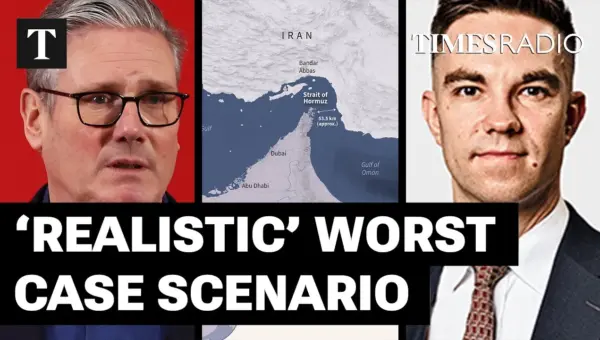
UK officials are preparing emergency laws and contingency plans to counter potential food shortages linked to the Iran conflict. Concerns center on a critical CO2 shortage that could impact food preservation and processing, with the government weighing measures to boost domestic production.

Trump’s Jesus Post Cracks Christian Support Base
Donald Trump's AI image of himself as Jesus Christ has sparked debate, with some suggesting he may be the Antichrist. Historian Kristen Dum analyzes this event, noting a potential crack in his Christian support base despite past controversies. The incident highlights hypocrisy and divisions within the religious right, particularly between Christian nationalists and Catholics.