Trump’s Troop Gambit: A Risky Mideast Play?
Reports of thousands of U.S. troops heading to the Middle East clash with President Trump's claims of an impending end to the war. This analysis explores the potential risks and high price of using ground forces as leverage, questioning if the President is prepared for the potential human and political costs.

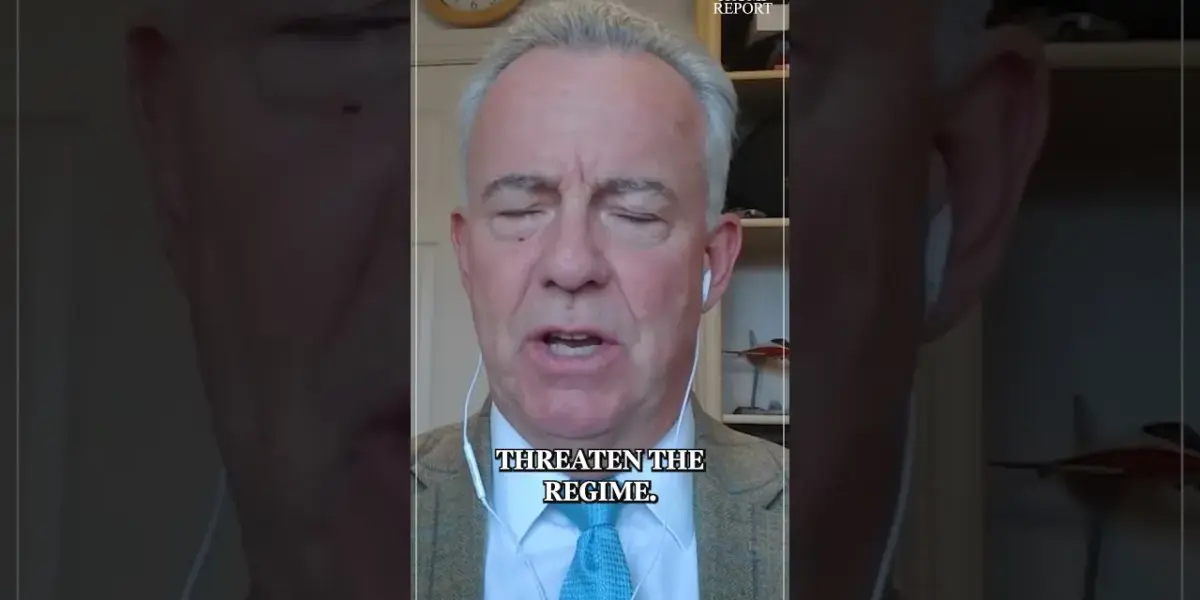
Trump’s Troop Gambit: A Risky Mideast Play?
President Trump has recently suggested that a major conflict in the Middle East is nearing its end. However, reports are also circulating about thousands of additional U.S. troops being sent to the region. This raises a critical question: Is sending more soldiers a sign that the President’s claim of an impending end to the war is not entirely accurate?
From a military perspective, the deployment of more troops, especially when the President says the war is almost over, seems contradictory. It suggests a need for increased leverage, perhaps as part of a larger strategy to force a resolution. The idea could be to show a willingness to escalate by putting boots on the ground, thereby pressuring Iran.
Leverage and Escalation
Military experts often view troop deployments as a form of leverage in diplomatic or conflict situations. When President Trump talks about making a deal, having more troops available can be seen as a bargaining chip. The presence of ground forces can signal a more serious commitment and a greater potential for conflict, which might influence negotiations.
The core question is whether President Trump is prepared to commit U.S. forces to a ground invasion or significant ground operations in Iran. Such a move would represent a major escalation of the current conflict. This escalation would be aimed at achieving a final resolution, but it comes with significant risks.
The Reality of Ground Conflict
Historical military analysis and war game simulations suggest that invading Iran with ground troops is an extremely dangerous proposition. Iran has a massive military force, the IRGC, numbering over a million personnel. Many of these soldiers are deeply motivated and willing to sacrifice their lives for their cause, believing in a greater future after death.
Western militaries, in contrast, generally prioritize the preservation of their soldiers’ lives. This fundamental difference in motivation and willingness to endure casualties is a critical factor in planning ground operations. The potential human cost for U.S. forces could be immense and politically devastating.
A High Price to Pay
Sending thousands of troops into Iran, whether on the mainland or its islands, would likely be seen as a significant escalation. While such action might yield some tactical military results, the overall cost could be enormous. This includes not only potential casualties but also broader geopolitical and economic consequences.
The memory of President Trump welcoming home the coffins of fallen soldiers is still fresh. A large-scale ground operation could lead to a similar, or even greater, number of casualties.
The political fallout from such losses could be severe, potentially overshadowing any perceived military gains. It is uncertain if President Trump has the time or the political will to endure such a high price.
Why This Matters
The decision to deploy troops in a volatile region is never simple. It involves weighing potential military objectives against significant human and political costs. The current situation in the Middle East is complex, with a long history of conflict and shifting alliances.
Understanding the motivations behind troop movements and presidential statements is crucial for assessing the true state of affairs. The potential for escalation, especially involving ground forces, carries profound implications for regional stability and international relations. It highlights the difficult choices leaders face when managing international crises.
Implications and Future Outlook
If the U.S. does commit to a ground invasion, the consequences could be far-reaching. It could destabilize the entire region, leading to wider conflicts and humanitarian crises. The economic impact, particularly on global oil markets, could also be severe.
The future outlook depends heavily on the specific strategies employed and the reactions of regional and international actors. A ground conflict would undoubtedly alter the geopolitical landscape for years to come. Diplomacy and de-escalation, while challenging, remain critical pathways to avoiding a catastrophic outcome.
Historical Context
Throughout history, the decision to commit ground troops in foreign conflicts has often been a turning point. Wars that involve extensive ground combat are typically the longest, most costly, and politically sensitive. The experiences in places like Vietnam and Iraq serve as clear reminders of the complexities and dangers of such interventions.
Leaders must consider not only the immediate military objectives but also the long-term consequences for national security and international standing. The current situation echoes some of the difficult decisions faced by past administrations, emphasizing the enduring challenges of military intervention.
The situation remains fluid, with ongoing diplomatic efforts and potential military posturing continuing. The coming weeks will be critical in determining the path forward, especially concerning any further troop deployments or escalations on the ground.
Source: Is Trump risking a ‘huge price to pay’ if he's planning on sending in troops? (YouTube)

Related Articles


US Blockades Iranian Ports Amid Escalating Tensions
The United States has initiated a naval blockade on Iranian ports and coastline, escalating tensions in the Middle East. Iran has responded with threats of retaliation and accusations of violating ceasefire agreements. The operation, termed 'Operation Epic Fury,' involves a significant U.S. military presence and aims to cut off vital resources to Iran.
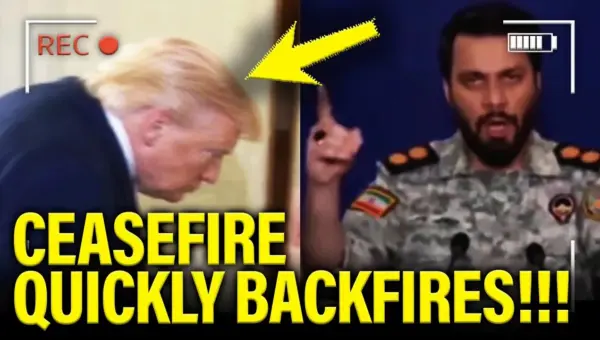
Iran Calls Trump’s Bluff on Ceasefire
Iran is refusing to back down on a ceasefire deal, calling President Trump's bluff. They insist on their own 10-point framework and appear to be exploiting perceived weaknesses in Trump's domestic political standing. This standoff highlights complex international relations and potential shifts in global power dynamics.

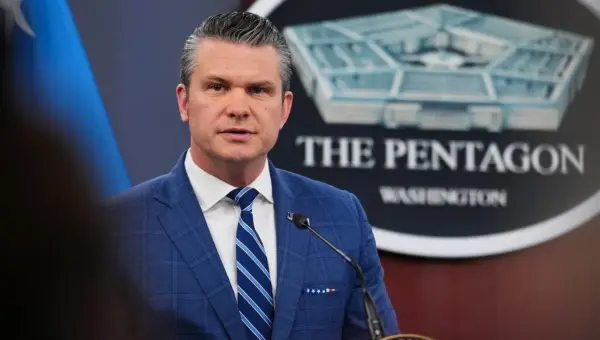
US Navy Blockades Iran, Offers Deal Amid “Operation Epic Fury”
The U.S. Navy has initiated a blockade of Iran's ports and coastline as part of "Operation Epic Fury," aiming to pressure the regime into accepting a deal. The operation involves thousands of personnel and numerous vessels, supported by Treasury's "Operation Seamless" to cut off financial aid. Iran faces a choice between a peaceful future or severe consequences.