US Blockades Iranian Ports Amid Escalating Tensions
The United States has initiated a naval blockade on Iranian ports and coastline, escalating tensions in the Middle East. Iran has responded with threats of retaliation and accusations of violating ceasefire agreements. The operation, termed 'Operation Epic Fury,' involves a significant U.S. military presence and aims to cut off vital resources to Iran.


Tensions Flare as US Implements Iranian Port Blockade
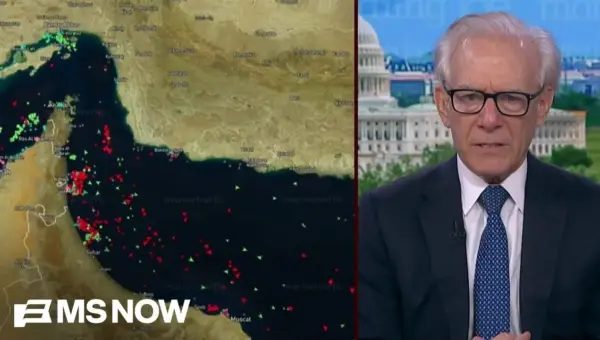
The United States has initiated a significant naval operation, blocking access to Iranian ports and coastline. This action, dubbed ‘Operation Epic Fury,’ began this morning and involves a substantial naval force, including over a dozen ships and dozens of aircraft. The military has described the operation as a direct response to Iran’s actions and a measure to enforce international maritime law.
The U.S. military stated that any vessel attempting to provide material support to Iran, including those carrying Iranian oil, will be intercepted. This blockade aims to cut off vital resources and pressure Iran amid ongoing geopolitical disputes. The operation is being conducted under the leadership of Admiral Kook, with a clear message to Iran about the consequences of non-compliance.
Iran Responds with Threats and Accusations
In response to the U.S. blockade, Iranian officials have issued strong warnings. An Iranian commander called the U.S. operation a violation of a temporary ceasefire agreement, threatening retaliation. Iran has also accused the U.S. of disrupting international shipping lanes, raising concerns about further escalation in the region.
Iranian state media reported that ten ships have already been turned back from the Strait of Hormuz since the blockade began. While the U.S. military has confirmed these actions, details on the exact methods of enforcement, such as verbal warnings or boarding, remain limited. The U.S. has emphasized that its forces are prepared to use force if necessary to enforce the blockade.
Broader Geopolitical Context and Ceasefire Concerns
The U.S. blockade comes amid delicate peace talks between the U.S. and Iran, with mediators reportedly in Tehran. Iran has expressed cautious optimism about the prospects of a deal, stating it is in their best interest to meet U.S. demands. However, the ongoing military actions create a complex backdrop for these diplomatic efforts.
The situation also involves Israel and Lebanon, with reports of potential phone conversations between leaders from both nations. Israeli Prime Minister Benjamin Netanyahu has been pushing to include Lebanon in any broader ceasefire deal with Iran. Meanwhile, within the U.S., there are ongoing debates in Congress regarding war powers and the authorization of military action against Iran.
Economic Ramifications and Market Reactions
The escalating tensions have had ripple effects on the global economy. Despite concerns about oil prices, which remain around $92 a barrel, the stock market has seen significant gains.
The S&P 500 and Nasdaq recently closed at record highs, with corporate profits expected to grow. This bifurcation between market performance and geopolitical instability is a key point of discussion among financial analysts.
The high cost of popular weight-loss drugs, such as GLP-1s, is also impacting businesses. One CEO reported that the expense of these medications forced him to lay off hundreds of workers. This has led some companies to reduce coverage, prioritizing diet and exercise before approving these costly treatments, raising questions about the long-term healthcare strategy.
Domestic Issues: Weather and Education
In addition to international affairs, the U.S. is facing domestic challenges, including severe weather events. Heavy rains have caused major flooding in parts of the Midwest, washing away roads and forcing evacuations. Meanwhile, a heatwave is expected across the Northeast and parts of the South, with temperatures potentially reaching the 90s and flirting with record highs.
The education sector is also experiencing difficulties, with several small colleges announcing closures. Financial struggles and a perceived decline in the value of liberal arts education are cited as key reasons. Experts predict a consolidation of institutions, with a smaller number of colleges remaining in the coming years.
Looking Ahead
The coming days will be critical in monitoring the effectiveness and de-escalation of the U.S. blockade on Iranian ports. Diplomatic efforts will continue, but the military’s posture suggests a readiness for sustained action. The impact on global shipping, oil prices, and regional stability will be closely watched.
Source: LIVE: NBC News NOW – April 16 (YouTube)

Related Articles

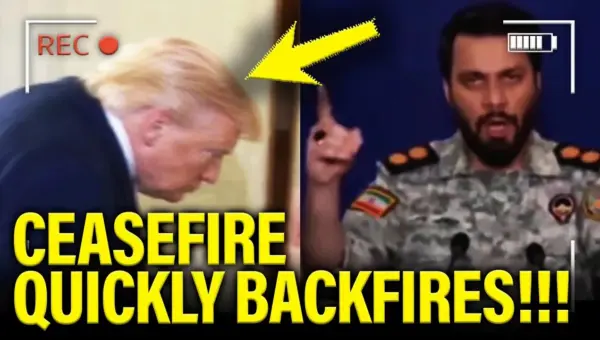
Iran Calls Trump’s Bluff on Ceasefire
Iran is refusing to back down on a ceasefire deal, calling President Trump's bluff. They insist on their own 10-point framework and appear to be exploiting perceived weaknesses in Trump's domestic political standing. This standoff highlights complex international relations and potential shifts in global power dynamics.
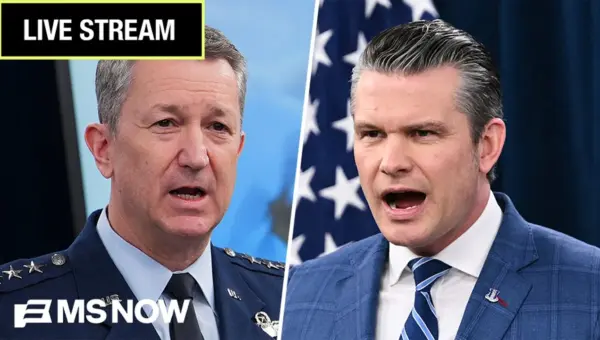
Pentagon Briefs on Iran Port Blockade Amid Ceasefire Deal
The Pentagon briefed reporters on Operation Epic Fury, a U.S. naval blockade of Iranian ports, following a two-week ceasefire agreement. Defense Secretary Pete Hegseth and Gen. Dan Caine detailed the operation's goals, which include preventing the transfer of materials that destabilize the region. The military action aims to support diplomatic efforts and counter Iranian influence.
US Blockade Tightens on Iran Amidst Peace Talks
The U.S. has imposed a naval blockade on Iranian ports in the Strait of Hormuz, halting all ship traffic. Despite the military pressure, diplomatic talks facilitated by Pakistan are showing signs of progress, with both sides potentially meeting again next week. The U.S. strategy appears to be applying economic pressure, akin to waiting for Iran to "tap out" before offering incentives for a deal.