UK Eyes Emergency Laws for Iran War Supply Shock
UK officials are preparing emergency laws and contingency plans to counter potential food shortages linked to the Iran conflict. Concerns center on a critical CO2 shortage that could impact food preservation and processing, with the government weighing measures to boost domestic production.

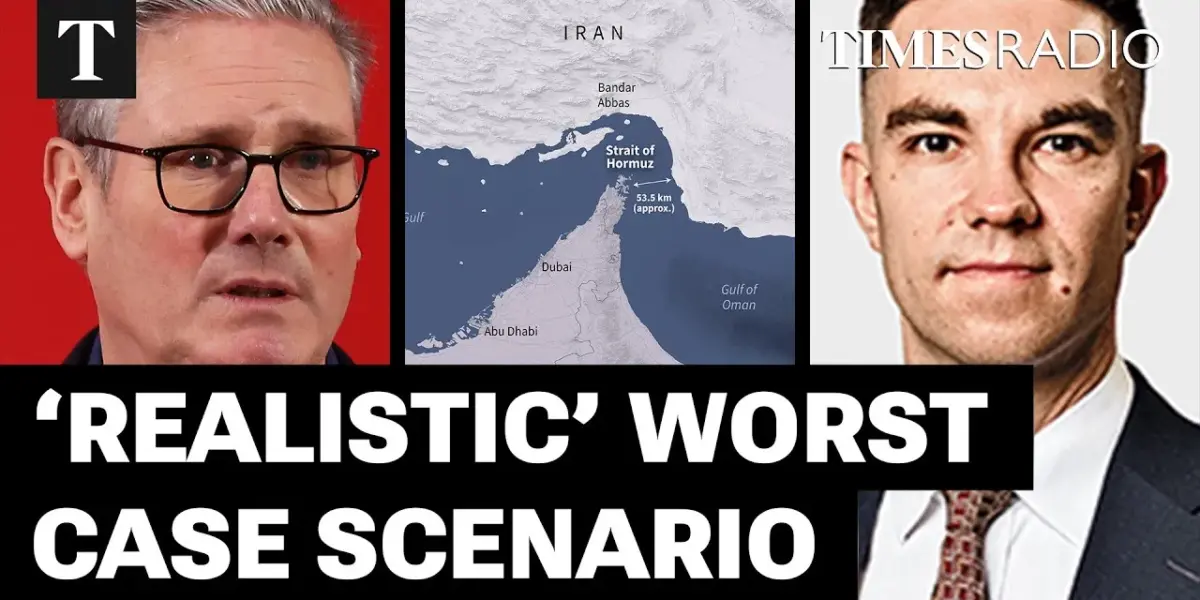
Government War Games Worst-Case Iran Conflict Scenario
British government officials are preparing for potential severe disruptions to food supplies. Senior figures from Downing Street, the Treasury, and the Ministry of Defence have met to plan for a “realistic worst-case scenario” stemming from the ongoing conflict in Iran. These discussions involve drafting emergency legislation and activating contingency plans.
The core concern is the continued closure of the Strait of Hormuz to commercial shipping. This has significant implications for the UK’s supply chains, which are not yet fully felt but could worsen in the coming weeks and months. Officials are particularly worried about a shortage of carbon dioxide (CO2), a vital component in food production and preservation.
CO2 Shortages Threaten Food Shelf Life and Processing
Carbon dioxide is essential for extending the shelf life of many food products found in supermarkets. It is also critical for the humane slaughter of pigs and chickens. Government projections suggest that if CO2 supplies are severely impacted, the UK could face a reduction to just 18% of current levels.
To counter this, the government is considering emergency measures. These could include forcing UK factories to mass-produce CO2, a move estimated to cost taxpayers tens of millions of pounds. Plans also involve activating the Civil Contingencies Act, a law designed to handle major emergencies.
Balancing Public Confidence and Preparedness
Officials are walking a fine line between preparing for potential shortages and avoiding public panic. The government’s public stance is that widespread food shortages are unlikely, with changes more likely affecting the availability of certain products. However, the internal planning shows a clear concern about the potential for the situation in the Middle East to persist and impact domestic supplies.
The government is also reportedly nervous about repeating past mistakes, such as the 2021-2022 petrol shortages. In that instance, public warnings about potential scarcity led to panic buying, creating a crisis that didn’t initially exist. Ministers aim to avoid precipitating a similar situation by carefully managing public communication while preparing for escalating challenges.
Industry Welcomes Contingency Planning Amid Supply Chain Concerns
John Powell, Chief Executive of the British Meat Processors Association, stated that there are currently no CO2 shortages and that the industry welcomes the government’s contingency planning. He emphasized that CO2 is vital not only for food production but also for other sectors like nuclear power and hospitals.
Powell acknowledged that while the UK food system has proven resilient through events like the COVID-19 pandemic and the war in Ukraine, global events are making supply chains less secure. He noted that while the UK is largely self-sufficient in basic food production, it relies on imports for components like CO2.
Domestic CO2 Production and Market Reliance
Historically, the UK had more domestic CO2 production. However, rising costs, particularly linked to fertilizer production, have led to a consolidation of production in Europe. The UK does have some domestic capacity, and a key plant, formerly a bioethanol facility, has been reopened to produce about 40% of the UK’s CO2 needs.
Powell explained that the market largely dictates CO2 supply. While contingency plans are in place, including the reopened plant, the industry relies on European supplies which are currently considered relatively secure. The decision to reopen the plant, which had been mothballed, highlights the reactive nature of ensuring domestic supply when external factors create risk.
Broader Questions on Food Security and Government Preparedness
The situation raises broader questions about the UK’s long-term food security and government preparedness for global shocks. Powell suggested that the industry prefers government to ensure adaptability and market access rather than directly running supply chains. This allows businesses to respond quickly to changing circumstances.
While trade policies, such as a past deal with the US for bioethanol, may have indirect impacts on CO2 production, the focus remains on ensuring a flexible system. The government’s recent actions indicate a recognition of the need for backup plans, even if the immediate threat is not yet critical.
What to Watch Next
The government’s focus will likely remain on monitoring the situation in the Strait of Hormuz and its impact on global energy and shipping prices. Further updates on the activation of emergency legislation or specific industry support measures are expected if the conflict escalates or supply chain disruptions worsen.
Source: UK Could Trigger Emergency Laws To Offset Iran War Worst Case Scenario | Aubrey Allegretti (YouTube)

Related Articles

UK Parliament Member Slams Trump: ‘Dangerous Gangster’
A member of the British Parliament has sharply criticized former U.S. President Donald Trump, calling him a "dangerous and corrupt gangster." This condemnation reflects growing international concern over Trump's potential return to power and his foreign policy approach. The remarks highlight a global backlash amid fears of increased conflict, particularly regarding Iran.

Markets Rally as Investors Bet on End to Iran Conflict
Major stock markets surged to record highs as investors anticipate an end to the conflict in Iran. While oil prices have fallen, consumers may see gasoline prices drop to $3 by September. However, diesel and food prices are expected to decline more gradually.

Iran Conflict Fuels Market Volatility, Inflation Fears
Escalating tensions involving Iran are creating "head spinning" market volatility, according to former NEC director Gene Sperling. While the S&P 500 reaches new highs, persistent inflation and a growing national debt raise concerns for the real economy. The conflict's impact on oil prices and critical shipping lanes like the Strait of Hormuz is a key focus for future economic stability.