Trump Administration Blocks Iran Ports Amid Nuclear Talks
The U.S. has tightened its naval blockade around Iran's ports, potentially violating a cease-fire as peace talks are being organized for next week. Concerns are mounting over the experience of the American negotiating team, led by Jared Kushner and Steve Witkoff, amid disagreements on a proposed 20-year nuclear moratorium. The situation remains tense as thousands of U.S. troops arrive in the region.

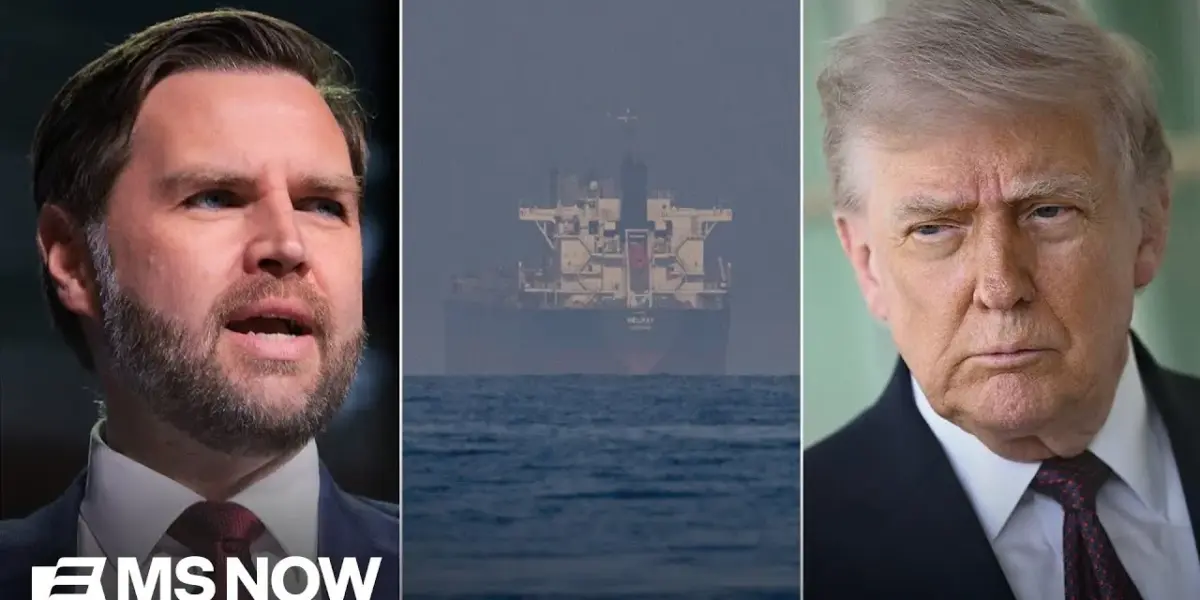
U.S. Naval Blockade Tightens Around Iran Amid Diplomatic Uncertainty
The United States has intensified its naval blockade of Iran’s ports, a move that an Iranian military commander has warned could violate the current cease-fire and lead to retaliation. This action comes as the second round of peace talks between the U.S. and Iran is reportedly being planned for next week, though no official date has been set. Both nations are said to be considering a two-week extension of the cease-fire, which is set to expire on April 21st.
The Iranian commander stated that the ongoing blockade risks creating insecurity for commercial and oil vessels, vowing a strong response if it continues. U.S. Central Command reported that an Iranian cargo vessel attempted to bypass the blockade yesterday but was successfully redirected by a U.S. missile destroyer. Since Monday, ten ships have been turned away, with no vessels successfully passing through the blocked ports.
Concerns Rise Over U.S. Negotiating Team’s Experience
Thousands of American forces are also heading to the region, adding to the complex situation. Meanwhile, questions are being raised about the experience of the U.S. negotiating team.
Special Envoy Steve Witkoff and President Trump’s son-in-law, Jared Kushner, who does not hold a government position, are reportedly leading the talks. This has led to criticism, with one Bloomberg headline calling them “America’s amateur diplomats.”
Naira Huck, former White House senior director and State Department advisor, expressed concern about this approach. She noted that while the old methods may not have worked, the results so far have also been questionable. Huck pointed out that traditional government experts on Iran, who understand the country and its people, are not being utilized.
Disagreement Over Proposed 20-Year Nuclear Moratorium
During the last round of talks, Vice President J.D. Vance proposed a 20-year moratorium on Iran’s nuclear activities.
Iran reportedly countered with a three-year proposal. However, President Trump recently told the New York Post that he does not favor a 20-year limit, stating that Iran can never possess nuclear weapons.
Mark Short, former White House Legislative Affairs Director, believes the President’s public statements are consistent with his long-standing position. He argued that Iran has a history of breaking agreements, making any deal difficult to trust. Short suggested that the President is taking the right stance by not favoring a timeline that would eventually allow Iran to develop nuclear weapons.
Analysis of the Diplomatic Strategy
Peter Baker, Chief White House Correspondent for The New York Times, highlighted the unconventional nature of these negotiations. He noted that the U.S. is now blocking the Strait of Hormuz, a significant shift from Iran historically holding that position. Baker questioned the accountability and traditional methods being used in these diplomatic efforts.
Daniel Ko, former White House deputy cabinet secretary, suggested that military action can be a tool to achieve foreign policy goals. However, he emphasized that diplomacy and negotiated resolutions are ultimately necessary to end conflicts. Ko drew a parallel to Israel’s long-standing posture of being on constant war footing, noting the significant domestic toll such a strategy can take.
Broader Implications and Future Outlook
The involvement of individuals without traditional diplomatic or Senate-confirmed roles in such high-stakes negotiations raises concerns about accountability and the potential for effective, lasting agreements. The administration’s approach appears to be a departure from established diplomatic norms, leading to skepticism about its long-term success.
As U.S. forces increase their presence in the region and the cease-fire deadline approaches, the effectiveness of the current diplomatic strategy remains uncertain. The coming days will be crucial in determining whether a resolution can be reached or if tensions will continue to escalate.
Source: Trump denounces U.S. bid for 20-year Iranian nuclear suspension (YouTube)

Related Articles

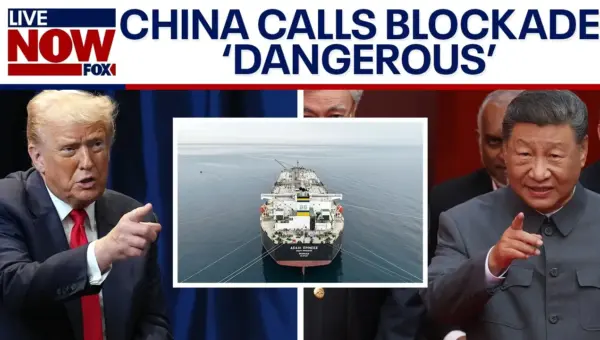
China Agrees Not to Send Weapons to Iran, Trump Claims
President Trump claims China has agreed to stop sending weapons to Iran, a move aimed at increasing pressure on Tehran. The U.S. is also tightening economic sanctions and enforcing a naval blockade on Iranian ports. Diplomatic talks are ongoing as a ceasefire nears its expiration.

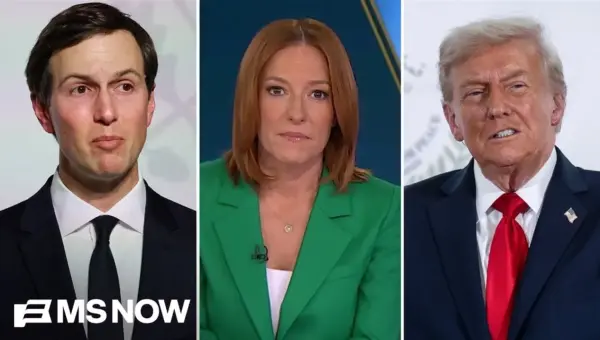
Kushner, Witkoff Conflicts Cast Shadow on US-Iran Talks
President Trump's repeated claims that the war with Iran is nearly over are met with skepticism, especially as Iran threatens to block vital shipping lanes. Concerns are mounting over potential conflicts of interest involving key U.S. negotiators like Jared Kushner and Steve Witkoff, whose business dealings have financial ties to nations involved in the talks. The article questions whether past diplomatic opportunities were missed, leaving the fate of U.S. troops in the region uncertain.

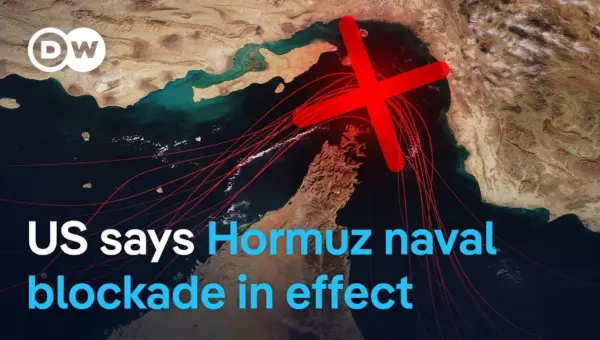
US Navy Blocks Iran’s Sea Trade, Escalating Regional Tensions
The U.S. military has announced a naval blockade on Iran, halting all sea-based trade and asserting control over maritime traffic. This action follows Iran's earlier disruption of the vital Strait of Hormuz. Experts weigh in on the legality, effectiveness, and potential for escalation, with concerns raised about China's role and the strain on U.S. naval resources.