Tax Refunds Bolster Economy, But Inflation Woes Linger
The Trump administration is promoting increased tax refunds as a key economic benefit, aiming to boost consumer spending and frame tax season positively. While the stock market shows strength, persistent inflation and high living costs present ongoing challenges for American households.

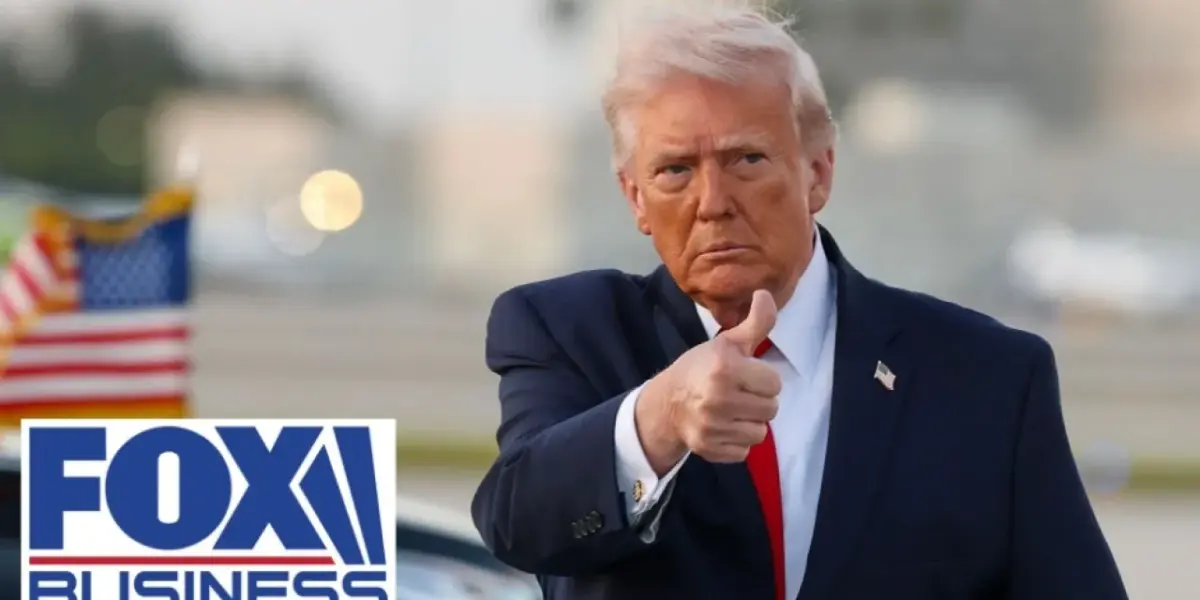
Trump Administration Highlights Tax Refund Growth Amidst Economic Concerns
The Trump administration is celebrating “Happy Refund Day,” pointing to increased tax refunds as a positive sign for American households. Officials emphasize that these refunds, distributed around the typical tax filing deadline, are providing a financial boost to many citizens. This initiative aims to frame tax season, often viewed with dread, as a period of financial relief and optimism for taxpayers.
During a recent discussion, Congressman Mike Kelly highlighted the significance of these refunds, particularly for those new to the tax system or relying on fixed incomes. He shared an anecdote about a young college graduate receiving an $1,100 refund, her first experience with the tax system. This is presented as evidence of a more favorable tax environment designed to put more money directly into the pockets of hardworking Americans.
Key Tax Policy Changes Emphasized
The administration is touting tax cuts enacted during its term, arguing they have made the U.S. more tax-friendly. Specific policies mentioned include eliminating taxes on tips and ensuring seniors can keep their Social Security benefits without additional taxation. These measures are framed as direct benefits aimed at improving the financial well-being of vulnerable populations and those nearing or in retirement.
The current tax policies are contrasted with past approaches, with critics suggesting that tax hikes were previously supported by Democrats. The administration asserts that its tax cuts have made permanent a more favorable system for individuals and businesses alike. This narrative aims to highlight the economic benefits derived from the administration’s fiscal policies.
Inflation and High Costs Cloud Optimism
Despite the positive messaging around tax refunds, concerns about the broader economy persist. Critics point to rising gas prices, record cattle prices leading to more expensive steaks, and persistently high mortgage rates as significant burdens for consumers. These economic challenges create a complex picture for many American families, tempering the celebratory tone of “Happy Refund Day.”
The transcript notes that inflation reached 21% during the Biden administration, a figure contrasted with the perceived affordability under the Trump administration. However, the current economic environment presents a significant hurdle. The expectation is that relief from high prices will not be immediate, requiring patience as economic conditions potentially improve over time.
Market Performance and Future Outlook
The stock market is highlighted as a positive indicator, having returned to pre-pandemic levels and even reaching new all-time highs. This performance is seen as a sign of economic strength and investor confidence. The administration suggests that further economic improvements, such as stabilizing gas prices, could significantly enhance consumer sentiment, especially around holidays like the Fourth of July.
The article points to the upcoming 250th anniversary of the nation as a moment to reflect on its strength and global standing. The goal is to position the U.S. as the most tax-friendly nation, ensuring its citizens have more disposable income. This focus on economic policy and market performance aims to build a narrative of prosperity and national pride leading into future celebrations.
Market Impact
The emphasis on tax refunds and enacted tax cuts aims to stimulate consumer spending. This could provide a short-term boost to the economy as individuals receive and utilize their refund money. The positive stock market performance offers a psychological lift to investors, signaling a potentially resilient economic environment despite inflationary pressures.
However, the persistent issues of high inflation, energy costs, and interest rates pose significant headwinds. These factors could offset the benefits of tax refunds for many households, particularly those with lower or fixed incomes. The long-term impact will depend on whether broader economic policies can effectively address these cost-of-living challenges.
What Investors Should Know
Investors are being presented with a dual narrative: one of financial relief through tax refunds and policy changes, and another of ongoing economic challenges like inflation. The strong performance of the stock market suggests that, at least for now, corporate earnings and investor sentiment are not being derailed by these broader economic concerns.
It is crucial for investors to look beyond the immediate headlines and assess the sustainability of current market highs against the backdrop of real-world economic pressures. The administration’s focus on tax policy and market performance may be a strategy to strengthen confidence, but the real economy’s health will ultimately dictate longer-term investment outcomes.
The article concludes by referencing the upcoming Fourth of July holiday, suggesting that a reduction in gas prices could significantly improve the celebratory mood for Americans.
Source: 'HAPPY REFUND DAY': Trump admin touts tax refunds (YouTube)

Related Articles


Tax Law Changes Spark Debate: Citizens Share Their Views
As tax season arrives, Americans are sharing their thoughts on recent changes to their returns. While some welcome increased refunds due to new laws, others question government spending and the idea of abolishing income tax entirely. The public's views highlight ongoing debates about fairness and efficiency in the tax system.


Storms Rage, Live Nation Found Guilty, Markets Soar
Severe storms with tornadoes and flooding are impacting millions across the U.S. Meanwhile, Live Nation, owner of Ticketmaster, was found guilty of illegal monopoly practices. Wall Street markets hit record highs despite global tensions, while Turkey faces tragedy with two school shootings.

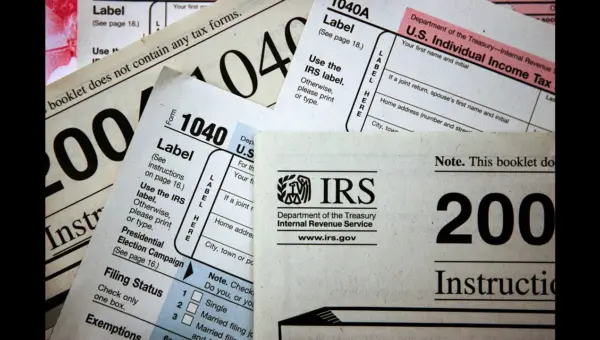
Tax Cuts Boost Economy, But Liberal Policies Drain States
New tax policies offer immediate financial relief by exempting tips, overtime, and Social Security from federal income tax, boosting the economy. However, critics argue that liberal state policies in places like Oregon and New York lead to inefficiency and economic decline, while political pressures on the Federal Reserve add uncertainty.