Trump’s Iran War Costly for Americans, Senator Says
Senator Amy Klobuchar argues that Donald Trump's war in Iran is directly costing Americans more money, citing rising gas prices and increased costs for goods like fertilizer. She believes the billions spent on the conflict could instead fund crucial domestic programs like healthcare extensions and affordable housing initiatives.

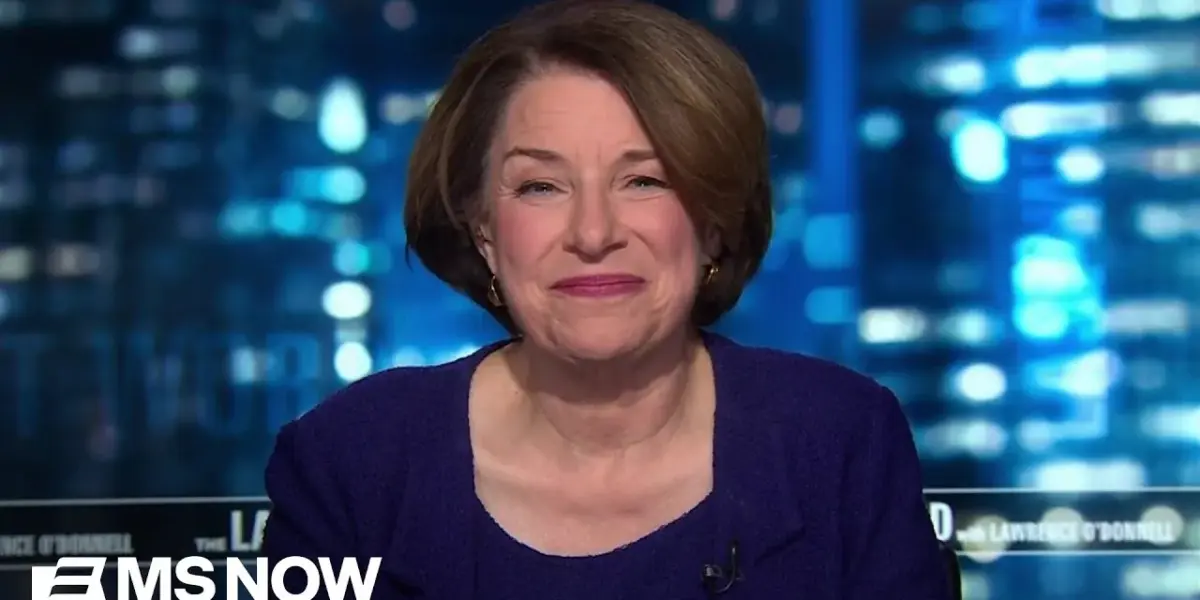
Senator Klobuchar Links Iran War to Rising Costs for Americans
Senator Amy Klobuchar is drawing a direct line between former President Donald Trump’s decision to enter a war with Iran and the increasing financial strain on everyday Americans. She argues that the billions spent on this conflict could be used to fund vital domestic programs that would directly benefit citizens.
The Senate recently voted on continuing the war, with every Republican senator running for reelection voting in favor. Klobuchar believes the American public is starting to see how Trump’s actions, from tariffs to military engagements, impact their wallets. Gas prices, in particular, have been steadily rising, leading many to question the cost of this prolonged conflict.
Congress Should Authorize War, Klobuchar Argues
Klobuchar emphasized that Trump initiated the war unilaterally, without seeking approval from Congress. This, she stated, is why Senate leaders like Chuck Schumer are pushing for votes to assert Congress’s constitutional authority to declare war.
The war is now 45 to 46 days old and has already cost an estimated $44 billion. Klobuchar pointed out that Trump is now asking for an additional $200 billion. She questioned what this vast sum could achieve if invested domestically.
Domestic Investments Trump’s War Funds Could Provide
Klobuchar detailed several potential domestic uses for the $200 billion Trump is seeking for the Iran conflict. This funding, she explained, could extend the Affordable Care Act’s tax credits for seven years. It could also provide three years of coverage for hearing, vision, and dental care for Medicare recipients.
The money could help build millions of new homes, a significant need for young people struggling to afford their first home. Klobuchar framed this as a matter of value judgment, suggesting that prioritizing domestic needs over military spending would yield greater benefits for Americans.
Voters Expressing “Remorse” Over War Costs
Many voters, including those who previously supported Trump, are now reportedly having second thoughts. They feel misled by promises to avoid prolonged wars and are concerned about the rising costs associated with the current conflict. Klobuchar noted that these voters are realizing they cannot afford the ongoing expenses.
Interviews with Trump voters around the country have shown that many directly attribute rising gas prices to Trump’s war policies. They express disappointment, stating this is not what they voted for.
Farmers Facing Economic Hardship
Klobuchar met with corn and soybean growers in Minnesota who are also feeling the economic pinch. The closure of the Strait of Hormuz, a potential consequence of war with Iran that Trump may not have fully considered, is directly impacting them.
Ammonia, a key ingredient in fertilizer, passes through the Strait of Hormuz. Roughly 30% of the world’s supply and 50% of America’s supply go through this vital waterway. Farmers were already dealing with a difficult market and rising input costs due to tariffs, and the war has worsened their situation.
War’s Ripple Effect on the Economy
The impact of the Iran conflict extends beyond agriculture, affecting the cost of plastics and other oil-dependent products. Klobuchar stated that these costs are now reverberating throughout the entire economy. She added that Trump can no longer blame President Biden for these rising prices, as the decision to engage in the war was unilateral.
The senator also touched upon domestic governance, suggesting that state leaders like herself would need to address many issues if elected. She believes federal policies and their costs are directly linked to what happens at the state level.
Klobuchar: “I’m a Mom, I Can Do Both”
When discussing her potential run for governor, Klobuchar stated that she can handle both federal and state responsibilities. She believes Minnesotans want leaders who will not only oversee federal issues but also fix problems within state government.
She highlighted how federal policies, like tariffs and the rising gas prices linked to the Iran war, affect families. Tariffs alone, she estimated, add about $1,700 a year to the cost for every American family. She questioned Trump’s actions on housing affordability, noting that his tariffs make timber more expensive, hindering home construction.
Trump’s Stance on Social Programs
Klobuchar referenced recent comments from Trump suggesting that the federal government cannot afford to fund daycare, Medicaid, and Medicare simultaneously. Trump indicated that these programs might need to be handled at the state level. Klobuchar criticized this approach, arguing that it leaves states to fend for themselves while federal resources are concentrated on military spending.
She concluded that Trump’s approach prioritizes military protection above all else, potentially reducing the budget for other essential services. This, she believes, is a direct consequence of his decision-making regarding the war.
Looking Ahead: The Cost of Conflict
As the conflict in Iran continues, the focus will likely remain on its economic impact both domestically and internationally. The debate over prioritizing federal spending between military actions and social programs is expected to intensify, especially as elections approach.
Voters will be watching closely to see how these financial pressures influence political decisions and their own household budgets in the coming months.
Source: Sen. Klobuchar: What Trump is asking for his Iran war could help the lives of Americans (YouTube)

Related Articles

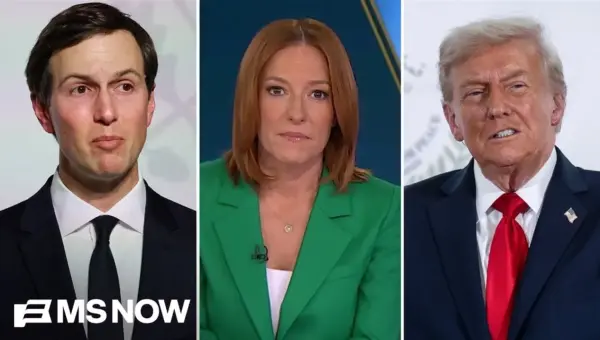
Kushner, Witkoff Conflicts Cast Shadow on US-Iran Talks
President Trump's repeated claims that the war with Iran is nearly over are met with skepticism, especially as Iran threatens to block vital shipping lanes. Concerns are mounting over potential conflicts of interest involving key U.S. negotiators like Jared Kushner and Steve Witkoff, whose business dealings have financial ties to nations involved in the talks. The article questions whether past diplomatic opportunities were missed, leaving the fate of U.S. troops in the region uncertain.
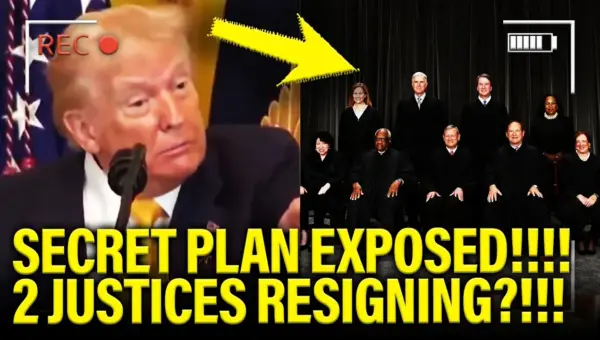
Judge’s Bold Rulings Hint at SCOTUS Audition
Recent strong rulings by DC Circuit Judge Florence Vance are interpreted by some as an audition for a Supreme Court seat. Her aggressive language and criticism of fellow judges mirror Donald Trump's style, suggesting a bid for favor. This has sparked debate about judicial independence and the politicization of appointments.

Trump’s Allies Defend His Faith Attacks, Exposing Hypocrisy
Donald Trump's attacks on Pope Francis and controversial social media posts have drawn criticism, with many allies defending his actions. This defense has led to accusations of hypocrisy, as critics question whether political loyalty is overshadowing genuine religious conviction. The situation highlights a complex relationship between faith and politics in the current era.