Trump and Pope Clash: Two Sides of Global Danger
Bill O'Reilly argues that both Pope Francis and President Trump are correct in their differing views on global threats. The Pope promotes pacifism for a better world, while Trump highlights present dangers requiring American power to confront them. This discussion unpacks the tension between idealistic peace and assertive action in international affairs.

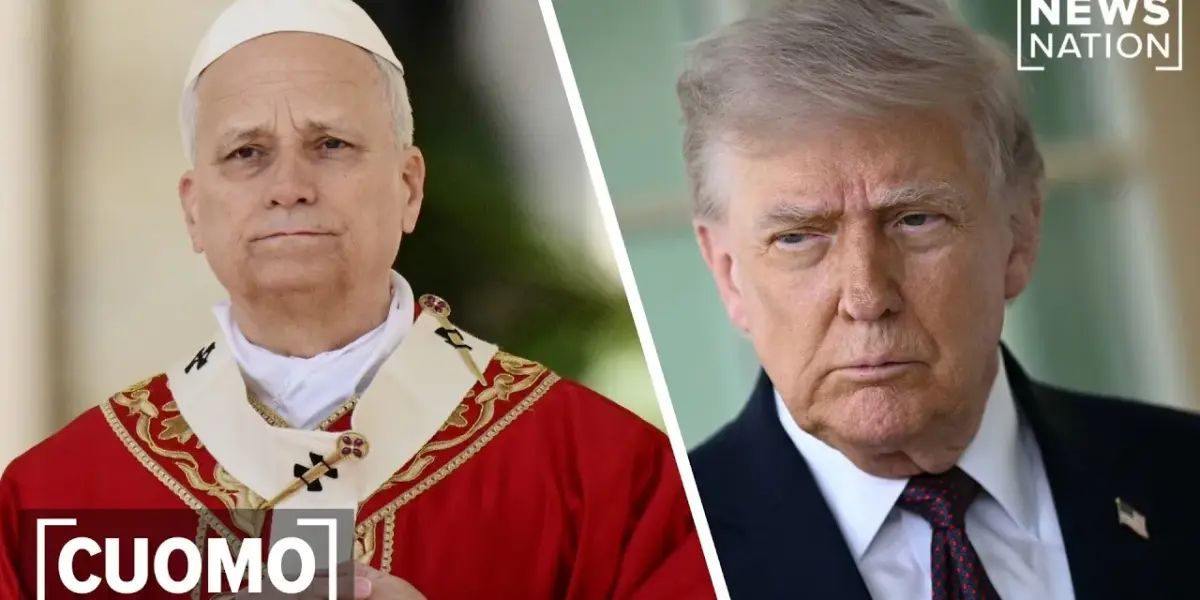
Trump and Pope Clash: Two Sides of Global Danger
Bill O’Reilly believes both President Trump and Pope Francis are right in their differing views on global threats. The Pope, O’Reilly explains, advocates for pacifism, suggesting a world built on peace would be much better. This approach focuses on the ideal outcome for humanity.
On the other hand, Donald Trump is right to point out real dangers in the world. He believes America’s power compels him to confront these threats. This viewpoint emphasizes the need for action against present-day risks.
A World of Heroes and Villains
O’Reilly uses an analogy to explain how people often see the world in black and white. He notes that in the United States, we often have to pick sides, creating a hero and a villain. This is like a Beach Boys song, always picking one side.
However, O’Reilly argues that in the case of Trump and the Pope, it’s not that simple. He believes they both have different jobs to do and are doing them effectively. The conflict arises from the perception of their roles and messages.
The Pope’s Role and Trump’s Disrespect
Chris Cuomo raises a key concern: President Trump is speaking with disrespect towards the Pope. He feels the Pope is being wrongly made into a political figure, which he is not. This is seen as a personal issue, not just about policy.
Cuomo points out that the outcome of events, like the situation in Iran, is uncertain. He suggests America seems to be the only one pushing for a specific end. This creates a dynamic where one nation’s desire might be driving the conflict.
The Strait of Hormuz: A Strategic Point
O’Reilly shifts the focus to the Strait of Hormuz, a critical waterway. He believes Israel wants the situation there to change. He mentions that the recent events involving ships turning back without violence are a sign of an effective strategy.
He suggests this strategy might lead to negotiations starting again soon. O’Reilly sees this as a positive development, indicating a de-escalation. He believes the situation is turning in America’s favor.
Historical Context: The Need for Action
Historically, nations have often faced decisions between peaceful ideals and the necessity of confronting threats. The Pope’s call for pacifism reflects a long-standing philosophical and religious tradition. This ideal promotes non-violence and understanding as the primary means of resolving conflict.
Conversely, leaders like Trump often operate from a position of national interest and security. This perspective prioritizes the protection of citizens and allies by actively addressing perceived dangers. It’s a view that has shaped foreign policy for centuries, where strength is seen as a necessary deterrent.
Why This Matters
The tension between these two viewpoints highlights a fundamental debate in how the world should operate. Should nations prioritize idealistic peace, even if it means ignoring present dangers? Or is it more practical to confront threats directly, even if it risks conflict?
This discussion impacts international relations, military strategies, and diplomatic efforts. Understanding these differing perspectives is crucial for grasping the complexities of global politics and the choices leaders make.
Implications and Future Outlook
The exchange between Trump and Pope Francis, as discussed by O’Reilly and Cuomo, shows a division in how to approach global challenges. One side seeks a world free from conflict through ideal principles, while the other focuses on managing immediate threats with assertive action.
The future may involve continued debate and potential policy shifts based on which approach gains more traction. The effectiveness of Trump’s assertive strategy versus the Pope’s peaceful ideals will likely be judged by future events and their outcomes.
The situation in the Strait of Hormuz, O’Reilly suggests, could be a turning point. If de-escalation occurs without major conflict, it might support the idea that strategic pressure can lead to peaceful resolution. This could influence how future international crises are handled.
Ultimately, the question of how to best ensure global safety and well-being remains. It requires balancing the pursuit of peace with the practical need to address dangers. The differing views of leaders like Pope Francis and President Trump offer two distinct paths forward.
The next steps in the Strait of Hormuz situation will be closely watched. Any new negotiations or developments will offer further insight into the effectiveness of current strategies.
Source: Trump and Pope Leo are right about one another in trading barbs: Bill O’Reilly | CUOMO (YouTube)

Related Articles
Trump’s Cuba Blockade Fuels Humanitarian Crisis
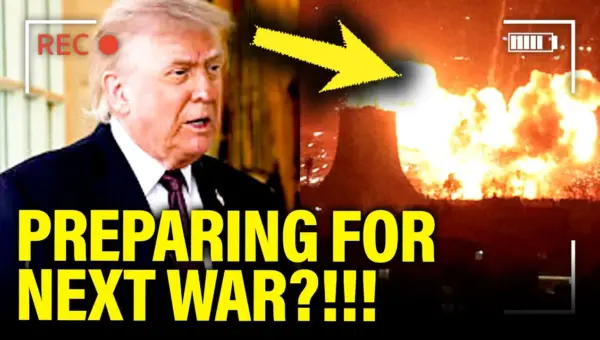
Reports indicate Donald Trump is escalating actions against Cuba, creating a severe humanitarian crisis through a three-month oil blockade. This "economic war" cripples essential services, harming vulnerable populations and pushing Cuba closer to Russia.
Trump’s Allies Defend His Faith Attacks, Exposing Hypocrisy
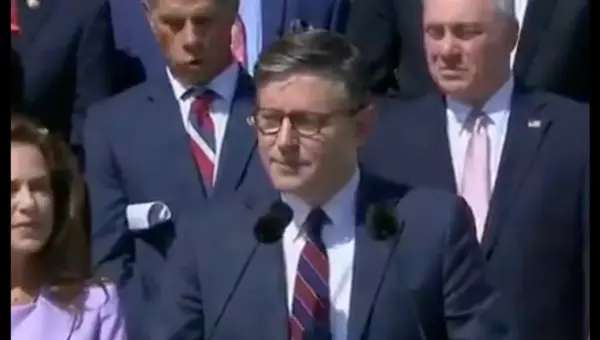
Donald Trump's attacks on Pope Francis and controversial social media posts have drawn criticism, with many allies defending his actions. This defense has led to accusations of hypocrisy, as critics question whether political loyalty is overshadowing genuine religious conviction. The situation highlights a complex relationship between faith and politics in the current era.
China Aids Iran, Trump to Confront Xi on Trade
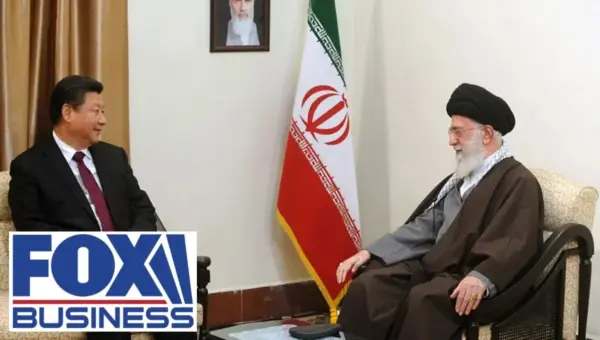
President Trump plans to discuss China's alleged support for Iran with President Xi Jinping at an upcoming summit. Reports indicate Iran has used Chinese spy satellites, and concerns exist over dual-use technology transfers. U.S. actions to limit Iran's oil exports aim to pressure China, a key energy partner.