Judge’s Bold Rulings Hint at SCOTUS Audition
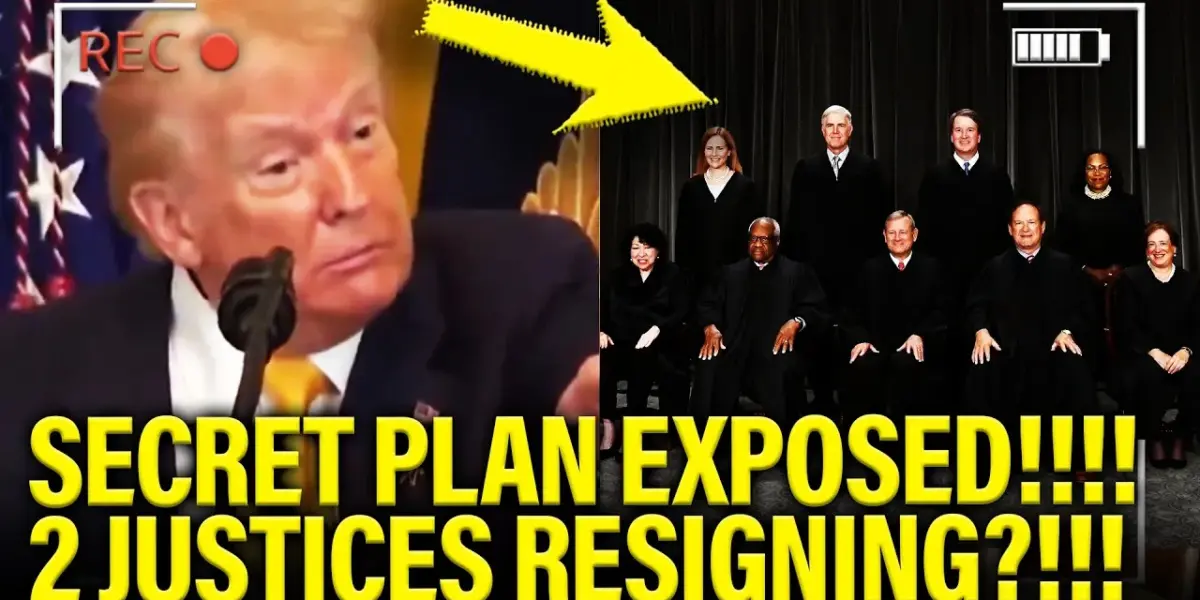
Recent strong rulings by DC Circuit Judge Florence Vance are interpreted by some as an audition for a Supreme Court seat. Her aggressive language and criticism of fellow judges mirror Donald Trump's style, suggesting a bid for favor. This has sparked debate about judicial independence and the politicization of appointments.

Judge’s Bold Rulings Hint at SCOTUS Audition
Recent court decisions by a judge on the powerful DC Circuit have sparked serious talk about a potential audition for a Supreme Court seat. Judge Florence Vance, as she is referred to in the transcript, has issued rulings that critics say go far beyond normal legal arguments. These opinions seem to echo the language and style favored by former President Donald Trump.
The focus is on how Judge Vance has handled cases involving Donald Trump and his allies. Her opinions have been described as unusually strong and even aggressive.
This has led some legal observers to believe she is trying to impress Trump and his team. They suggest this could be a way to get noticed for a future Supreme Court nomination.
A Pattern of Strong Opinions
One key case involved Donald Trump’s ability to continue building a ballroom. The ruling itself allowed the construction to proceed. However, the way Judge Vance wrote her opinion drew significant attention.
She strongly criticized a lower court judge who had ruled against Trump. The language used was described as hyperbolic and overly dramatic. Judge Vance questioned how a district court judge could put a president’s life at risk, especially when the commander-in-chief claimed the ballroom had advanced safety features.
This type of sharp criticism of a fellow judge is considered unusual. Legal experts note that courts of appeal usually show more respect when disagreeing with lower courts. The language used by Judge Vance was seen as a direct attack, not just a legal disagreement.
Challenging Criminal Contempt Proceedings
Another ruling involved attempts to move forward with criminal contempt proceedings against former Trump administration officials. Judge Vance stepped in to stop these proceedings.
Again, the criticism directed at the district court judge handling the case was notably harsh. This judge, identified as Judge Boasberg, has been making rulings to further these contempt actions. Judge Vance not only blocked the proceedings but also strongly attacked Judge Boasberg’s actions and motives.
Legal analysts point out that using a writ of mandamus, as Judge Vance did, is an extreme measure. It requires showing a clear and undeniable need for intervention.
Many believe the justification for using it in this case was weak. The strong language against Judge Boasberg, who is described as a respected prosecutor and judge, further fueled the idea of a deliberate attempt to please Trump.
The “Audition” Theory
The core argument from some commentators is that Judge Vance’s actions are a strategic move. They believe she is actively seeking a Supreme Court nomination from a potential future Republican president.
This idea is supported by the fact that Donald Trump himself has often criticized judges who rule against him. He has used his social media platform to attack judges, including Judge Boasberg. By mirroring this behavior and attacking judges Trump dislikes, Judge Vance appears to be signaling her loyalty.
The transcript compares Judge Vance’s approach to that of another federal judge in Florida, Eileen Cannon. Judge Cannon has also issued rulings favorable to Trump. This suggests a possible trend of judges taking strong, Trump-aligned stances to gain favor.
Supreme Court Justices and Potential Openings
The discussion also touches on the possibility of current Supreme Court justices retiring. Justices like Clarence Thomas and Samuel Alito are mentioned as potential candidates for stepping down.
The timing of any potential retirements is crucial. If justices retire before or during a Republican presidency, it would allow for the appointment of new, potentially more conservative judges. This could further solidify a conservative majority on the court.
The political climate, especially upcoming midterm elections, plays a role. If Democrats gain control of the Senate, they could block or delay confirmation hearings for any Trump nominees. This makes the timing of retirements and nominations very important for both parties.
Historical Context and Judicial Norms
The way judges interact with each other in legal opinions is usually governed by certain norms. These norms emphasize respect and professionalism, even when disagreeing on legal points.
Appellate courts, like the DC Circuit, are expected to correct errors made by lower courts. However, they are typically expected to do so respectfully. Phrases like “the learned district court judge failed to take heed” are more common than direct personal attacks.
Judge Vance’s strong language and personal criticisms of fellow judges are seen as a break from these established traditions. This departure from normal judicial conduct is what makes her rulings stand out and fuels speculation about her motives.
Why This Matters
The potential for a Supreme Court justice to be chosen based on perceived loyalty rather than solely on legal qualifications is a significant concern. It could impact the court’s legitimacy and its role as an impartial arbiter of law.
If judges are seen as auditioning for political favor, it could erode public trust in the judiciary. The idea that judicial appointments are becoming more politicized is a worrying trend for many. This could lead to a court that is seen as less independent and more aligned with a particular political party.
Implications and Future Outlook
The current political environment suggests that judicial appointments will remain a major focus. Both parties will be looking for opportunities to shape the federal courts, especially the Supreme Court.
The actions of judges like Vance will be closely watched. Their rulings and public statements could influence future nominations and confirmations. The upcoming elections will be critical in determining the political landscape for judicial appointments.
The possibility of more retirements from the Supreme Court remains high. Justices may choose to step down to ensure their successors align with their judicial philosophy. This could lead to a period of significant change on the court.
The next few months, particularly around the end of the Supreme Court’s term in June, will be important. Many court watchers will be looking for any signs of resignations. This could set the stage for new nomination battles in the near future.
Ultimately, the focus remains on how judicial independence is maintained. The balance between legal merit and political considerations in judicial appointments will continue to be debated. The events surrounding Judge Vance’s rulings highlight the ongoing tensions in this area.
Legal experts will be paying close attention to any further actions or statements from Judge Vance. They will also be monitoring the health and intentions of older Supreme Court justices. The possibility of new Supreme Court hearings and potential confirmation battles is a real prospect.
Source: SECRET Trump SCOTUS PLAN EXPOSED…2 JUSTICES RESIGNING!! (YouTube)

Related Articles
Trump’s War Claims Spark Stupidity or Insanity Debate
Donald Trump's recent claim that 'nobody has ever ended one war' has sparked debate about his mental state and political awareness. Experts and critics point to his past statements and actions, including his handling of the Strait of Hormuz conflict, raising concerns about his fitness for office. The upcoming elections are seen as a critical juncture for assessing his political standing.


UK Parliament Member Slams Trump: ‘Dangerous Gangster’
A member of the British Parliament has sharply criticized former U.S. President Donald Trump, calling him a "dangerous and corrupt gangster." This condemnation reflects growing international concern over Trump's potential return to power and his foreign policy approach. The remarks highlight a global backlash amid fears of increased conflict, particularly regarding Iran.

Trump’s Iran War Costly for Americans, Senator Says
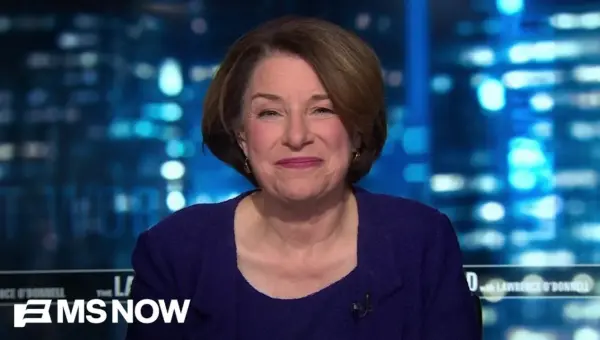
Senator Amy Klobuchar argues that Donald Trump's war in Iran is directly costing Americans more money, citing rising gas prices and increased costs for goods like fertilizer. She believes the billions spent on the conflict could instead fund crucial domestic programs like healthcare extensions and affordable housing initiatives.