House Acts to Ground Midair Collision Threats
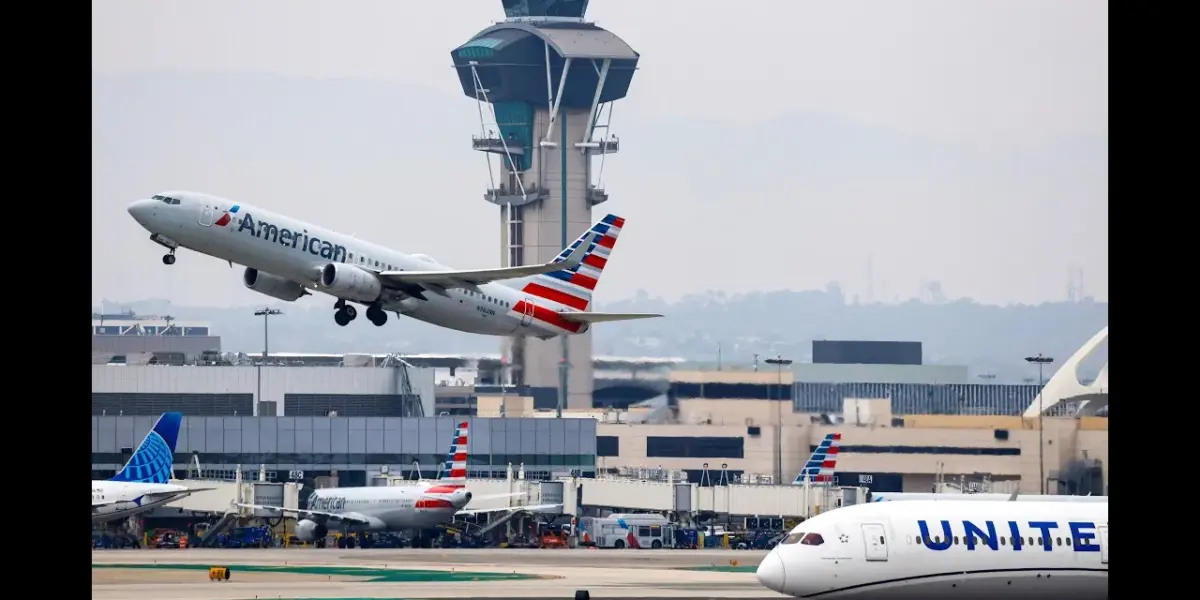
The House has passed the Alert Act, a bill mandating advanced tracking and collision avoidance technology for aircraft in busy airspace. This legislation, inspired by a recent fatal crash, aims to prevent mid-air collisions and has bipartisan support. It now heads to the Senate for consideration.

House Acts to Ground Midair Collision Threats
The House of Representatives has taken a significant step towards making our skies safer. They recently passed a new bill designed to prevent tragic mid-air collisions.
This important legislation comes after a devastating crash last year involving a commercial airplane and an army helicopter near Washington, D.C. The incident served as a clear reminder of the potential dangers that still exist in our airspace.
The proposed law, known as the Alert Act, focuses on upgrading the technology used by aircraft. It would require planes flying in busy air traffic areas to use advanced tracking and collision avoidance systems.
Think of it like having a much smarter GPS for planes, one that actively warns pilots about other aircraft nearby and helps them steer clear. This is a crucial upgrade for modern air travel.
National Transportation Safety Board (NTSB) Chairwoman Jennifer Homendy has voiced strong support for the bill. She stated that a system like the one proposed would have likely prevented the fatal crash that occurred.
Her testimony highlights the real-world impact of outdated safety measures. The NTSB is a government agency that investigates transportation accidents and makes recommendations to prevent future ones.
The Alert Act has gained broad support from important groups within the aviation industry. This includes airlines, pilot unions, and technology providers who all recognize the need for improved safety.
When key players in an industry agree on a solution, it often means the solution is practical and effective. This kind of consensus is vital for passing meaningful legislation.
The bill passed the House with strong agreement from both major political parties. This bipartisan backing shows that improving air safety is a priority that transcends political differences.
Now, the legislation moves to the Senate for consideration. If passed by the Senate and signed into law, it could significantly reduce the risk of similar accidents in the future.
Why This Matters
The passage of the Alert Act is more than just a legislative victory; it’s a critical step towards ensuring the safety of everyone who flies. Mid-air collisions, though rare, are catastrophic events with devastating consequences.
The NTSB has investigated numerous incidents over the years where better communication or tracking technology could have made a difference. This bill directly addresses those gaps.
The technology mandated by the Alert Act aims to create a more connected and aware air traffic environment. Current systems, while advanced, may not always provide the immediate, real-time information needed to avert disaster in complex airspace.
Implementing advanced collision avoidance technology is akin to giving every pilot a guardian angel that sees all potential threats. This proactive approach is far more effective than reacting to accidents after they happen.
Historical Context and Background
Concerns about mid-air collisions are not new to aviation. Early aviation was marked by a higher frequency of such events as pilots learned to navigate shared airspace.
As air traffic grew over the decades, so did the need for sophisticated air traffic control and onboard warning systems. The development of radar and later, more advanced transponders, were major leaps forward.
However, the rapid increase in air traffic volume and the complexity of airspace, especially around major cities, has continued to challenge existing safety measures. The 2023 crash near Washington, D.C., was a tragic illustration of how even with current systems, near misses and potential collisions can still occur. It highlighted the need for the next generation of safety technology.
Implications, Trends, and Future Outlook
If the Alert Act becomes law, it will likely spur further investment and innovation in aviation safety technology. Companies will be motivated to develop and deploy systems that meet the new federal requirements. This could lead to a faster adoption of advanced tracking and collision avoidance across the entire fleet, not just in busy areas.
The trend in aviation safety has always been towards greater automation and information sharing. This bill fits squarely within that trend, pushing the industry towards a more integrated and intelligent system. The future of air travel likely involves aircraft communicating more directly with each other and with air traffic control in real-time, creating layers of safety.
The success of the Alert Act in the Senate and its eventual implementation will be closely watched. It could set a precedent for future safety regulations, potentially influencing how other countries approach similar challenges. The goal is to create a global standard for airborne safety technology.
The bill’s journey through Congress shows a commitment to proactive safety measures. This proactive stance is essential for maintaining public trust in air travel.
As air traffic continues to grow globally, ensuring that our safety systems evolve alongside it is paramount. The Senate now has the opportunity to build upon the House’s work and enact this vital safety legislation.
Source: House Passes Aviation Safety Bill Aimed at Preventing Midair Collisions (YouTube)

Related Articles
Pilots Bark, Meow on Radio; FAA Investigates
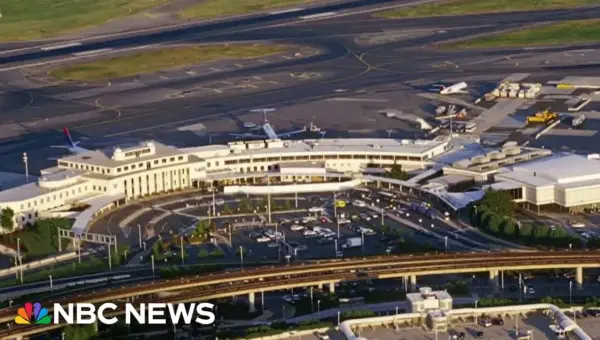
Pilots at Washington D.C.'s Reagan National Airport were heard meowing and barking over the air traffic control radio, prompting a reminder from controllers to be professional. The FAA is investigating the incident, which some experts are calling "outrageous" and "juvenile." The behavior potentially violates the "sterile cockpit rule," which requires strict professionalism during flight operations.


Pilot Lands Small Plane on Phoenix Street, Saves Lives
A small plane made an emergency landing on a busy downtown Phoenix street Tuesday after suffering engine failure. The pilot skillfully navigated the aircraft around cars and pedestrians, bringing it down safely with only a collision with a fire hydrant. Both passengers were uninjured and praised the pilot's heroic actions.


Cape Air Plane Doors Open Mid-Flight, Returns Safely
A Cape Air flight from Nantucket to Boston was forced to return to the airport shortly after takeoff on Tuesday when its cabin door unexpectedly opened mid-flight. The Britten-Norman Islander aircraft landed safely, and no injuries were reported among the passengers or crew. The airline is currently investigating the cause of the malfunction.