US Blockade Cripples Iran’s Sea Trade, Peace Talks Loom
The U.S. military has announced it has nearly stopped all sea trade into and out of Iran, a move that impacts 90% of Iran's economy. Meanwhile, President Trump is eyeing Pakistan as a location for potential U.S.-Iran peace talks, though significant disagreements remain on issues like uranium enrichment. Separate talks between Israel and Lebanon failed to secure a ceasefire.

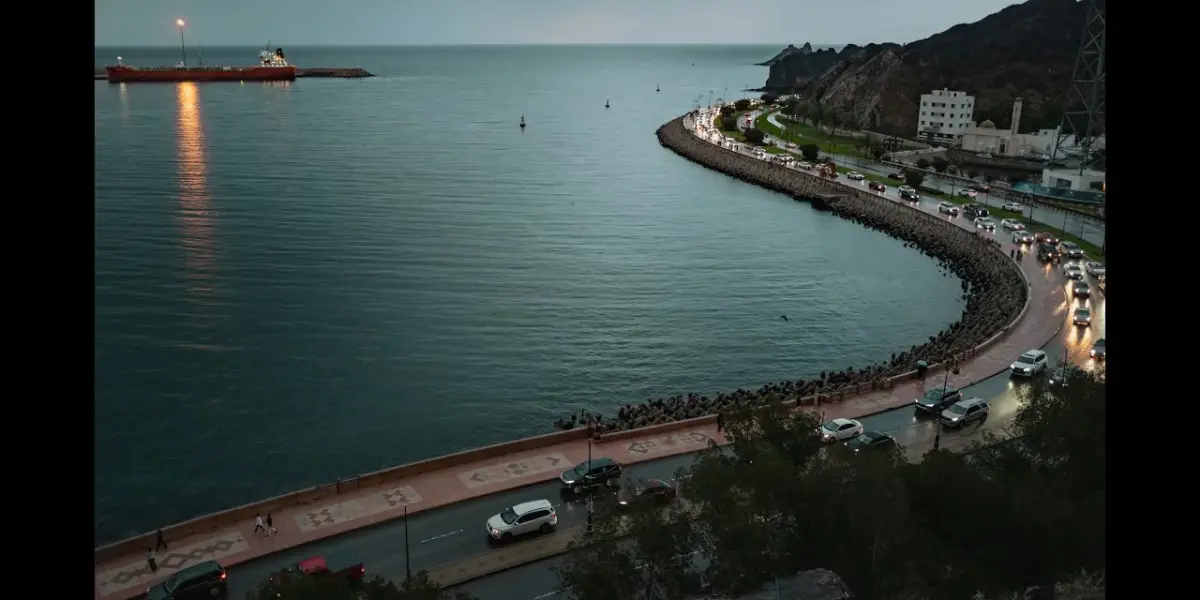
US Claims Near-Total Blockade of Iranian Sea Trade
The U.S. military has announced a significant achievement in its efforts to pressure Iran. U.S. Central Command reports that it has nearly completely halted all economic trade moving by sea into and out of Iran.
This operation, launched recently, reportedly stopped almost all maritime traffic within 36 hours. U.S. Navy guided missile destroyers, crewed by over 300 trained sailors each, are enforcing this blockade.
Commander Brad Cooper stated that about 90% of Iran’s economy relies on international trade conducted by sea. This makes the blockade a powerful tool. The aim appears to be to isolate Iran economically and force its hand in diplomatic or security matters.
U.S.-Iran Peace Talks Eyed for Pakistan
Amidst this economic pressure, President Trump has indicated that new discussions with Iran could happen very soon. He suggested Pakistan’s capital, Islamabad, as the likely location for these peace talks. The President specifically praised Pakistan’s military leadership, including Field Marshal Asim Munir, for their strong influence.
President Trump mentioned building a relationship with the Pakistani army chief during a past conflict between Pakistan and India. This historical connection might be a factor in choosing Pakistan as a venue for sensitive diplomatic talks. However, the President confirmed he would not personally attend these meetings, and the specific attendees from both sides remain undisclosed.
Disagreements Cloud Uranium Enrichment Talks
Reports about a potential proposal allowing Iran to resume uranium enrichment after 20 years have been rejected by President Trump. He insists that Iran should not gain any advantage from such an agreement. Analysts, however, warn that any temporary limits on enrichment could make it hard to ensure Iran follows the rules.
Iranian officials have also stated that ending uranium enrichment is not something they are willing to discuss. This disagreement highlights a major hurdle in any potential peace deal, as nuclear capabilities remain a sensitive and critical issue for international security.
Israel-Lebanon Talks Yield No Ceasefire
Separately, Secretary of State Marco Rubio hosted ambassadors from Israel and Lebanon for direct talks in Washington. These discussions occurred while Israel was conducting military operations in southern Lebanon. Both sides described the meetings as constructive, but they did not result in a ceasefire agreement.
The State Department confirmed that all parties agreed to start direct negotiations at a future time and place that works for everyone. Secretary Rubio noted that these talks go beyond just a ceasefire; they also aim to reduce the influence of Hezbollah, a group the U.S. considers a terrorist organization with ties to Iran.
Humanitarian Impact and Future Outlook
The conflict has had a severe impact on Lebanon. The country’s health ministry reports that over 2,100 people have been killed, and about 1 million people have been displaced by recent Israeli strikes. Israel has stated that displaced residents will not be allowed to return to southern Lebanon until the area is fully demilitarized, meaning all weapons and military presence are removed.
As these diplomatic efforts and military actions continue, the situation remains tense. The coming days and weeks will show if these moments of pressure and negotiation can lead to a more stable period in the region.
Why This Matters
The U.S. military’s successful blockade of Iranian sea trade has a direct and significant impact on Iran’s economy. By cutting off about 90% of its trade, the U.S. is applying immense pressure.
This could influence Iran’s willingness to negotiate on various issues, from its nuclear program to regional security. It shows how economic tools can be used as a major part of foreign policy and international diplomacy.
The potential for U.S.-Iran peace talks, even if indirect and mediated by a third country like Pakistan, signals a possible shift. After years of tension, any direct communication, however limited, is a step.
However, the deep disagreements over issues like uranium enrichment suggest that reaching a comprehensive peace deal will be extremely challenging. The outcome of these talks could reshape regional stability.
Implications, Trends, and Future Outlook
The U.S. strategy of using economic pressure, like the sea blockade, is a continuing trend in international relations. Nations are increasingly using financial and trade restrictions to achieve foreign policy goals without direct military conflict. This approach is seen as less costly in terms of human lives but can have devastating effects on civilian populations and economies.
For the Middle East, the ongoing conflict between Israel and Lebanon, and the U.S. involvement in Iran, are critical factors. The talks hosted by Secretary Rubio highlight the complex web of alliances and rivalries in the region. Reducing Hezbollah’s influence is a key U.S. and Israeli objective, and its success or failure will have broad implications for regional security.
The future outlook is uncertain. The success of the blockade depends on Iran’s ability to withstand economic hardship and its government’s willingness to concede. The peace talks with Iran, if they occur, will face major obstacles, particularly regarding the nuclear issue.
The situation in Lebanon also remains volatile, with humanitarian concerns and security challenges ongoing. The next steps in these diplomatic and military arenas will be closely watched by global powers and regional actors alike.
Historical Context
U.S.-Iran relations have been strained for decades, particularly since the 1979 Iranian Revolution. The U.S. has long been concerned about Iran’s nuclear program and its support for various groups in the Middle East.
Past U.S. administrations have employed various forms of sanctions and diplomatic pressure. The current blockade represents an escalation of these economic measures.
The involvement of Pakistan as a potential mediator is also noteworthy. Pakistan has historically maintained complex relationships with both the U.S. and Iran. Its role in facilitating peace talks could be significant, drawing on its regional influence and diplomatic history, especially its past involvement in brokering peace deals.
The conflict between Israel and Lebanon has a long and tragic history, often involving non-state actors like Hezbollah. U.S. policy has consistently supported Israel’s security while also seeking to manage regional conflicts. The efforts to demilitarize southern Lebanon and reduce Hezbollah’s power are part of a long-standing strategy to create a more secure environment for Israel and its neighbors.
Source: US Military Says It Has Completely Halted Economic Trade Into and Out of Iran by Sea (YouTube)

Related Articles

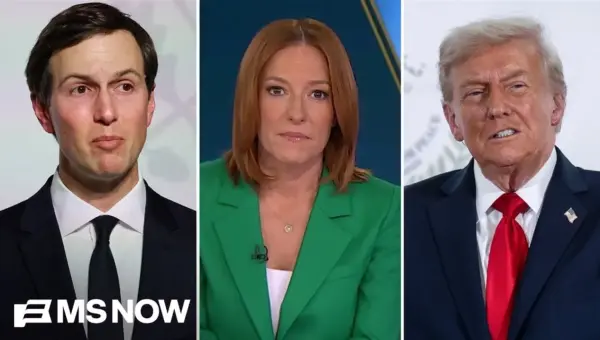
Kushner, Witkoff Conflicts Cast Shadow on US-Iran Talks
President Trump's repeated claims that the war with Iran is nearly over are met with skepticism, especially as Iran threatens to block vital shipping lanes. Concerns are mounting over potential conflicts of interest involving key U.S. negotiators like Jared Kushner and Steve Witkoff, whose business dealings have financial ties to nations involved in the talks. The article questions whether past diplomatic opportunities were missed, leaving the fate of U.S. troops in the region uncertain.
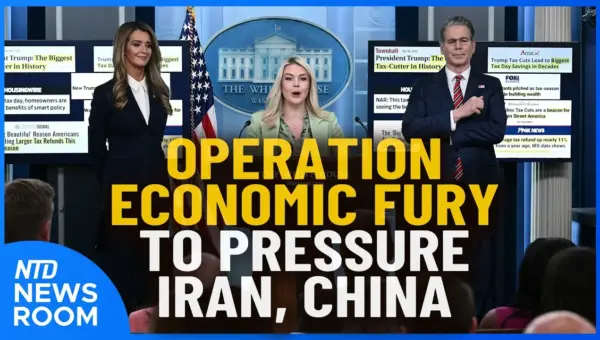
US Tightens Grip: Economic Fury Targets Iran, China
The U.S. is intensifying its pressure on Iran with an economic blockade of its ports, aiming to cripple the regime's economy and impact China's oil access. Meanwhile, Tax Day discussions highlighted recent tax cuts and economic policies. On Capitol Hill, a controversial spy bill faces debate, while a DOJ report alleges the targeting of pro-life activists.
US Blockade Cripples Iran’s Sea Trade
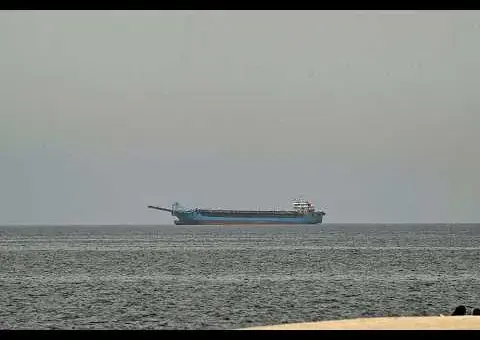
The U.S. military has implemented a blockade of Iranian ports, halting all ship traffic. This move, ordered by President Trump after failed talks, aims to cripple Iran's sea trade and exert economic pressure.